

- Key Takeaways
- Why Does Summer Anxiety Hit New Hair System Clients So Hard?
- The Ultimate Summer Consultation Checklist: Questions Your Clients Will Ask
- Preventing the Dreaded "Orange Fade": The Science of UV Oxidation
- Activity-Specific Protocols: Pre-Pool vs. Post-Gym Care
- Sourcing the Ultimate Summer Inventory with Newtimes Hair
- The "Summer Emergency Kit" and Travel-Safe Maintenance
- Summer Hair System Care FAQs
The Summer Hair System Care Consultation Guide for New Clients
- Key Takeaways
- Why Does Summer Anxiety Hit New Hair System Clients So Hard?
- The Ultimate Summer Consultation Checklist: Questions Your Clients Will Ask
- Preventing the Dreaded "Orange Fade": The Science of UV Oxidation
- Activity-Specific Protocols: Pre-Pool vs. Post-Gym Care
- Sourcing the Ultimate Summer Inventory with Newtimes Hair
- The "Summer Emergency Kit" and Travel-Safe Maintenance
- Summer Hair System Care FAQs

Summer heat can quickly spark panic in clients wearing hair systems for the first time. They’re worried they’ll sweat their new look right off. This guide works as your salon playbook for keeping hair replacement systems in good shape during hot weather. The goal is to turn that first-time anxiety into real confidence. First step? Choose the right breathable base material for the summer.
Key Takeaways
- Recommend French lace bases for maximum airflow or waterproof ultra-thin skin bases to block sweat.
- Use acrylic tapes for extreme heat and enforce a strict 24-hour curing period for water-based glues.
- Rinse daily sweat with plain water instead of shampooing to prevent dry, brittle hair fibers.
- Apply mineral SPF to the hairline and use UV protectant sprays to prevent brassy color fading.
- Pre-soak hair with fresh water and leave-in conditioner before swimming to block harsh pool chemicals.
- Blow-dry roots on a cool setting immediately after workouts to re-firm weakened adhesive bonds.
Why Does Summer Anxiety Hit New Hair System Clients So Hard?
First-time summer wearers often freak out, worried their hair might just slip off in the heat. As their stylist, you’re their lifestyle concierge. You need to take that fear off the table. It all begins with picking the right base materials—like French lace or skin bases. That choice builds the actual foundation for summer breathability.
The Sweat-Proof Scale: Choosing the Best Breathable Base Material
Not all breathable materials hold up the same when the sun is blazing. Lace is the clear winner for summer airflow.
It works like a screen door, letting body heat escape while allowing cool air to reach the scalp. Polyurethane systems from Newtimes Hair give an incredibly natural look, but they trap heat much faster. It’s kind of like wearing a light windbreaker.
Then there’s monofilament. Mono sits right in the middle, giving you more durability than lace while still offering decent ventilation. If your client works outdoors or sweats a lot, always guide them toward a full lace or a lace-front hybrid.
But even the best base only gets you halfway there. Once the structure is sorted, you still have to secure it. That means choosing the right bonding agents that can actually handle sweat.
Related: Summer Sweat and Hair System
Tape vs. Glue: What is the Best Adhesive for High-Humidity Summer Climates?
Adhesives (tape & glue) react very differently in high heat. Acrylic tapes are extremely tough in extreme temperatures. They move with the scalp and handle heavy sweating without breaking down too fast. That makes them a go-to daily option for active summer clients.
Water-based co-polymer glues need a lot more care. They require a strict 24-hour curing period before the client can sweat or swim. If someone steps into 90-degree humidity too soon, the bond can turn white and fail.
To really prevent slippage, you have to prep the scalp properly and stick to that exact curing window. So how do you explain all this without overwhelming the client? You bring these details straight into the consultation and set clear expectations before they walk out of your chair.
The Ultimate Summer Consultation Checklist: Questions Your Clients Will Ask
Offering professional services means staying one step ahead of seasonal panic before it even starts. A summer consultation is your best way to keep clients feeling confident when the temperature climbs.
So what’s actually on their minds? Start with their biggest worry: how adhesives hold up when it gets seriously hot.
Related: Hair System Maintenance Routines and Essentials
“How Long Does a Hair System Bond Last in 30°C+ Heat?”
“Will my hair fly off at the beach?” You’ll hear this all the time. In 30°C+ heat, a standard four-week hold usually drops to around two weeks. Heat doesn’t just soften the glue; the bigger issue is sweat pushing through the scalp and breaking the bond from underneath.
It’s like trying to stick tape onto a wet, oily window. Hard-hold acrylic tapes give the best security & attachment in extreme conditions, but even they break down faster when they’re constantly soaked.
Remind your clients that getting the most out of a bond means adjusting expectations. They’ll need more frequent touch-ups. And with all that extra sweat breaking down the adhesive, the next obvious issue comes up: keeping the scalp clean.
“How Often Should I Wash My Hair System If I Sweat Daily?”
Your client goes to the gym every day and sweats heavily. Their instinct might be to wash the system every single night. Don’t. That’s a quick way to ruin the hair.
Washing too often strips away moisture, leaving the system dry and brittle. Instead, suggest rinsing the hair with plain water to handle daily sweat. Shampoo should only be used once or twice a week to remove heavier oil build-up.
It’s a bit of a balancing act. Over-washing damages the hair fibers, but ignoring proper care and longevity can lead to early adhesive failure. A good leave-in conditioner can help bring moisture back between washes. Once you’ve handled this internal moisture issue, it’s time to get them ready for the biggest outside threat: the blazing summer sun.
Related: Can You Shower with a Toupee?
Preventing the Dreaded “Orange Fade”: The Science of UV Oxidation
Sun damage kicks off UV oxidation in human hair systems, working just like a slow-motion bleach job. It basically cooks the color molecules right out of the hair. To stop this, your clients need real UV protection. So here’s how to physically shield those delicate hair fibers and the sensitive scalp underneath.
Protecting the Scalp and Hair Fibers from Sun Damage
“Wait, my scalp can get sunburned under my hair?” It can. Many clients forget that UV rays pass straight through breathable lace bases. The result? A sore, red scalp and a weakened adhesive bond. Nobody wants that.
Proper scalp prep is your first line of defense. Before attaching a premium Newtimes Hair system, apply a good skin protector. It works like a primer, forming a barrier that shields the skin while keeping sweat and oils away from the tape.
But what about sunscreen? Spraying regular SPF right onto the roots can turn the adhesive into a sticky mess. Instead, have your clients gently dab a mineral-based SPF along the exposed hairline only. Once the skin is covered, you still need to deal with the hair itself. That means using products made specifically to fight UV color fading.
Color-Depositing Conditioners and Heat Protectant Sprays
Even in the shade, UV rays will eventually oxidize the dye. Remind your clients to lightly mist the system with a dedicated heat protectant spray before heading outside. It coats the hair shaft with a microscopic shield, slowing down that dreaded orange fade.
When the tone eventually turns brassy, it’s time to step in. Suggest a color-depositing conditioner with blue or purple undertones. This helps cancel out those warm orange tones while adding moisture back into the dry fibers. It’s basically a mini toner they can use at home.
Wrap things up with color-safe shampoos and lightweight anti-frizz serums to lock in moisture. Dry hair just fades faster. But daily sun protection is only the starting point. Next, let’s get into handling high-exposure activities like beach days.
Activity-Specific Protocols: Pre-Pool vs. Post-Gym Care
So, how are your clients supposed to deal with intense conditions like heavy humidity without wrecking their hair systems? They need solid, reliable routines. You can’t expect an active wearer to stay all summer indoors. Let’s break down the specific chemical risks in the water and how to deal with them properly.
The Pre-Pool Protocol: Protecting Hair Systems from Chlorine and Saltwater
“Wait, my client can’t go swimming?” Not at all. They absolutely can, but they need to follow the “Rinse Rule.” Pools are basically full of chemicals. Chlorine and saltwater can dry out a hair system almost instantly.
Here’s the key idea: hair works like a sponge. If it’s already soaked, it won’t absorb much else. Before getting in the water, have your client fully saturate their hair system with clean, fresh water. Once it’s soaked, they should apply a good amount of leave-in conditioner.
This forms a barrier. The conditioner works like a raincoat, helping block those harsh chemicals from getting into the fragile hair shaft. Simple.
After swimming, they need to rinse it right away to avoid tangling and dryness. But what if the moisture isn’t from the pool, and instead comes from the wearer’s own sweat during a tough workout?
The Post-Gym Protocol: Managing Sweat, Oil Build-Up, and Scalp Hygiene
People who work out sweat—a lot. That sweat mixes with heat and scalp oils, which can seriously weaken adhesive bonds. If it sits too long, it turns the glue into a messy white residue. Not good.
To prevent that, show your clients a quick reset routine. Right after exercising, they should go to the locker room and use a blow dryer on the cool setting. Blowing cool air at the roots helps dry the sweat and firms the bond back up.
They should also stay on top of cleaning. Have them gently wipe the hairline with a damp cloth and use pH-balanced products to freshen the scalp without breaking down the tape.
In the end, these high-performance routines only work if the base materials can actually handle the pressure. That’s exactly why choosing a premium, breathable unit from Newtimes Hair keeps your active clients coming back.
Sourcing the Ultimate Summer Inventory with Newtimes Hair
Want to keep your active clients happy when the heat index climbs? You’ll need the right summer inventory on your shelves. Newtimes Hair is your go-to manufacturing partner for breathable, heat-ready systems. And our hair system training makes sure your stylists know exactly how to install them. Here’s a closer look at the bases that really hold up in heavy humidity.
French Lace and Ultra-Thin Skin: The Newtimes Hair Summer Standards
When the sun is blazing, your clients want materials that either breathe well or keep sweat out.
Think of our Swiss/French/HD/full lace like a tiny mosquito net for the scalp. It has breathable hexagonal holes that let heat escape right away. The result? A cool, comfortable head.
- Comfort: Maximum airflow.
- Longevity: Usually lasts 1 to 3 months.
Then there are skin bases. Our clear poly / PU / polyurethane skin is made by brushing liquid polymer onto a flat surface until it dries. It’s fully waterproof. Sweat won’t seep through or damage the knots. Go for our 0.06mm skin systems to get all your active clients’ summer sports and swimming sorted.
- Comfort: Blends right into the scalp.
- Longevity: Very easy to clean and re-tape.
Stocking these units is only the beginning. Next, you’ll want to show clients how to keep their systems looking great while they’re off enjoying their summer trips.
-
Product on sale
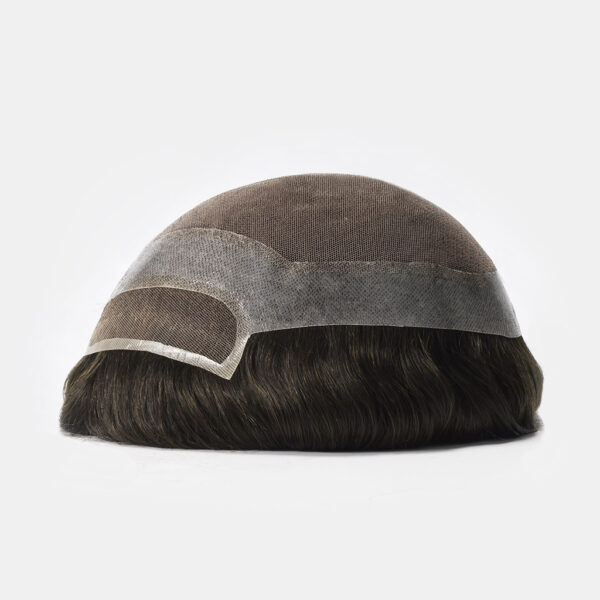 HOLLYWOOD-S Hair Systems for Men with Thin Skin Perimeter and a Realistic Lace Front
 -
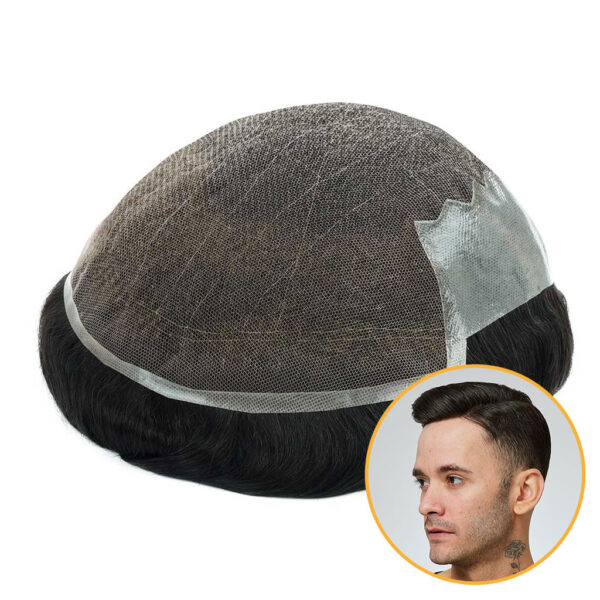 BESPOKE LIMITED EDITION N6 Swiss Lace Men’s Hair System With PU Sides and back
 -
Product on sale
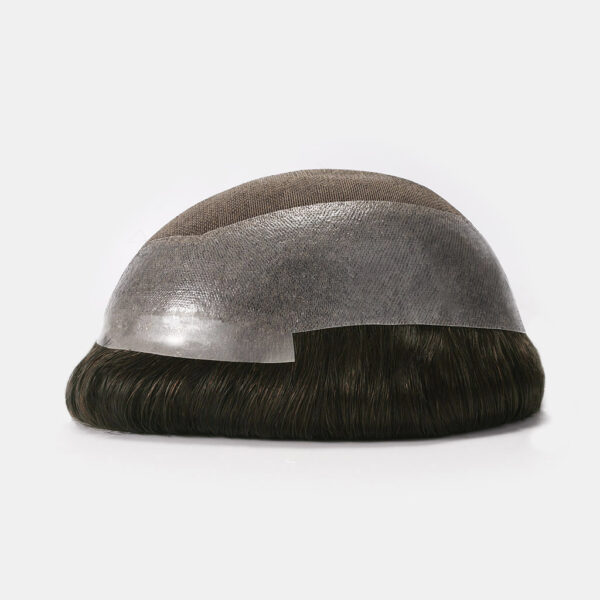 NEW AUSTRALIA French Lace Hair System Toupee With a Wider PU Perimeter
 -
Product on sale
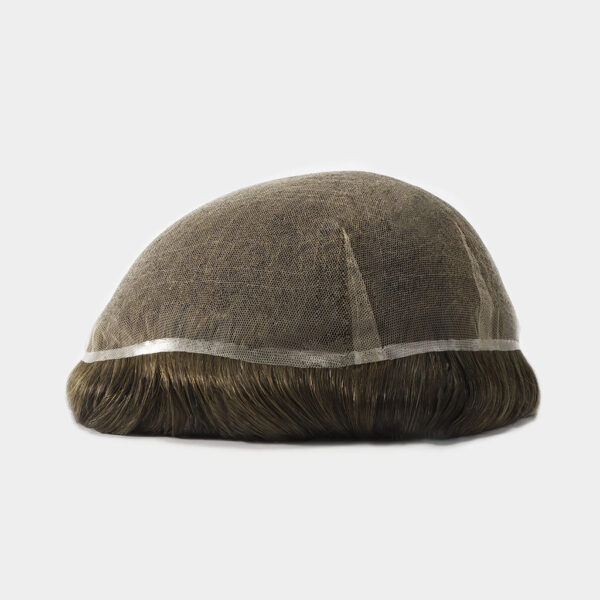 SUNNY Full Swiss Lace Hair System Wholesale
 -
Product on sale
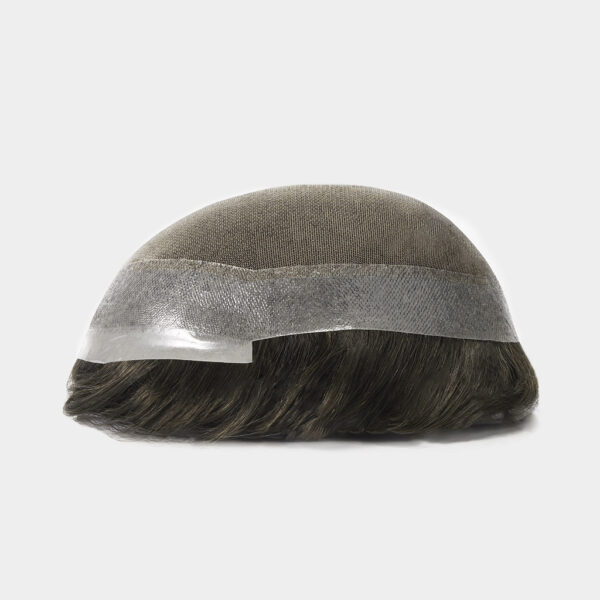 AUSTRALIA Men’s Lace Hair System With PU Perimeter Wholesale
 -
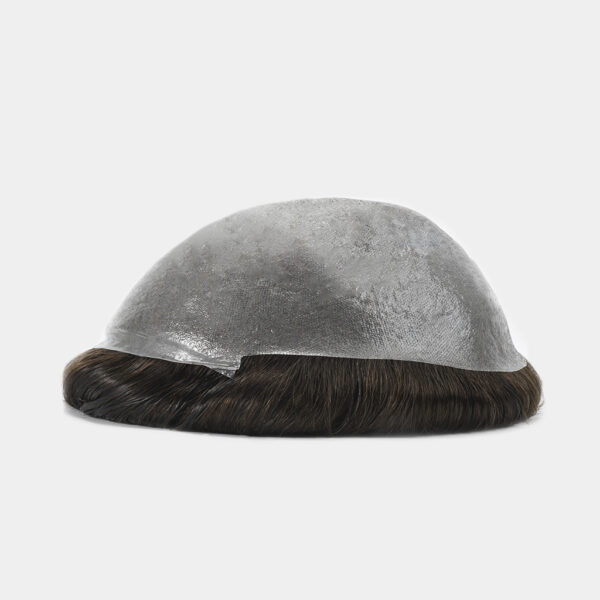 HS1V V-Loop Men’s Hair System 0.06 mm Poly Thin Skin Hair Pieces for Men
The “Summer Emergency Kit” and Travel-Safe Maintenance
Got clients heading to the beach this season? Don’t let them leave without the right Maintenance Products.
Selling travel-size essentials is a big retail opportunity for your salon. It also helps keep their hair system secure in hot climates. Here’s what goes into a travel-safe summer survival kit.
Packing a TSA-Approved Summer Survival Kit for Clients
So what should be in this kit? Keep everything under 3.4 ounces so your clients can move through airport security with no hassle.
First, add a mini bottle of C-22 solvent. It’s the gold standard for quick, safe cleanups if the hairline lifts after a sweaty hike. Next, toss in a travel-sized Ghost Bond XL. Think of it like a spare tire—having a reliable mini-adhesive gives your client real peace of mind.
Then, bring in the friction fighters. Let your clients know that cheap hotel pillowcases can rough up human hair fast. Sleeping on silk sheets or using a protective silk pillowcase helps prevent tangles and keeps moisture in. Nobody wants vacation bedhead!
Do your wearers still have a few concerns before their big flight? We’ll cover them in the final quick-reference FAQ section.