



- How Do Toupees Stay On With Tape, Glue, Clips, and Base Design?
- How Long Does a Toupee Stay On?
- Do Toupees Come Off Every Night?
- Can You Shower With a Toupee?
- System Maintenance Keeps the Hair System Secure
- What to Do When Your Toupee Is Getting Loose
- Toupee Base Types: Skin, Lace, Mono, and Hybrid Hair Systems
- Toupees, Wig Options, and Hairpiece Terms Explained
- How Much Do Toupees Cost?
- How Do Toupees Stay On Reddit Discussions Get Right and Wrong?
- Final Thought
- About the Author
- FAQs
How Do Toupees Stay On? Do Toupees Fall off? What to Do If It Doesn’t Stick Anymore?
- How Do Toupees Stay On With Tape, Glue, Clips, and Base Design?
- How Long Does a Toupee Stay On?
- Do Toupees Come Off Every Night?
- Can You Shower With a Toupee?
- System Maintenance Keeps the Hair System Secure
- What to Do When Your Toupee Is Getting Loose
- Toupee Base Types: Skin, Lace, Mono, and Hybrid Hair Systems
- Toupees, Wig Options, and Hairpiece Terms Explained
- How Much Do Toupees Cost?
- How Do Toupees Stay On Reddit Discussions Get Right and Wrong?
- Final Thought
- About the Author
- FAQs
How do toupees stay on?
Short answer: A toupee stays on with tape, glue, clips, or a combination of attachment methods. If the scalp is clean, the base fits, and the adhesive matches the wearer’s life, it should not fall off during normal daily wear.
That is the practical answer. The emotional answer is a little different.
Most men do not ask this question because they love attachment chemistry. They ask because they are picturing the worst possible moment: wind, sweat, a shower, someone touching their head, and then public disaster.
Fair fear. Nobody wants their hairpiece to start a scene.
A modern toupee is not designed to behave like a cheap costume wig. A good hair system is usually made with a thin base and with human hair attached to blend perfectly with the client’s bio hair. It requires proper attachment and regular system maintenance to keep the hair looking realistic on the person’s head. And you or your client don’t have to think about it every five minutes.
How Do Toupees Stay On With Tape, Glue, Clips, and Base Design?
Short answer: Toupees stay on by attaching the toupee base to the scalp, existing hair, or both. The main methods are system or toupee tape, liquid glue, and clips. Some stylists also combine both bonding methods to get the best outcome.
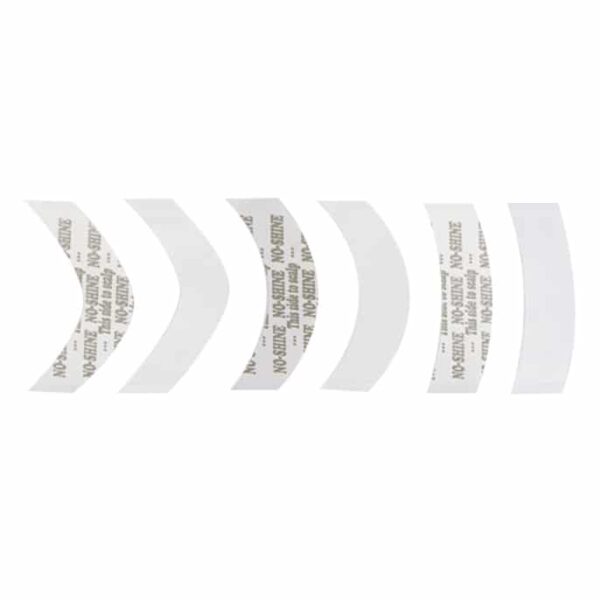
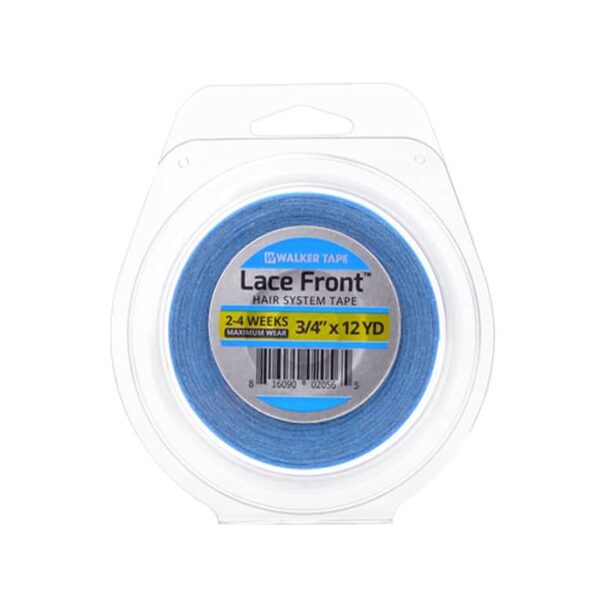
Tape is usually the clean, simple option. Glue gives a flatter front edge. Clips work only when the wearer still has enough strong hair to hold them. The base decides how all of this feels against the head.
That last part matters more than beginners think.
A skin base bonds differently from lace. A mono base feels different from a hybrid hair system. Afro texture, density, hair direction, gray percentage, and base hair construction all change the result. This is why one man can love a certain setup while another man hates it by Thursday.
The better question is not, “What is the strongest glue?”
The better question is, “What attachment method fits my scalp, sweat, base, lifestyle, and maintenance habits?” Less dramatic. Much smarter.
Tape Is the Clean, Practical Choice
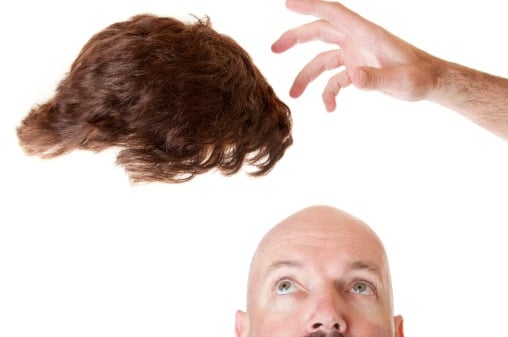
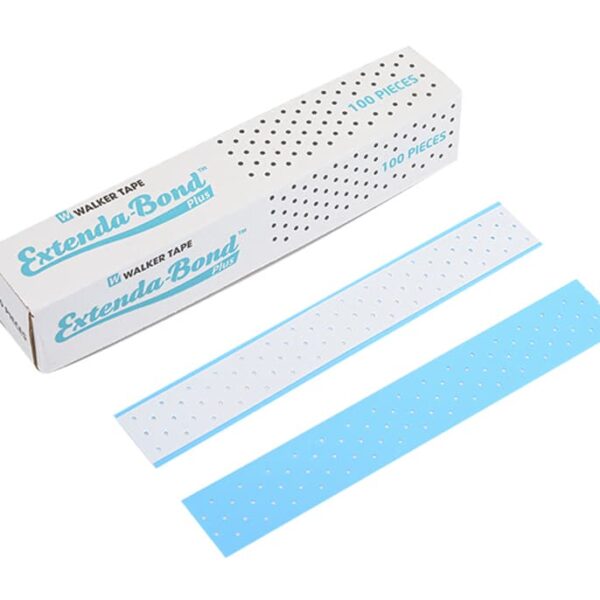
Short answer: Tape is often the easiest way to attach a toupee because it is clean, predictable, and easier to remove than many liquid adhesives.
For a new wearer, tape feels less intimidating. Peel it. Place it. Press it down. Get on with your day. No glue brush. No drying layers. No sticky sink that looks like a small accident happened.
Tape can work around the sides and back of many hair systems. Some men also use tape near the front, though glue is often chosen when the hairline needs to look very flat.
Still, tape is not magic. Heavy sweat, oily skin, hot weather, and poor prep can shorten the hold. If the installation area is not clean and dry, even good tape starts acting average.
Glue Gives a Flatter Hairline
Short answer: Glue is usually chosen when the wearer wants a flatter, more natural front hairline and a stronger bonded feel.
Glue can make a toupee look less like a hairpiece and more like hair growing from the scalp. That is why many stylists use it at the front.
But glue is picky. The scalp has to be clean. The layer should be thin. It needs time to dry. Too much glue creates buildup. Too little can lift early. Wrong glue for the wearer’s skin or climate? That can get annoying fast.
For many men, the sweet spot is glue at the front and tape around the sides and back. Natural-looking where it matters most. Easier cleanup everywhere else.
Clips Work Only for the Right Wearer
Short answer: Clips can attach a hair piece to existing hair, but they only work well when the surrounding hair is strong enough to hold them safely.
A clip-in setup can be useful for some hair pieces. It can also be a bad idea for men whose natural hair is already thin or fragile.
If the clip pulls on weak hair, it can feel uncomfortable and make thinning worse. It may also feel bulkier than tape or glue.
For men with advanced hair loss, bonded hair systems usually make more sense. They sit flatter, feel more secure, and do not ask tired hair to do heavy lifting.
How Long Does a Toupee Stay On?
Short answer: A toupee can stay on for a few days to several weeks. Most systems stay secure for days before cleaning and reattachment, while stronger tape or glue bonds often last about two to four weeks.
Some adhesives can last longer. Newtimes Hair’s original article says a glue-on hair toupee usually stays securely on the head for about three to four weeks before full removal and reattachment. Hims gives a broader adhesive range of three to six weeks. HairClub also points out that wear time depends on adhesive type, body chemistry, climate, and activity level.
All useful. But here is the part people need to hear.
Longer is not always better.
If the scalp is itchy, oily, red, or full of old glue, stretching the wear time is not a win. It is just delayed maintenance with better marketing. Scalp health matters more than bragging that a bond lasted six weeks.
How Long Does a Glued Toupee Last?
Short answer: A glued toupee usually lasts around two to four weeks before it needs removal, cleaning, and reattachment, though real wear time depends on the wearer.
A man who sits in an office, has a dry scalp, and does not sweat much may get a longer hold time. A man who trains hard, works outside, or lives somewhere humid may need weekly edge checks.
Same glue. Different life.
This is why salons should be careful with promises. People want a neat number. Scalps are not neat. Sweat, oil, shower habits, base material, and proper application all change the answer.

Do Toupees Come Off Every Night?
Short answer: Most bonded toupees do not come off every night. Daily-wear systems may be removed before bed, but stronger tape and glue attachments are designed to stay on while sleeping.
If a wearer uses light tape, clips, or a removable wig-style setup, taking it off nightly can be normal. If he uses stronger tape or glue, your hair system will stay fixed in place whilst you are sleeping.
That does not mean sleep cannot mess with the bond.
Do not sleep with soaking wet hair. Do not grind your head into a rough pillowcase like you are trying to sand down a table. A silk or satin pillowcase can reduce friction. Small thing. Worth doing.
The front edge is the area to watch. If it starts lifting, fix it early. A tiny lift is a small maintenance moment. A neglected lift becomes a whole little crisis.
Can You Shower With a Toupee?
Short answer: Yes, you can shower with a toupee if it is properly bonded. Use lukewarm water, wash gently, and keep heavy conditioner away from the base and adhesive area.
Water is not the enemy. Bad shower habits are.
Hot water can soften tape and glue. Rough scrubbing can loosen the base. Heavy conditioner near the attachment area can make the hold slippery faster than expected.
Wash in the direction of the hair. Pat dry. Do not attack the hair system with a towel like it owes you money.
After a fresh install, many stylists recommend waiting at least 24 hours before a full shower. The bond needs time to settle. Annoying? Yes. Better than early lifting? Also yes.
Sweat, Swimming, and Weather Matter
Short answer: Sweat, swimming, chlorine, salt water, and humidity can all shorten toupee wear time, even when the hair system is attached correctly.
This does not mean the toupee is bad. It means the wearer’s life is harder on the bond.
A gym-heavy wearer may need a scalp protector, stronger tape, a different glue, or more frequent maintenance. A wearer in a dry office may be fine with a simpler routine.
For Newtimes Hair’s professional buyers, this is the part that keeps clients happy after week one. Salons are not just selling a unit. They are matching a real person to a real attachment routine.
Refer to our related post: Can You Shower with a Toupee
System Maintenance Keeps the Hair System Secure
Short answer: System maintenance keeps a toupee secure by removing oil, sweat, old glue, dead skin, and residue before they weaken the bond.
This is not glamorous. It is also not optional.
The cleaner the scalp and base, the better the hold. The more buildup under the toupee base, the faster tape and glue start getting weird.
A simple routine usually works best: remove old adhesive carefully, clean the scalp, clean the base, let everything dry, and reattach with the right product for the wearer’s skin and lifestyle.
A good hair replacement routine is not complicated. It is just easy to ignore. That is the problem.
Check out our hair system maintenance guide.
The Installation Area Has to Be Clean
Short answer: The installation area should be clean, dry, oil-free, and shaved if needed so tape or glue bonds to skin instead of stubble or residue.
Stubble creates uneven contact. Oil breaks down adhesive. Old glue leaves residue. Conditioner near the base can weaken the hold.
Also, some new replacement systems should be cleaned before the first installation. A unit may leave production with conditioning residue so the hair looks smooth. That is good for appearance. Not always good for bonding.
If nobody cleans the base, the adhesive may not grip well. Then the wearer says, “This hairpiece is defective.” Maybe. Or maybe the prep was defective.
Rubbing alcohol is an effective tool in dissolving and removing dirt, oils, and other debris that will interfere with your hairpiece.
Here we recommend you use 99% high-concentration rubbing alcohol, which contains less water than the lower one; thus, it can dissolve oils and other residues more quickly and extensively.
Ensure the scalp is nicely cleaned with rubbing alcohol— use your fingers to rub the shaved area to make sure the oils are dissolved and then dry it with a towel. If necessary, repeat this step several times to ensure the cleanness of the scalp.
Then leave the scalp to dry, or you can use a blow dryer to dry the scalp.
NOTE: The drier and cleaner the scalp, the more secure the toupee sticks to the scalp.
Except for the scalp, the cleanness of the hair system is also necessary. If you are going to install a completely new toupee, we suggest you shampoo it and clean it with alcohol; otherwise, you may find the hair system does not stick—as most hair systems will go through a special production process called “grease conditioning” in the production to make the hair system look more natural and lustrous.
What to Do When Your Toupee Is Getting Loose
A toupee will eventually get loose for various reasons. When that happens, all you need is a touch-up or a reattaching.
Reattaching Loose Hair Toupee
Adhesives do not last forever; even if you choose a reinforced one, the hair toupee will still get loose over time.
Especially when it often gets wet from water, rain, or sweat, the adhesives can weaken.
However, your hair toupee will feel loose long before the adhesive fails.
If you notice part of the edge getting loose, take some time to properly attach the loose part with tape or glue.
This will ensure the secure fit of your hair toupee on the scalp and help you rest assured it will not fall off, so you can make it stay longer on your scalp before you go to your hairstylist.
Removing and Reattaching Hair Systems
For a glue-on hair toupee, it typically needs to be removed, completely cleaned, and reattached every three to four weeks.
You will need to dissolve the adhesives with C-22 adhesive solvent and peel it off completely from the scalp and the hair system, prepare your scalp again, and finally reattach the hair toupee to the scalp.
For the complete process, you can check out our guide Hair System Removal and Scalp Cleaning.
*In case a hair system gets destroyed for improper ways to remove, for personal wearers, we suggest you ask for help from professionals if possible.
Toupee Base Types: Skin, Lace, Mono, and Hybrid Hair Systems
Short answer: The toupee base affects how the system attaches, breathes, cleans, and feels. Skin, lace, mono, and hybrid bases each suit different wearers and routines.
A skin base is smooth and bonds closely. It is usually easy to clean and works well with tape or glue.
A lace base is breathable and can create a natural front hairline, but adhesive cleanup takes more care.
A mono base is stronger and often suits men who want durability.
A hybrid hair system combines materials. For example, lace in the front can help the hairline look natural, while poly around the sides can make bonding and cleanup easier.
This is also where details like Afro texture, gray percentage, density, hair direction, and base hair construction matter. Too much hair can look fake. A hairline that is too perfect can look fake. A density that belongs on a 19-year-old can look ridiculous on a 52-year-old man.
Nature is imperfect. Good hair replacement respects that.
Toupees, Wig Options, and Hairpiece Terms Explained
Short answer: A toupee is usually a smaller hairpiece for men, a wig usually covers the whole head, and a hair system is a broader term for modern hair replacement products.
People use these words loosely. That is why the conversation gets messy.
Old-school “toupee” can sound fake to some buyers. “Hair system” sounds more modern. “Hairpiece” is clear but broad. “Wig” usually suggests full-head coverage, though some people use wig and toupee as if they mean the same thing.
The label matters less than the result.
A good toupee should match the wearer’s real hair color, density, texture, and style. It should sit naturally on the head. It should not announce itself from across the room.
How Much Do Toupees Cost?
Short answer: Toupees can cost under $100 for basic pieces or several thousand dollars for custom hair replacement with professional installation, supplies, and maintenance.
The real cost is not just the unit. That is where many first-time buyers fool themselves.
A serious budget includes the toupee, install, cut-in, tape, glue, solvent, scalp protector, shampoo, conditioner, and future maintenance.
Here is the practical view:
How Much Does a Toupee Cost for Men at Newtimes Hair?
Short answer: Newtimes Hair pricing depends on stock vs custom systems, base type, hair type, density, size, order quantity, and the buyer’s service needs.
Newtimes Hair supplies men’s hair systems, wigs, hair pieces, replacement products, and supplies for salons, wholesalers, and hair replacement professionals.
Stock systems are faster and easier to source. Custom systems can match the wearer more closely, especially when he needs a special base size, gray percentage, Afro curl, density, or hair direction.
So the better question is not only, “How much does a toupee cost for men?”
The better question is, “What setup will still look believable after install, wear, showering, cleaning, and reattachment?”
That question saves money. It also saves embarrassment, which is harder to price.
How Do Toupees Stay On Reddit Discussions Get Right and Wrong?
Short answer: Reddit-style discussions often get the fear right, but one bad experience with glue, tape, fit, or maintenance does not prove all toupees are unreliable.
Men want to know the real-life stuff. Can I shower? Can I sleep? Can someone touch my head? Will sweat ruin it? Will dating get awkward?
Fair questions.
Where online threads go wrong is when one bad setup becomes the whole truth. A bad wig, wrong glue, dirty scalp, weak tape, poor base choice, or lazy maintenance does not mean all toupees are bad.
It means that the setup was bad.
A properly fitted hair system should not feel like a secret emergency sitting on your head. It should feel secure enough that you stop thinking about it.
Not perfection. Peace.
Final Thought
The best toupee is not the one with the strongest-sounding adhesive; it is the one the wearer can live in, maintain, and stop worrying about.
A toupee stays on because the whole setup works together.
The base fits. The scalp is clean. The tape or glue matches the wearer. The maintenance routine is not ignored. The style looks believable.
That is it.
No magic. No panic. No movie-scene disaster.
For most men, the best hair system is not the one that sounds most advanced. It is the one they can wear, clean, reattach, and forget about for a while. That is the point of good hair replacement: less drama on the head, more room to live your actual life.
About the Author

Julia Griffiths is an experienced hairstylist, barber, educator, and specialist in men’s hair replacement. She is the founder of Crosscuts Barbers, a business she has operated for more than 23 years, and Hair Revival Training, which provides CPD-accredited men’s hair system courses for hair professionals. Drawing on decades of practical salon and teaching experience, Julia contributes trusted, real-world insights as an author and reviewer for Newtimes Hair.