



- Why Do Wigs Slip During Workouts? The Truth About Secure Fit
- How to Prep Your Scalp and Wig Cap Before a Workout
- Keeping Wigs Secure During Activities: Securing Methods Salons Swear By
- How to Choose Workout Wigs that Don't Fight Back
- How to Protect a Wig While Working Out (so It Lasts)
- How to Secure a Wig When Dancing (Without Looking Stressed)
- Which Is the Best Sweat-Proof Wig Glue, Wig Tape, or Wig Glue Setup for the Gym?
- FAQs
Keeping Wigs Secure During Activities: A Guide to Secure Wigs for Workouts
- Why Do Wigs Slip During Workouts? The Truth About Secure Fit
- How to Prep Your Scalp and Wig Cap Before a Workout
- Keeping Wigs Secure During Activities: Securing Methods Salons Swear By
- How to Choose Workout Wigs that Don't Fight Back
- How to Protect a Wig While Working Out (so It Lasts)
- How to Secure a Wig When Dancing (Without Looking Stressed)
- Which Is the Best Sweat-Proof Wig Glue, Wig Tape, or Wig Glue Setup for the Gym?
- FAQs

If your client is active, then their look can’t be “cute in the mirror and chaotic in motion.” One big jump, and they’ll have to adjust their hair.
This post is a comprehensive guide for salon pros (and the clients whom you coach). All tips provided in this post on keeping wigs secure during activities are from well-known educators. You can use them as a repeatable plan to teach those in your chair.
Why Do Wigs Slip During Workouts? The Truth About Secure Fit
What keeps a human hair wig on the head during exercise? It’s friction. No matter if it’s from the clips or the anti-slip silicone strips. Friction keeps your hair in place. Daniel Alain points out that poor fit is the major cause of slipping, and if someone with total hair loss picks the “wrong type” of wig, the movement will be even harder – unless the cap is made with extra grip like top-grade silicone patches.
The Two Things That Matter Most: Fit + Friction
Here’s how Tracy explains it to a nervous first-time wig wearer:
Fit is the foundation. It means it must fit the head perfectly. If the cap is too loose, surely it will float. It can’t be too tight, either, or it will shift when the scalp gets sweaty. So, to make sure your client can turn, bend, or run, and the wig doesn’t go anywhere, it must be a perfect fit, neither too tight nor too loose.
Friction is created by the “anti-slip” layer. It can be achieved by a smart add-on (line a liner). Newtimes Hair specifically recommends using a wig grip band, a secure-fitting cap, or a silicone-lined patch to reduce shifting.
How to Prep Your Scalp and Wig Cap Before a Workout
You are not installing the hairpiece before the gym. You are preparing it. The goal is to make sure there’s less sweat under the cap, so there will be less sliding and fewer touch-ups mid-set.
Tracy’s rule: prep like you’re going to sweat, even if you think you won’t. Because you will.
- Braid the hair or make a bun flat to the scalp (no bumps).
- Put on a breathable wig cap.
- Add a wig grip if the client is moving a lot.
- Put the wig on using the four-finger rule.
- Do a 10-second shake test at the mirror.
The Four-Finger Rule (so the Hairline Starts at the Right Spot)
If your client has a visible natural hairline, you can place the wig at the hairline and call it a day. But if she is suffering from hair loss, then you will have to help her find where the hairline starts.
Look Good Feel Better (LGFB) teaches the four-finger rule: place your pinky at the brow bone, and your index finger points to where the wig should sit.
That placement tweak can improve wig security fast.
Sweat Control Basics: Liners, Head Wear, and “Don’t Trap Heat”
Wigs.com suggests a simple combo: secure the wig using tape/glue if needed, wash more often if you sweat a lot, and use a liner that absorbs moisture—to help wick sweat away.
They also mention that if working out in a wig feels too hot, a breathable cap or wrap can help. You can also take breaks so the scalp can breathe well. The bottom line is you opt for smarter heat management, not tighter installs. Tight doesn’t always mean secure.
Keeping Wigs Secure During Activities: Securing Methods Salons Swear By
If you or your client is super active, this will be the core of wig security: stack small wins instead of depending on one miracle product.
Activity | Sweat Level | Best Secure Setup | Quick Why |
Jogging / errands | Low | Wig cap + grip | Friction + fit = no drifting |
Weight training | Low–Med | Wig cap + grip + bobby pins (temples/nape) | Grip holds; pins add anchor points |
Yoga / Pilates | Low–Med | Wig cap + wig grip or Headband Wig | Stable during bends; headband is fast |
Spin / cycling | High | Cap + sweatband/headwear + grip | Sweat barrier + friction reduces sliding |
Running / HIIT | High | Grip + tape at hairline | Tape locks the front edge |
Dance class | Med–High | Grip + tape + bobby pins | Layered hold for jumps/turns |
Team sports | High | Glue (thin layers) + melt band + grip | Strong hold for sweat + impact |
Stage / performance | Med–High | Medical tape wrap + pins + wig tape/glue | Theater-style “extra anchor” security |
Wig Grip (and Wig Grips) First: the Easiest “Friction Fix”
If you want a simple upgrade, start here.
A wig grip is basically a friction headband. It helps grab the cap and prevent sliding. Joseph’s Wigs recommends wig grip bands for workouts because they add hold and can also absorb sweat.
HairwareWigs backs the same idea and adds that a secure-fitting cap plus grip band plus optional reinforcement (pins/clips) gives peace of mind.
Tracy loves grips because they’re low drama. No mess. No cure time. Easy for clients who don’t want adhesive.
Wig Tape, Glue, and Wig Glue: When Adhesives Actually Help
Adhesives and tapes can be great. But they must be applied properly. Plus, the adhesive can release under heavy sweat.
Wig tape and wig grip as two of its “quick view” solutions, along with a silicone sheet option, wig cap, wig clips, and bobby pins.
So how shall we choose? For daily wear, glue-less + grip is ideal. But if you want to attend a dance class or exercise in outdoor heat, add tape at key points such as the front hairline, temples, and back. For longer wear, wig glue will help, but it may take longer to cure.
How to Choose Workout Wigs that Don’t Fight Back
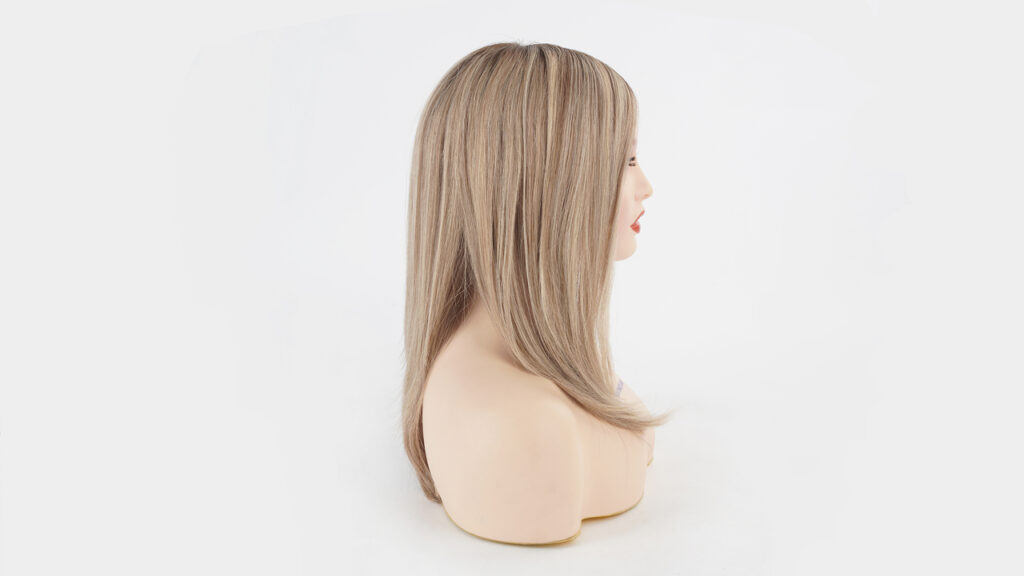
A “gym wig” is not about being cheap. It’s about being practical. Some brands call them “exercise wig.” They basically mean hairpiece, you don’t mind getting more wear and tear, and choosing breathable cap constructions (open-cap or wefted) to improve airflow.
Joseph’s Wigs also highlights breathable caps like open wefts, lace fronts, or monofilament tops for airflow, and says synthetic is often more practical for workouts. Why? It’s lighter, keeps the style secure, and needs less maintenance after a workout.
Breathable Cap Constructions: Lace, Open Weft, and “Don’t Overbuild”
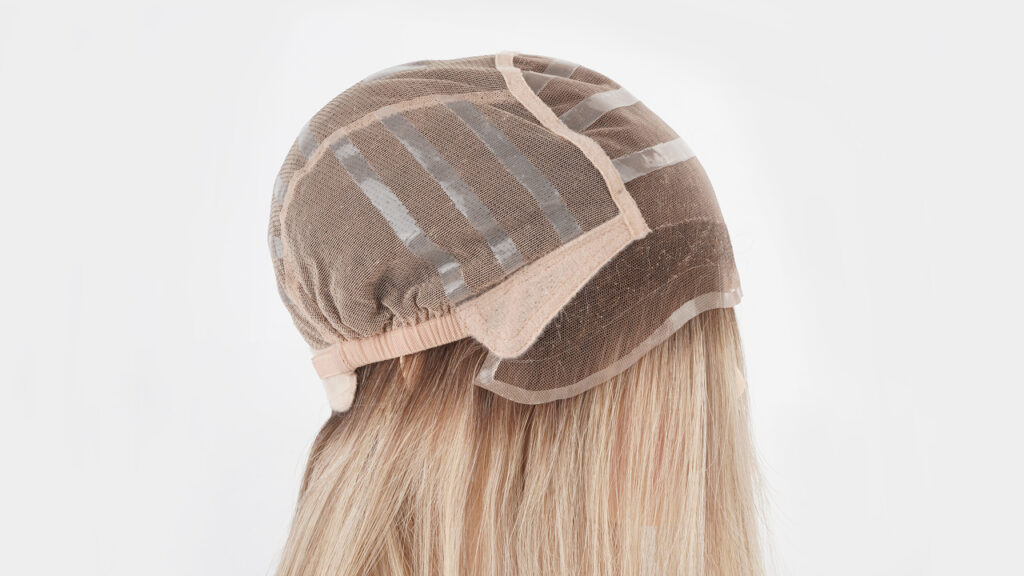
For active clients, cap matters just as much as hair. Open-weft caps help breathe better. Lace fronts can look natural, but if she sweats, she can significantly feel the edge of the hairpiece. So a good fit and airflow reduces the itching and the “hot head” feel.
Most medical wigs are designed clip-less, because their wearers are mainly patients with medical conditions. They want the attachment as simple as possible. Most wigs for sensitive scalp are also out-of-the-box style. And for total hair loss clients, some high-quality caps include silicone patches or anti-slip panels that can grip without glue or tape. They are great for some light movements, such as jogging, light workouts, but not for extreme activities like skydiving.
Headband Wig, Fitness Headband Wig, and Sports Wig Options
If your client is new or wants speed, a Headband Wig can be her first win.
A Fitness Headband Wig (aka a headband-style unit marketed for gym use) has a built-in buffer between sweat and the hairline, ideal for clients who are beginners, and running with a wig or working out with a wig for the first time.
Some salons even label these as sports wig, and for clients who insist on active wigs with human hair, keep this in mind: sweat means more aftercare.
How to Protect a Wig While Working Out (so It Lasts)
This one is simple: create a sweat barrier, then clean correctly.
Wear headwear or a cap, and add a sweatband if sweat is heavy. That keeps sweat off the wig cap and helps protect fibers.
Sweating may mean you wash more often than the usual schedule, and liners can help absorb moisture.
Post-Workout Care: the 5-Minute Reset
Joseph’s Wigs recommends airing the wig out on a stand, using dry shampoo between washes, and not over-washing. Wash around every 12–15 wears (use the “sniff test”).
Tracy’s real talk rule: Sweat isn’t the enemy. Trapped sweat is.
For more details, refer to our related article on protective hairstyles under wigs.

How to Secure a Wig When Dancing (Without Looking Stressed)
Theater people have hacks. And one of them is gold.
The Theater Trick: Medical Tape + Pins (Extra Layer of Security)
Wrap medical tape around the scalp so it sticks to itself (2–3 wraps, not too tight), then pin through the wig into the tape for an extra anchor.
For Tracy, this is the “performance day” move. Not for everyone, but for dance or stage, it’s clutch.
Which Is the Best Sweat-Proof Wig Glue, Wig Tape, or Wig Glue Setup for the Gym?
If your client wants adhesive, here are three names that come up a lot for sweat and humidity:
GHOSTBOND Platinum is marketed as sweat-resistant and humidity-proof, built for warm climates and workouts.
Bold Hold Active is positioned for oily skin and active lifestyles, with humidity- and water-resistant claims.
Ericka J Hold Me Down SPORT lists sweat-resistant and waterproof benefits, plus a quick-drying, matte finish—while recommending a patch test and proper cure time.
In keeping wigs secure during activities, Tracy’s install tip (works across brands): thin layers are key. Let each layer dry tacky/clear, then press and “melt” the lace with a band. And don’t rush the cure—curing at least 24 hours before getting it wet.
Also, remind clients: adhesives can be skin-specific. Oily scalp = shorter hold. Sensitive skin = patch test, always.