


- Human Hair Wigs for Sensitive Scalps Near Me: What Your Client Is Really Asking For
- Best Wigs for Sensitive Scalps: Scalp Sensitivity and Synthetic vs Human Hair Wigs (What Feels Better)
- What Wigs Are Best for Sensitive Scalps?
- What Is the Most Natural Looking Human Hair Wig?
- How to Keep Scalp from Itching Under a Wig?
- How to Make a Wig Not Hurt Your Head?
- Medical Wigs for Alopecia and Cancer Patients: Human Hair Comfort That Sells Itself
- Newtimes Hair Medical Wigs: Made for Salons and Made for Comfort
- About the Author
Human Hair Wigs for Sensitive Scalps: A Newtimes Hair’s Wig & Hair Comfort Guide for a Sensitive Scalp
- Human Hair Wigs for Sensitive Scalps Near Me: What Your Client Is Really Asking For
- Best Wigs for Sensitive Scalps: Scalp Sensitivity and Synthetic vs Human Hair Wigs (What Feels Better)
- What Wigs Are Best for Sensitive Scalps?
- What Is the Most Natural Looking Human Hair Wig?
- How to Keep Scalp from Itching Under a Wig?
- How to Make a Wig Not Hurt Your Head?
- Medical Wigs for Alopecia and Cancer Patients: Human Hair Comfort That Sells Itself
- Newtimes Hair Medical Wigs: Made for Salons and Made for Comfort
- About the Author

Many of your clients may request wigs that are gentle on the scalp and don’t cause irritation. Then you just need to recommend human hair wigs for sensitive scalps.
For clients wearing wigs for the first time, the first week can be overwhelming. Usually, 3 days after the install, the client will go from “I feel amazing” to “Do they know? I can feel this wig on my head. I want to rip it off.” — and it’s not always about how the wig looks. It’s about pressure, new sensations, and the fear that the change happened too quickly.
Treat this post as a playbook for salons and wig studios. It will help you match the right wig to the right scalp. This will keep your clients confident through the period of adjustment, especially when hair loss, alopecia, or medical treatment is part of the story.
And yes, it’ll also introduce wholesale Newtimes Hair wigs that answer to your needs, so you can stock and offer comfort-first options that clients actually want to wear.
Human Hair Wigs for Sensitive Scalps Near Me: What Your Client Is Really Asking For
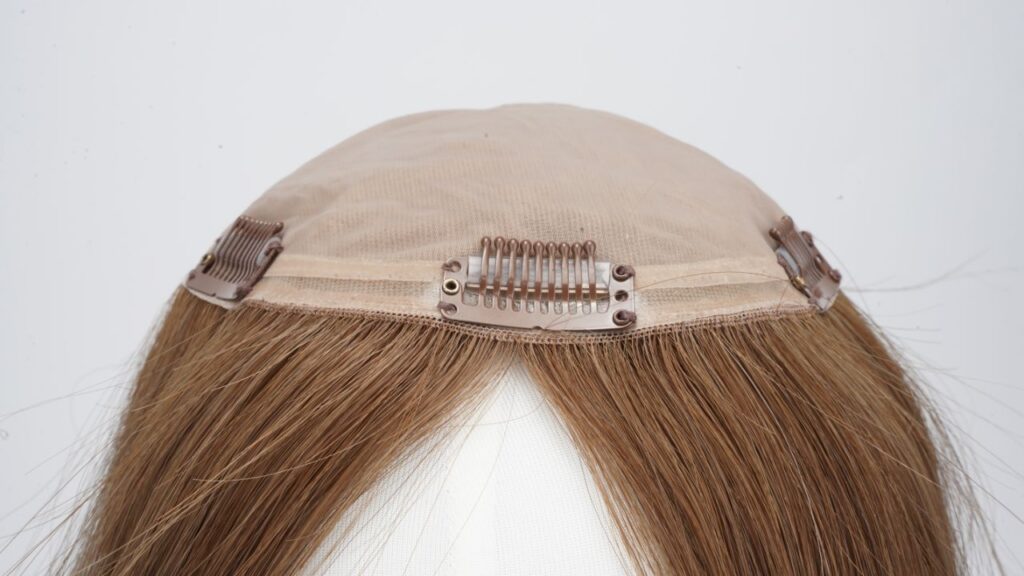
Think about this: when your client types “human hair wigs for sensitive scalps near me,” what does she really want? I’m pretty sure they want a salon or wig store nearby, so if they end up having inflammation on their head, they’d be able to get back to you easily.
Their scalps are probably quite sensitive and could easily get infected, and it’s our job to prevent this from happening. So, we need scalp-friendly bases.
To ensure a comfortable wig-wearing experience, we should use medical wigs or medical-grade wigs (wigs used mainly by those with medical conditions). The combo clients ultimately want is comfort + coverage + confidence.
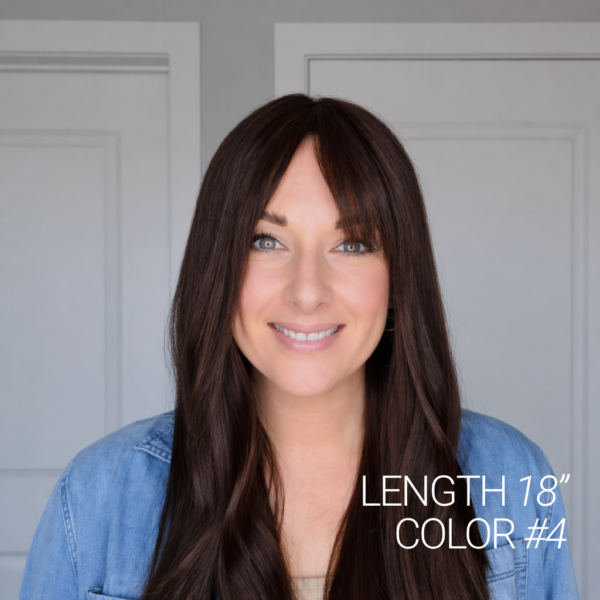
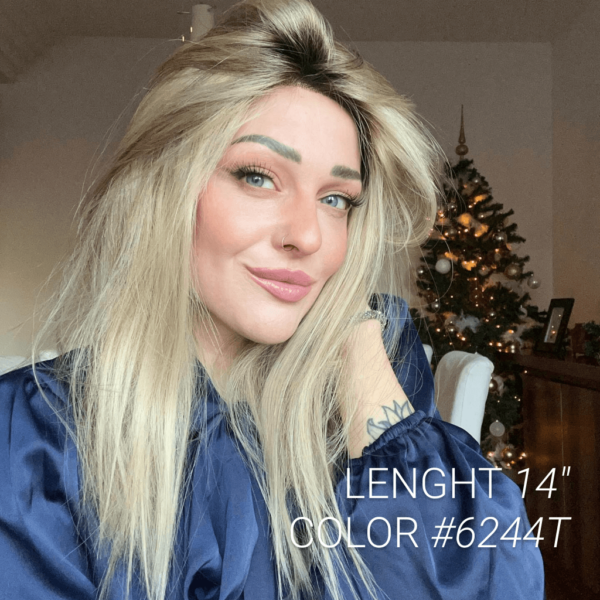
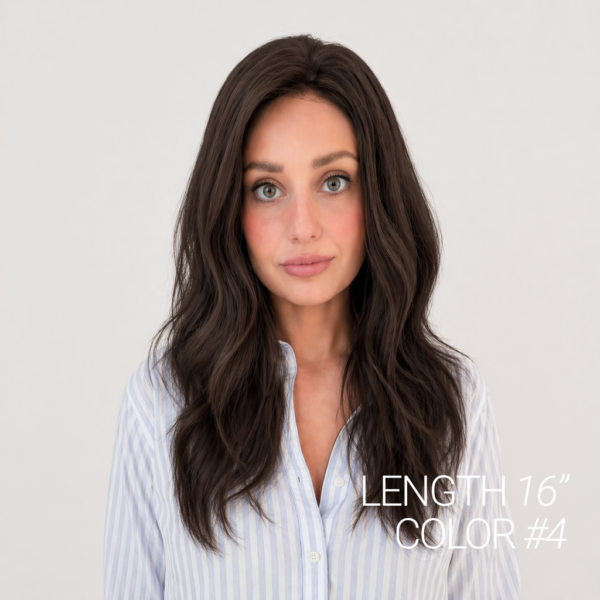
These human hair wigs by Newtimes Hair are specifically made for easy wear and a soft touch on the scalp, particularly ideal for your clients who are experiencing medical conditions like alopecia areata or diffuse thinning over the head. The sizes are easy to adjust to different head shapes. The ear tabs won’t hurt the head.
Read our related post: Keeping Wigs Secure During Activities
Wig Reality Check: the “Do They Know?” Spiral
Here’s a script you can use to help keep your clients cool, so they won’t likely return the wig in panic:
Tell them this: the first week is an adjustment period. Their brain is now meeting a “new mirror version” of them. That alone can spike anxiety, even if the wig looks perfect. However, their friends who see them wear hair wigs won’t go like, “Is that a wig?” They’re thinking, “Wow, you look awesome.”
Pro tip for salons: schedule a quick check-in on day 7. Not a big appointment. Just a “How’s the scalp? Any pressure points? Is it itching?” It reduces drop-offs and builds trust.
Best Wigs for Sensitive Scalps: Scalp Sensitivity and Synthetic vs Human Hair Wigs (What Feels Better)
You surely want to keep your clients happy so you don’t end up getting to many returns. Keep this in mind: wig cap comfort matters just as much as hair quality.
Your competitors may offer both human hair and synthetic hair options for sensitive scalps. But what matters is that comfort, structure, and soft materials of the base might have been their main wins.
Here’s a simple salon-facing comparison:
Client Feels | Better Choice Wigs | Wigs Do |
Heat + sweat triggers itching | Lace or breathable caps | More airflow, less trapped moisture |
"Scratchy" feeling on scalp | Soft-lined cap / plush inner cap | Less friction on sensitive skin |
Most realistic movement | Human hair (esp. quality hair) | Natural drape and styling range |
Easy daily wear on a budget | Some synthetic options | Lower cost, but heat/moisture can be a factor |
Hand Tied Comfort: Less Bulk, Less Rubbing Against the Scalp
If a client says, “I can feel this thing on my head 24/7,” don’t argue. Fix the part of the wig that contacts their scalp. And that’s the underside of the base.
A hand tied wig cap usually feels lighter on the head because the stitching is less thick and the overall structure is less “helmet”-like. Less bulk often means less rubbing against the scalp, less irritation, and fewer inflammable spots—especially around the temple and nape areas. That’s a big deal for sensitive scalps.
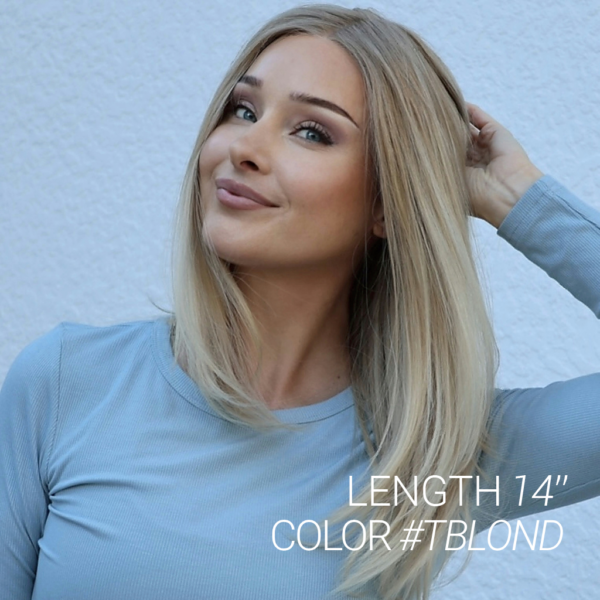
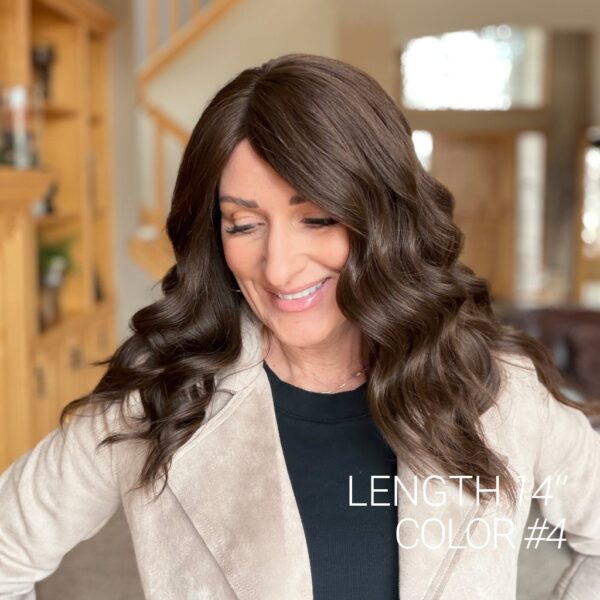
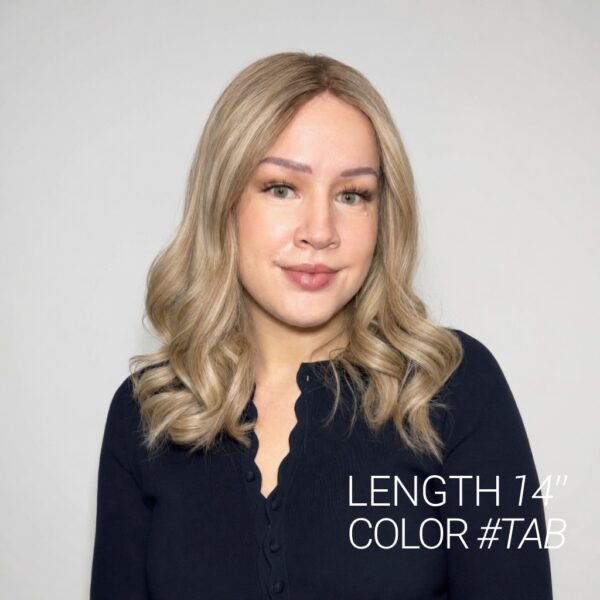
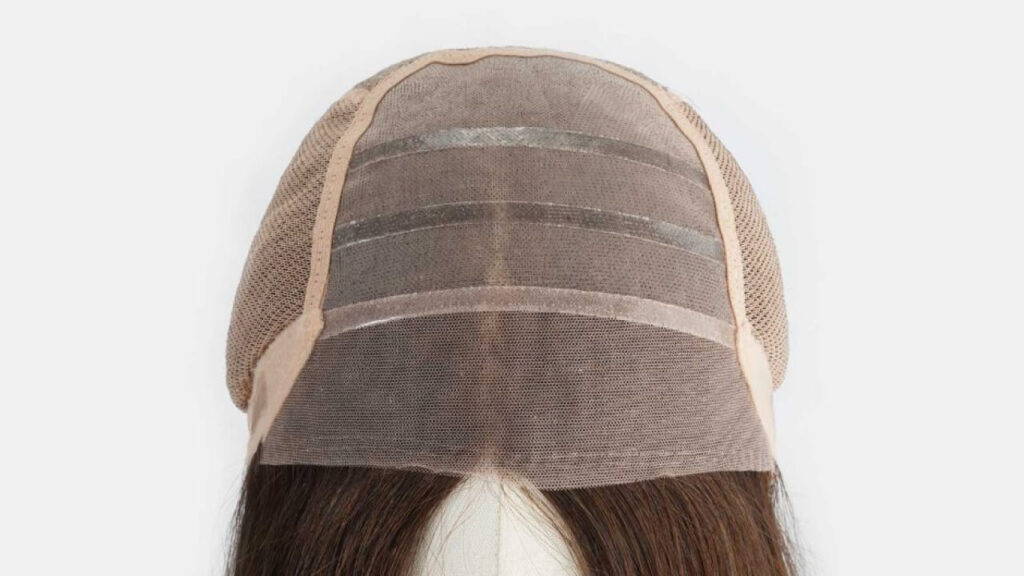
Melody, Heather, and Natalie are our high-end, fully hand-tied medical wigs. All three are made with Mongolian human hair, and the hair has intact cuticles for a luxurious feel. They’re clipless, lightweight, and easy to put on. Each one also features skin-friendly silicone anti-slip strips to keep the wig securely in place, so your client stays comfortable and at ease.
What Wigs Are Best for Sensitive Scalps?
Talking about comfort, “medical wig” is so far the category that boasts top comfort for wearers with sensitive skin. However, talking about base material, lace is the top comfort choice for being light and breathable.
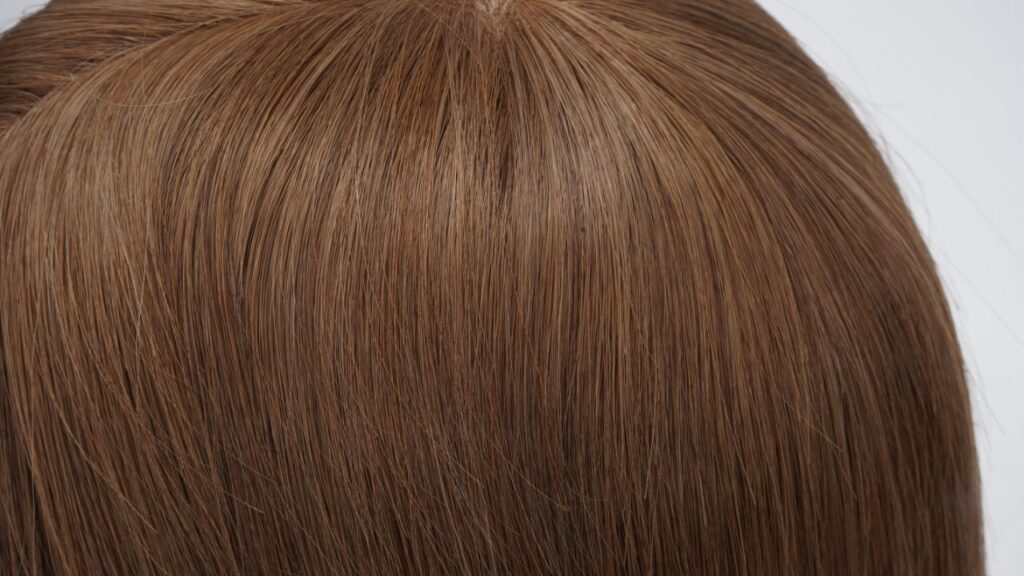
Lace Wigs: A Breathable and Comfortable Option
Lace wigs are a top pick for sensitive scalps. Why? Because they are lightweight and cater to perfect airflow, which in turn reduces sweating and itch-trigger irritations.
Why Lace Wigs Win for Sensitive Scalp:
Lace is one of the best base materials for a sensitive scalp because it lets your skin “act normal.” The tiny holes allow airflow and heat to escape, so you’re less likely to get that trapped, sweaty feeling that turns into itching on day 3 and irritation by week 3. Compared to thicker bases, lace also tends to feel lighter on the head, which matters a lot when someone wears it daily.
Lace is also gentle. A good lace wig (especially softer options like Swiss lace) sits closer to the skin and creates less friction, so you don’t get that constant rubbing along the hairline, behind the ears, or around the perimeter. And for long wear, lace wigs usually come with adjustable features—like straps, elastic, and sometimes built-in linings—so the wig stays secure without needing to be tightened to the point of discomfort.
What to Look for in a Lace Wig:
If comfort is the priority, focus on a lace front or full lace build so the areas that touch the skin most (especially the hairline) stay breathable and flexible. Lace fronts are a great balance for everyday wear, while full lace can feel even lighter and more “all-around” breathable depending on the construction.
Then check the hairline details. A pre-plucked hairline saves you from over-tweezing later, which can create extra pulling, stress, and friction during installs. Finally, pay attention to how the lace feels in your hands: you want lace that’s soft and flexible, not stiff or scratchy. If the lace holds a rigid shape or feels rough at the edge, it’s more likely to irritate a sensitive scalp over time.
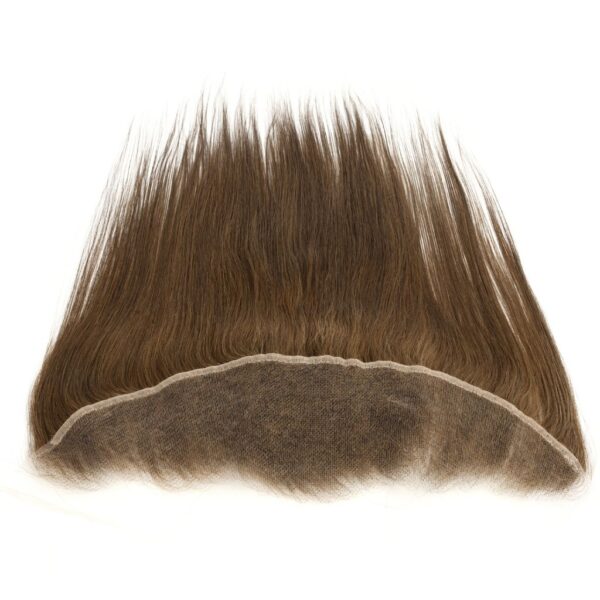
Lace Front Human Hair Wigs for Sensitive Scalps: Breathable, Light, and Low-Friction
Lace front human hair wigs are human hair wigs with a lace front that melds into the scalp at the front for a perfect-looking hairline. For most first-timers, this is the “sweet spot” category. Your client gets a natural hairline plus better airflow up front. For salons, it’s easier to sell because clients can see that it just looks real.
What Is the Most Natural Looking Human Hair Wig?
When clients say “natural,” they mean: “I don’t want wig vibes. I want me—just with hair.”
Some medical-wig pages lean hard into “natural-looking,” plus “breathable” and “lightweight,” especially for alopecia and cancer-related hair loss.
“Looking natural” is what every wig maker is looking for. Every wearer also wants their hair to look absolutely natural.
Basically, all wigs are designed to look pretty natural, and without telling the secret, no one should be able to tell that the person is wearing a wig. However, focusing solely on realism or naturalness, the winner has to be wigs with a silk top and quality Remy human hair.
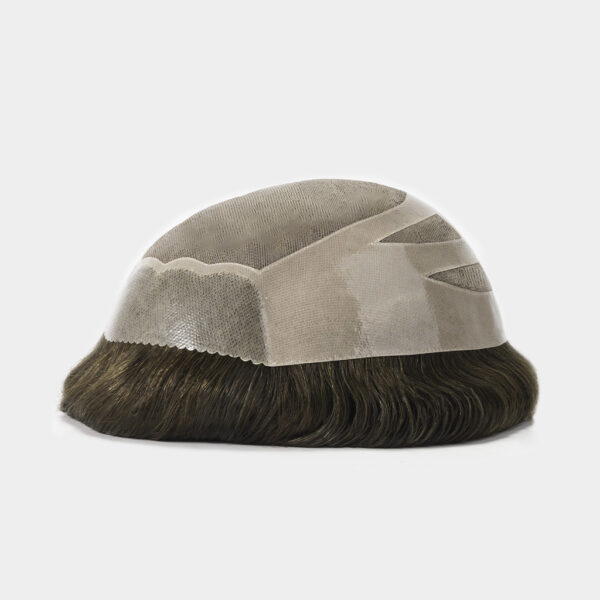
Monofilament / Lace + Silk Top + Remy Hair: The “It’s Growing from My Scalp” Look
The lace or monofilament base is where the hair is attached. Usually, with the tight and tiny knots, the hair will rarely come off.
Remy hair will ensure the most natural blending, and the hair density is suggested to match the client’s age and face (too thick = instant suspicion)
Silk Top is a silk-like material that stays over the monofilament or lace base, and the hair will get pulled out of the silk top, giving a knotless effect. You can style the hair in any direction, and the silk material looks just like real scalp, even up-close.
And yes—clients may name-drop premium brands (like Follea) when they want ultra-natural movement and comfort. You don’t have to be that brand to deliver that level of result. You just need the right build and fitting, like the brands themselves, also getting wigs from well-established, reputable suppliers, like Newtimes Hair.
How to Keep Scalp from Itching Under a Wig?
Itching usually comes from four things: heat, friction, buildup, or pressure. Your job is to remove the trigger, rather than tell them to “get used to it.”
Here’s the salon-approved checklist (keep it simple, repeatable, and handy):
- Start clean and dry: a damp scalp under a wig cap can itch fast.
- Reduce friction: avoid rough combs/clips if the client’s scalp is very tender.
- Go breathable: lace or lighter wig caps can reduce heat buildup.
- Wash schedule matters: product + sweat buildup can irritate skin.
- Patch test adhesives: if you’re using tape/glue, test for sensitivity first.
- Use a scalp barrier if needed: some clients do better with a protective layer made for wig wear.
Wig Cap + Sensitive Cap Tricks: When “Less” Is More
Not everyone needs a wig cap. Some comfort-focused collections even highlight plush inner caps designed to feel gentle enough that a wig cap may be optional.
So if a client says the wig cap is making them itch, don’t force it. Try a softer liner option—or remove one layer and let the scalp breathe.
Refer to our related post: How to Put on a Wig Cap in 6 Steps
Are There Wigs That Don’t Itch?
How to Make a Wig Not Hurt Your Head?
That said, the “no headache” formula is consistent across professional fitting. Keep this formula handy:
- Stop over-tightening. Tight doesn’t mean secure—it means pressure.
- Balance the weight. Long, heavy hair needs smarter distribution and sometimes thinning/layering.
- Improve grip without squeezing. Use a proper fit band/grip solution so the cap isn’t doing all the work.
- Find the pressure point. Most headaches come from temples, behind the ears, or the occipital area. Adjust them first.
If a client is getting headaches, don’t treat it like a “tough it out” thing. Treat it like a fitting issue.
Medical Wigs for Alopecia and Cancer Patients: Human Hair Comfort That Sells Itself
This is where salons can genuinely change someone’s day.
Medical-wig collections often highlight breathable, lightweight, and comfortable builds for moderate to severe hair loss—especially for alopecia and cancer-related hair loss.
For clients asking about human hair medical wigs for alopecia or “permanent wigs for alopecia,” set expectations clearly:
- “Permanent” usually means reliable daily wear with a replacement plan
- Comfort and scalp safety come before length and density
- The best result is the one they forget they’re wearing
Here’s a simple stocking map for salons:
Client Situation | Best Wigs for Purpose | Why the Wigs Work |
Tender scalp / treatment phase | Medical wigs with soft, breathable caps | Less irritation, safer daily wear |
Full coverage hair loss | Lightweight, secure fit builds | Less slippage, less pressure |
Wants realism + styling | Human hair options | Natural movement and finish |
Newtimes Hair Medical Wigs: Made for Salons and Made for Comfort
Newtimes Hair is B2B only, made for salons and professional wig providers who need consistent quality, predictable production, and real support.
If you’re building a human hair wigs for sensitive scalps category for your wig store or website, your clients won’t just “notice” the wig on day one—they’ll judge it on day 3, day 30, and day 300. That’s when comfort stops being marketing and starts being real life.
Start with breathable lace options that allow airflow, so the scalp doesn’t feel trapped, sweaty, or itchy. Then add softer cap finishes that reduce rubbing and irritation—especially around the hairline, behind the ears, and anywhere a seam or edge can cause friction over time.
Next, offer natural-looking density choices that feel believable. The goal is hair that looks like theirs, not a dramatic “overnight transformation” that makes clients feel exposed. Finally, keep the line pro-friendly for customization, so stylists can tailor the fit, hairline, and overall look to the client—rather than forcing the client to “make it work.”
Because here’s the truth: when the wig feels good, the mental spiral gets quieter. Compliments feel fun again. And the client stops running to the bathroom mirror every 10 minutes to check if something looks “off.”
About the Author

Julia Griffiths has been in hair since she was 13. She trained through Levels 1–3 in ladies’ hairdressing, then added barbering and opened Crosscuts Barbers at 27—now running strong for 23+ years.
Today, she also teaches CPD-accredited Men’s Hair Systems through Hair Revival Training, working with top-quality Remy hair. Julia reviews and writes for Newtimes Hair to keep our content practical, real-world, and salon-tested.