



- Why Does Your Natural Hair Love These Protective Hairstyles Under Wigs?
- Wig Basics: What to Do with Your Hair Under A wig (so It Lays FLAT and Healthy)
- How to Protect Your Hair Under a Wig? Know These Protective Style Rules That Actually Work
- Natural Hair Prep: How to Put Natural Hair Under a Wig (Step-by-Step)
- What Styles Are There for Every Hair Texture (Yes, Including Wig Hairstyles for Ladies)
- Hair Growth Check: Scalp Care That Keeps Your Wig Routine Healthy
- A Quick Newtimes Hair Note for Salons and Wig Distributors
- FAQs About Protective Hairstyles Under Wigs
Protective Hairstyles Under Wigs to Protect Your Natural Hairand Your Wig (Plus Scalp Tips)
- Why Does Your Natural Hair Love These Protective Hairstyles Under Wigs?
- Wig Basics: What to Do with Your Hair Under A wig (so It Lays FLAT and Healthy)
- How to Protect Your Hair Under a Wig? Know These Protective Style Rules That Actually Work
- Natural Hair Prep: How to Put Natural Hair Under a Wig (Step-by-Step)
- What Styles Are There for Every Hair Texture (Yes, Including Wig Hairstyles for Ladies)
- Hair Growth Check: Scalp Care That Keeps Your Wig Routine Healthy
- A Quick Newtimes Hair Note for Salons and Wig Distributors
- FAQs About Protective Hairstyles Under Wigs

Wigs can be fun and effective to cover your hair loss or give you a makeover. But the real win is what happens under the wig.
If your base is solid and grabbing, your wig sits better. And if your routine is gentle, your natural hair stays healthier.
This post covers some protective hairstyles under wigs and some useful tips that help everyday wig wearers keep their natural hair healthy. Let’s break it down.
Why Does Your Natural Hair Love These Protective Hairstyles Under Wigs?
It’s understandable that when wearing a wig, the wig will be continuously pulling and rubbing against your natural hair. A protective hairstyle will make sure there is less pulling, less pulling, and less rubbing against the wig cap. Also, your natural hair needs moisture, a protective hairstyle will make it easy to keep your natural hair moisturized and nourished.
One of the key things is to keep your natural hair tucked away so it doesn’t break due to combing, rubbing against your collar, or rubbing against the wig cap. This is the same core idea you’ll see across popular natural-hair wig routines.
Related: How to Put on a Wig Cap in 6 Steps
Big truth: a wig is only “protective” if the setup is right. If it’s tight, itchy, or dry underneath, it can backfire.
And please—keep tension low. Repeated tight styles and pulling can contribute to traction alopecia (especially around the hairline).
Wig Basics: What to Do with Your Hair Under A wig (so It Lays FLAT and Healthy)

Styling comes after a “flat foundation”. To be able to wear a wig effectively, it’s better to keep your natural hair as flat as possible. You want a smooth and flat base. That will make the wig look more natural and feel more comfortable on your head.
Quick foundation rules (save these):
- No big bun “blob” in one spot. Spread the hair out.
- No loose ends poking out. Tuck everything in.
- No tight pulling at the edges. Your hairline deserves peace.
Also, a wig cap helps most people. Some wig wearers even layer caps (like mesh + nylon) to keep long hair compressed.
Related: How to Store Human Hair Wigs
How to Protect Your Hair Under a Wig? Know These Protective Style Rules That Actually Work
Let’s keep this super practical. Practicing these will keep your natural hair healthy under the wig.
Take the Wig off When You’re Home
You can’t wear your wig 24/7. When you can, take off your wig as soon as you get home. This will give your bio hair a break, and release some tension from it (especially the edge), which has been tied under the wig for a whole day. And continuous tension on the bio hair for too long could potentially lead to traction alopecia.
Make Sure Your Bio Hair is Cornrowed or Twisted Under the Wig
Make sure the natural hair underneath the wig is cornrowed or twisted. This is to ensure the hair stays underneath the wig and does not poke out. Or, the hair will easily break due to friction.
Moisture Matters
Keep the hair hydrated, as dry hair will lead to breakage. Spraying some leave-in conditioner each day will keep the hair hydrated and healthy.
Scalp Protection
The scalp must be protected, as healthy hair starts from the scalp; using ACV or Hydrosol will clarify the scalp. If you can, also apply apple cider or vinegar, which are excellent options; a few times a week will be perfect. You can also use drops or oil to scalp if needed. Cornrowed hair will also make moisturizing the hair easier.
Bottomline: If a client says “my scalp burns” or “my hairline feels sore,” that’s a red flag. Switch to a looser style and reduce tension.
Natural Hair Prep: How to Put Natural Hair Under a Wig (Step-by-Step)
This set of steps works for most hair textures — curly, coily, or straight.
- Shampoo your hair and scalp on a schedule that fits your lifestyle. (Build-up is real.)
- Apply a light leave-in, then a small amount of oil on the ends if they’re dry.
- Part your hair into clean sections so you can work neatly.
- Choose your under-wig style (below).
- Put on a wig cap (optional, but helpful). Try breathable fabrics if you’re sensitive.
Salon note: If you’re prepping clients all day, the “win” is consistency. A simple routine done weekly beats a complicated routine done once.
What Styles Are There for Every Hair Texture (Yes, Including Wig Hairstyles for Ladies)
People ask for “wig hairstyles for ladies,” but the secret is: the under-style determines everything. You can have the prettiest wig in the world… and still get bumps if the base is wrong.
Protective Hairstyles Under Wigs for Black Hair (Low Bulk, Low Stress)
For many clients with coily or kinky natural hair, these styles are popular because they keep hair tucked and controlled properly:
- Cornrows (loose, not tight)
- Flat twists
- Box braids (kept low-tension and not too heavy)
These can be a solid protective styling option when installed gently and kept clean.
Tip: If a client wants box braids under a wig, keep the parts bigger and the tension lighter. That can help protect the scalp and edges.
Protective Hairstyles Under Wigs: Straight Hair (Stop the “Sliding Cap” Problem)
Straight hair can be slippery for the wig to grab. It also creates that ponytail “ball” fast.
Try this instead:
- Two French braids, then wrap and pin them flat
- A wrap-around plait at the nape (spread the length across the head)
Some cos-players with long, straight hair use these tricks for the same reason: it makes the wig sit flatter and stops sliding.
Hair Foundation for Long Length: How to Put on Wigs with Long Hair (Without the Lump)
If you’ve got long hair, don’t try to cut it short—distribute it. Here’s a simple method that works again and again:
- Split hair into two braids
- Wrap them around the head like a crown
- Pin them flat
- Add a wig cap
- Then put on the wig
This long-hair wig tip has been shared by many real users: multiple French braids, wig caps (even two caps), and pinning the wig to the braided base for stability. Also, if the wig keeps slipping, a velvet grip band can help some people.
Refer to our related post on how to put on a wig.
How to Pick the Best Under-Wig Base Fast
Hair Type / Situation | Best "Flat Base" Idea | Why It Helps |
Hair type / situation | Best "flat base" idea | Why it helps |
Thick natural hair | Cornrows or flat twists | Low bulk, controlled shape |
Straight + slippery hair | Two French braids + wrap | French braids + wrap Less sliding, less lump |
Very long hair | Wrapped braids + pins | Spreads length around the head |
Sensitive scalp | Loose twists + soft cap | Less tension, more comfort |
Hair Growth Check: Scalp Care That Keeps Your Wig Routine Healthy
If your goal is hair growth, think “environment.” A calm, clean scalp makes everything easier.
Here’s what matters most:
- Keep the scalp clean (build-up + sweat happens under a wig)
- Use a gentle shampoo routine that matches how often you wear the unit
- Add lightweight moisture (mist + leave-in) so the hair stays flexible
- Use a little oil if needed, especially on ends (don’t drown the scalp)
Some people like an occasional apple cider vinegar rinse for clarifying, but keep it diluted and patch-test first if you’re sensitive.
Quick reality check: If you feel stinging, bumps, or constant soreness, stop and reset. Tight styles and constant tension can damage follicles over time.
A Quick Newtimes Hair Note for Salons and Wig Distributors
Newtimes Hair understands that your clients don’t just need a wig. They need a “system” that helps them select the best cap options, grip bands, and authoritative advice on how to keep their wig in good condition and their hair healthy. You are the one who will give them an effective care plan.
Stick to our guide. Together we’ll get rid of complaints like:
- “My wig looks bulky.”
- “My scalp itches.”
- “My natural hair is breaking.”
And if you’re a salon owner and you are the one who orders wigs for your clients, keep multiple cap sizes (12”*14” are the most popular ones), and cap materials. It will help you fit more heads comfortably—especially for a full wig install or a closure look where the front has to sit just right.
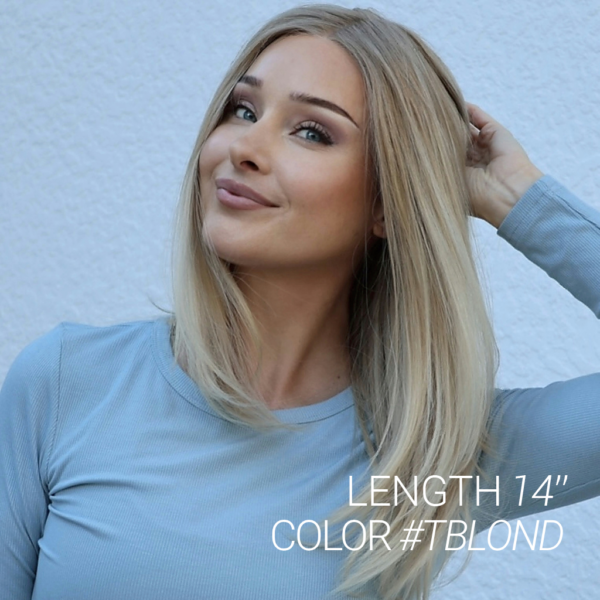
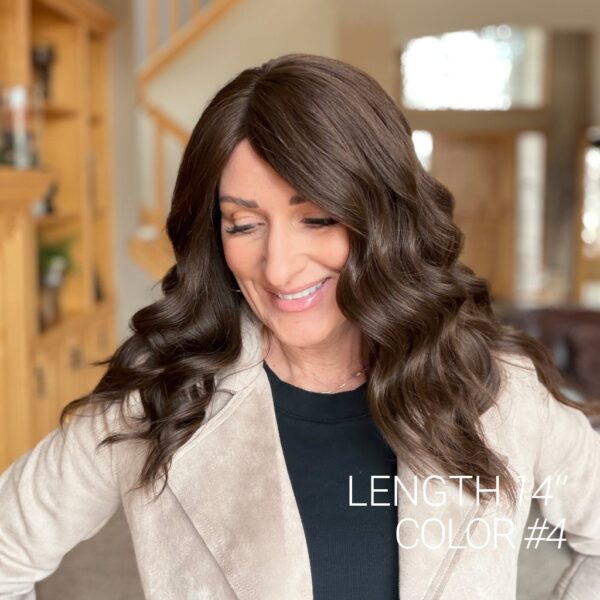
Check out our most popular options:

About the Author

Julia Griffiths is a stylist, barber, and educator who’s been in the hair world since she was 13. She trained in ladies’ hairdressing (Levels 1–3), then expanded into barbering and later opened Crosscuts Barbers—now running strong for over 23 years. Today, she teaches CPD-accredited Men’s Hair Systems through Hair Revival Training and also reviews and writes for Newtimes Hair, sharing practical, salon-tested advice professionals can actually use.