




- The Basics: What You're Really Dyeing (and Why It Matters)
- Shade Change Strategy: How to Dye Human Hair the Right Way (DIY vs. Pro)
- Color Play: Highlights, Lowlights, and Tone Tweaks That Look Real
- Step-by-Step: At-Home Dye Guide (Only If You're Staying Close in Shade)
- Human vs. Synthetic for Color Changes
- Bonus: Pro Tips to Keep Color Rich and Hair Healthy
- Shopping Notes from Newtimes Hair (So You Love It on Day One)
- Popular Dyeable Human Hair Toppers Offered at Newtimes Hair
- Final Take
- About the Author — Julia Griffiths
- FAQs
Can You Dye Human Hair Toppers? A Full Guide for Easy, Real-Life Results
- The Basics: What You're Really Dyeing (and Why It Matters)
- Shade Change Strategy: How to Dye Human Hair the Right Way (DIY vs. Pro)
- Color Play: Highlights, Lowlights, and Tone Tweaks That Look Real
- Step-by-Step: At-Home Dye Guide (Only If You're Staying Close in Shade)
- Human vs. Synthetic for Color Changes
- Bonus: Pro Tips to Keep Color Rich and Hair Healthy
- Shopping Notes from Newtimes Hair (So You Love It on Day One)
- Popular Dyeable Human Hair Toppers Offered at Newtimes Hair
- Final Take
- About the Author — Julia Griffiths
- FAQs
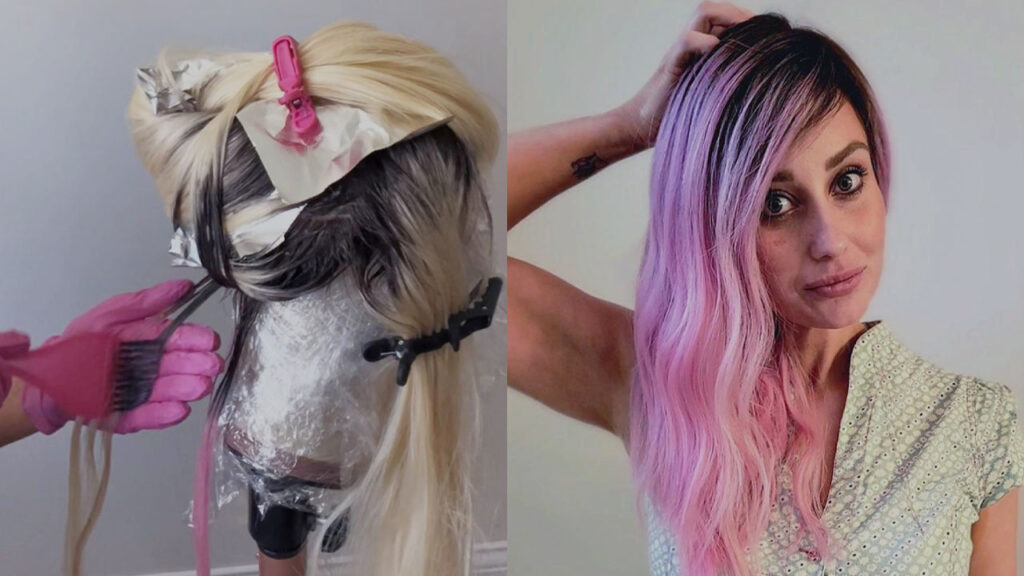
Can you dye human hair toppers? Short answer: yes—human hair toppers can be dyed. But there are rules if you want it to look natural and keep your topper healthy. This guide keeps it simple and practical, so you can decide when to DIY and when to call a pro. We’ll also clear up myths about synthetic hair, hair wigs, hair pieces, and hair dye so you don’t fry your blend or your budget.
The Basics: What You’re Really Dyeing (and Why It Matters)
Human hair toppers are made from real strands ethically collected from first-hand donors. That means the hair cuticle, texture, and shade can behave a lot like your own bio hair. But there’s a catch: the topper has already been processed (cleaned, sanitized, sometimes lightly tinted), so it’s a bit more sensitive than fresh-from-the-scalp hair.
Can you dye human hair toppers at home? You can, but it’s not for everyone. If your goal is a small tone tweak or a hair color refresh, home dye jobs can work. If you want big changes (like going much lighter), get a colorist who knows alternative hair. Your top priority is keeping the topper strong, shiny, and believable on your head.
Can you dye synthetic hair? No, not with regular hair dye. Synthetic hair is made from plastic fibers. Traditional dyes don’t stick. If you see “synthetic hair dye” hacks online, be careful—most involve fabric dyes or acrylic inks that can stain unevenly, damage fibers, and void warranties. For synthetic hair pieces, order the exact color you want from the start.
Quick rule you’ll love:
- Darkening a human hair topper? Usually safe.
- Lightening (bleaching) a human hair topper? Risky; proceed with professional help.
Pro tip: If your topper is made with Remy hair or Remy human hair, the aligned cuticles help shades flow more evenly and reduce tangles. That’s great for gentle dyeing and toning.
Why toppers behave differently from wigs:
A topper blends with your hair at the part. A wig covers everything. That means your match has to be extra on point. The top section, where the topper meets your bio hair, is where 90% of “Is she wearing something?” questions start. Nail that blend and you’re golden.
Shade Change Strategy: How to Dye Human Hair the Right Way (DIY vs. Pro)
Here are the real rules to follow for both hair pros and individual wearers:
Blend Goals: Matching Your Bio Hair (hair wigs)
Your mission is to seamlessly blend the top and face frame. If your bio hair has grown-out lows, sun-faded highs, or salon color, your topper should mirror that. If you’re new to toppers, match the base shade first, then add soft dimension later. That’s the same playbook many wigs use for believable results (you may have seen similar tips from other brands).
Safe Moves at Home with Hair Dye
At home, keep it simple:
- Dye to go one to two levels darker or to shift tone (warm → cool, brassy → neutral).
- Use semi-permanent or deposit-only dye on human hair pieces.
- Do a strand test on the topper’s underside near the top back.
- Mix slowly. Apply with a small brush so you don’t overload knots or the top base.
- Rinse cool, then deep-condition.
- These steps protect the hair, reduce dryness, and keep dyed shine. Too many developers = brittle hair and weak knots.
When to Book a Colorist
If you need highlights, lowlights, or a large lift, bring it to a pro who knows toppers and wigs. Ask for:
- Foil highlights off the lace/mono base to protect knots
- Low developer + bond builders
- Tonal gloss to blend your bio hair and topper together
- Pros can also custom-tone your wig or hair wig if you’re mixing systems.
Color Play: Highlights, Lowlights, and Tone Tweaks That Look Real
Can you dye human hair toppers with highlights? Yes—and it looks amazing when done softly. Overly chunky stripes scream “piece.” Subtle, face-framing highs and a smudged root make your topper melt into your hair.
How to Highlight a Human Hair Topper (color)
- Map your blend. Put your topper on, mark where your top/part sits.
- Lift in micro-foils. Keep foils clear of the lace/mono base to protect the knots.
- Tonal check. Rinse early and often; human hair lifts fast when it’s already processed.
- Gloss. Finish with a demi-gloss to unify the color with your bio hair.
- Condition. Seal with a mask to keep hair soft and dyed high shine.
Lowlights = magic for pulling a too-bright topper into a lived-in shade. A few deeper ribbons around the top part make the transition from bio hair nearly invisible.
Root smudge: If your roots are darker than your topper, ask for a soft smudge at the base so the hair at the top looks like it’s growing from your scalp. Works on wigs and toppers alike.
Step-by-Step: At-Home Dye Guide (Only If You’re Staying Close in Shade)
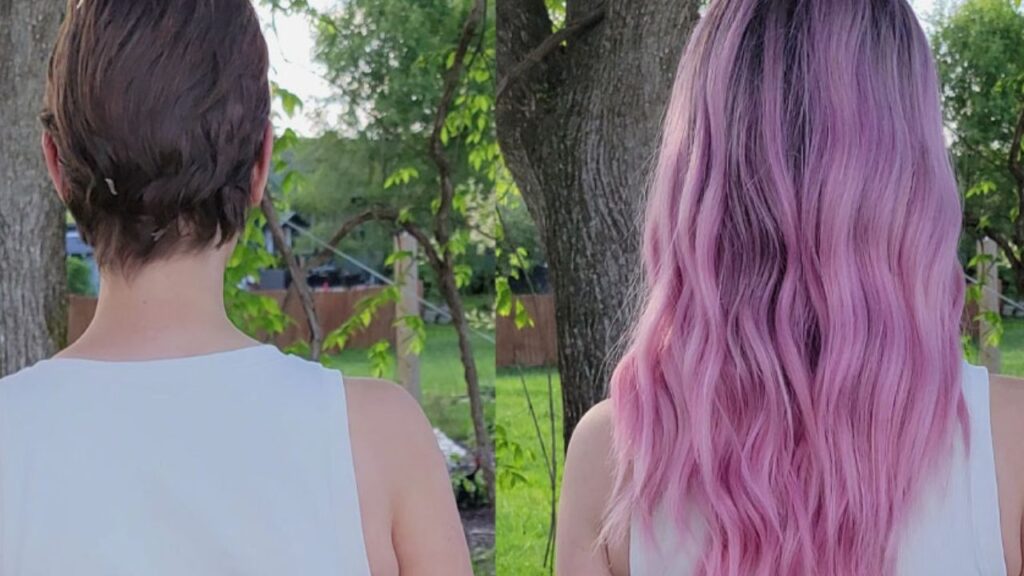
Below is a simple, safer method for a small tone shift or slight darkening on human hair toppers. If you’re lifting more than one level, skip this and see a pro.
You’ll need:
- Demi-permanent hair dye (deposit-only) in your target tone
- 10-volume activator (or brand’s dedicated developer)
- Tint bowl/brush, clips, wide-tooth comb
- Sulfate-free shampoo, deep conditioner, microfiber towel
What you need to do:
- Detangle the topper gently from ends to top with a wide-tooth comb.
- Pre-wet slightly and blot. Damp hair takes tone more evenly.
- Mix dye per label. Keep it creamy, not runny.
- Apply in thin sections, starting at the mid-lengths, then ends, then the top roots last. Keep dye off the lace knots as much as possible.
- Watch the clock. Check a strand every 5 minutes.
- Rinse cool, shampoo lightly, and condition for a full 5–10 minutes.
- Air-dry on a stand. Heat aftercare? Keep it low; protect with spray.
Result: a softer tone shift, better shine, and a topper that blends with your bio hair without wrecking fiber strength.
One Smart List so Your Topper Lasts Longer: Signs You Should Go Pro Instead of DIY
- You want highlights/lowlights or a big lift
- Your top base is lace/mono, and you’re worried about knots
- You’re correcting banding or brass on previously dyed hair
- Your bio hair has a complex dimension you want to match
- You’re unsure how hair processed before will react to fresh dye
Human vs. Synthetic for Color Changes
Can you dye human hair toppers and synthetic ones as well? Here is a clear guide:
Features | Human Hair Topper | Synthetic Topper |
Can you do normal dye? | Yes: darkening/toning) | No |
Can you lighten? | Risky—see a pro | No |
Gloss/toner tone refresh | Yes | Specialty sprays only |
Heat styling after dyeing | Yes (use protectant) | Low heat or none |
Frequent color changes | Human hair | Not recommended |
Bonus: Pro Tips to Keep Color Rich and Hair Healthy
Pre-tone beats re-dye. If your topper goes brassy, a demi gloss or purple/blue toning mask often fixes it without another full dye.
Mind the water. Hard water causes fade. Use a shower filter and chelating treatment monthly to keep color fresh.
Heat is a tax. Every hot pass steals moisture. If you wear wigs too, rotate days so each piece gets a break.
Density matters. A thinner top piece shows color bands faster; go slower, use more foils, and gloss to unify.
Storage counts. Keep the hair on a stand, out of direct sunlight. UV light fades color on toppers and wigs alike.
Match your part. If your natural part zigzags, train the topper part to mimic it. Realistic hair flow hides everything.
Know your fiber. Remy human strands with intact, aligned cuticles resist tangles and take dye more evenly than mixed-origin hair. Non-Remy may need extra conditioning.
Shopping Notes from Newtimes Hair (So You Love It on Day One)
1) Base first. Choose a base that hugs your top shape. A snug base means the hair sits flatter and reflects shade like real scalp hair.
2) Shade families. Pick your family (neutral, warm, cool) based on your skin and bio hair. Then dial in a subtle dimension. We offer toppers with natural roots, airy highlights, and depth through the top to echo your own hair.
3) Human vs. Synthetic. If you plan to adjust color seasonally—or love hair curling and smoothing—human hair is the flexible pick. If you want a set-and-forget color, synthetic hair is easy.
4) Try-on tips. Put the topper on under daylight, then indoor warm light. Two lighting checks before committing saves time, stress, and extra dyeing.
Popular Dyeable Human Hair Toppers Offered at Newtimes Hair
Want a topper you can color just like real hair? These human hair toppers from Newtimes Hair are perfect for that! They’re made with real, soft Remy or Mongolian hair — super easy to tone or dye for your dream shade.

Sidney Mono Topper has a mono base, which is soft, breathable, and super strong — it doesn’t soak up dye the way lace sometimes does. That means you can color the hair without worrying about staining or weakening the base. Perfect for gentle toning or darker dyes.

Julie Mono Topper is also made with a mono top, which gives a natural scalp look that still holds up after coloring. Because it’s hand-tied and ventilated, color spreads evenly through the hair without patches or color build-up near the roots.
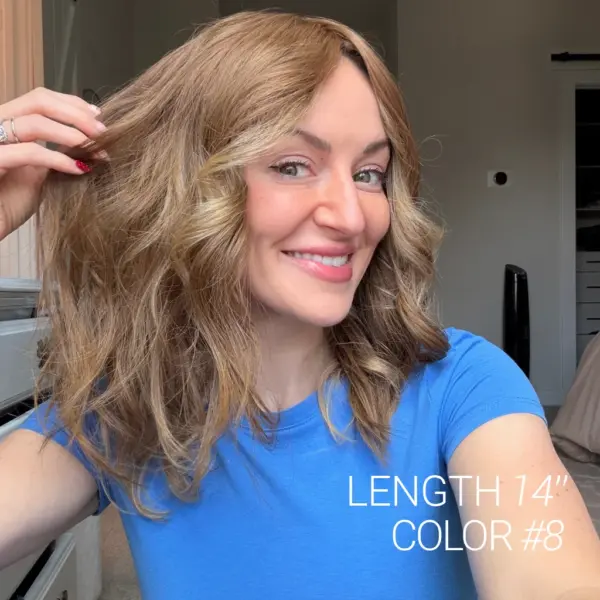
Kailani uses high-grade Remy hair on a lace front with a silk top — that combo gives you the best of both worlds. The silk layer hides the knots, so even after dyeing, it looks like the color is coming right from your scalp. Just avoid bleaching too close to the lace edge so it stays strong and invisible.
Pro tip: Try to stick to salon-grade dye, test a small strand first, and deep-condition after coloring. These toppers are built tough, but gentle care keeps them gorgeous longer.
Final Take
Yes, you can dye human hair toppers—especially for small tone shifts or going slightly darker. For bigger color moves, highlights, or heavy correction, take it to a pro who knows toppers and wigs. Protect the base, baby the strands, and keep the top blend soft. Do that, and your piece won’t just pass. It’ll win compliments.
Ready to find your match? Explore our human hair toppers and wigs at Newtimes Hair. We’ll help you choose the right base, the right color, and the right finish—so your topper and bio hair look like one perfect team.
About the Author — Julia Griffiths

Julia Griffiths is a veteran stylist, barber, and educator. She trained in ladies’ hairdressing (Levels 1–3) and barbering, opened Crosscuts Barbers at 27, and has run it successfully for over 20 years. A top scorer in Level 3 Teacher Training, she now delivers CPD-accredited Men’s Hair Systems courses through Hair Revival Training. Known for her energy and exacting standards, Julia works exclusively with premium Remy hair and helps stylists build real skill—and real confidence.