

- Key Takeaways
- What "Wig Lifespan" Really Means (and Why Clients Get Confused)
- Truth to Tell Clients: Wig Lifespan Depends on Occasional or Daily Wear
- Factors Affecting Wig Lifespan
- The “7 Things That Make Wigs Wear out Faster” List
- How Long Do Human Hair Wigs Last?
- How Long Do Synthetic Wigs Last?
- Lace Front Wigs: How Long Do They Last on the Head?
- Proper Care: the Salon-Friendly Routine that Extends Wig Lifespan
- Wig Styles and Lifespan: Curly, Wave, Bob (Yes, It Matters)
- A Quick "Client Intake Form" for Choosing the Right Wig (Use This in Your Shop)
- For Salons and Vendors: How We (Newtimes Hair) Help You Choose Better
- When Should Someone Replace a Wig?
- About the Author
- FAQs About Wig Lifespan
How Long Do Wigs Last? Factors Affecting Wig Lifespan – A Guide for Salons, Clinics, and Wig Shops
- Key Takeaways
- What "Wig Lifespan" Really Means (and Why Clients Get Confused)
- Truth to Tell Clients: Wig Lifespan Depends on Occasional or Daily Wear
- Factors Affecting Wig Lifespan
- The “7 Things That Make Wigs Wear out Faster” List
- How Long Do Human Hair Wigs Last?
- How Long Do Synthetic Wigs Last?
- Lace Front Wigs: How Long Do They Last on the Head?
- Proper Care: the Salon-Friendly Routine that Extends Wig Lifespan
- Wig Styles and Lifespan: Curly, Wave, Bob (Yes, It Matters)
- A Quick "Client Intake Form" for Choosing the Right Wig (Use This in Your Shop)
- For Salons and Vendors: How We (Newtimes Hair) Help You Choose Better
- When Should Someone Replace a Wig?
- About the Author
- FAQs About Wig Lifespan

If clients ask one question more than any other, it’s this: “How long do wigs last?” And the only honest first answer is: it depends.
It depends on the wig type, the hair, the cap, the lace front, the density, and—yep—proper care. It also depends on how your client wears wigs: daily, on weekends, or “only when I feel like a new person.”
This guide is written for salons, clinics, wig shops, beauty-supply stores, and wig vendors. You’ll learn what to tell clients, how to set expectations, and how to choose wigs that keep customers happy (and coming back).
Key Takeaways
If you want clients to love their wig for years, don’t sell them a fantasy. Sell them the right match.
Wig lifespan comes from:
- smart fiber choice
- good construction (lace front, closure/frontal, cap fit)
- realistic wear schedule
- proper care
What “Wig Lifespan” Really Means (and Why Clients Get Confused)
When people say a wig “lasted,” they might mean the following perspectives of a wig: the hair still looks smooth and natural, feels soft, the lace front is still intact, it still fits the same, and it hasn’t started shedding, tangling, or looking tired.
So the wig lifespan isn’t just “time.” It’s when the wig stops giving the client the look she wanted.
For pros, that’s the whole game: match the wig to the client’s lifestyle and maintenance habits.
Truth to Tell Clients: Wig Lifespan Depends on Occasional or Daily Wear
The same wig can last quite different lengths of time depending on how often it’s worn:
- Daily wear: If you wear the wig daily, then there’s a big chance the wig will get dirty and oily. You will more likely wash it more often. And the wig hair will certainly rub against your clothing, pillows (while asleep). So, it’s likely it won’t last for too long.
- Occasional wear: If you only wear your wig occasionally, like if you only wear it to go to special events, then it will wear slowly. You don’t have to wash and maintain it so often, so it will last longer.
So you can’t promise the same lifespan to all wig wearers. All you can promise is a smart match.
Factors Affecting Wig Lifespan

This is the part that makes you sound like the expert in the room. Because you are.
Hair Type: Human Hair vs Synthetic Fibers
Fiber type changes everything. Human hair wigs can be restyled and revived more easily. Synthetic fibers can look great, but they’re more sensitive to friction and heat. Unless you use some synthetic wigs designed specifically for heat-styling. If a client wants longevity, human hair is usually the safer bet.
Hair Quality and Level of Processing
Not all “human hair” is the same. Quality matters. Heavily processed hair, is that’s been stripped of cuticles, can dry out faster and is unable to hold color for long. Premium hair is usually stays smoother longer, sheds less, and handles styling better.
At Newtimes Hair, all our products are made with ethically sourced human hair. Our most picked wigs are those made with cuticle-aligned Mongolian hair. Their caps are all medical-grade ones.
Lace Matters: Lace Front, Lace Wigs, and HD Lace
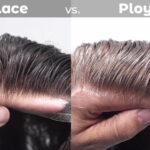
Full lace or lace front wigs can look super natural, as lace can meld into the scalp like part of it, especially Newtimes Hair’s Swiss lace. That’s why Swiss lace hair systems and wigs are soft and deliver top-level breathability and realism. French lace, on the other hand, is tougher but more durable.
Closures & Frontals: Lace Closure vs Frontal
A closure can reduce stress along the entire hairline compared to a full frontal install.
A frontal can look amazing, but it can also be a “high-maintenance relationship.”
Cap Construction and Fit
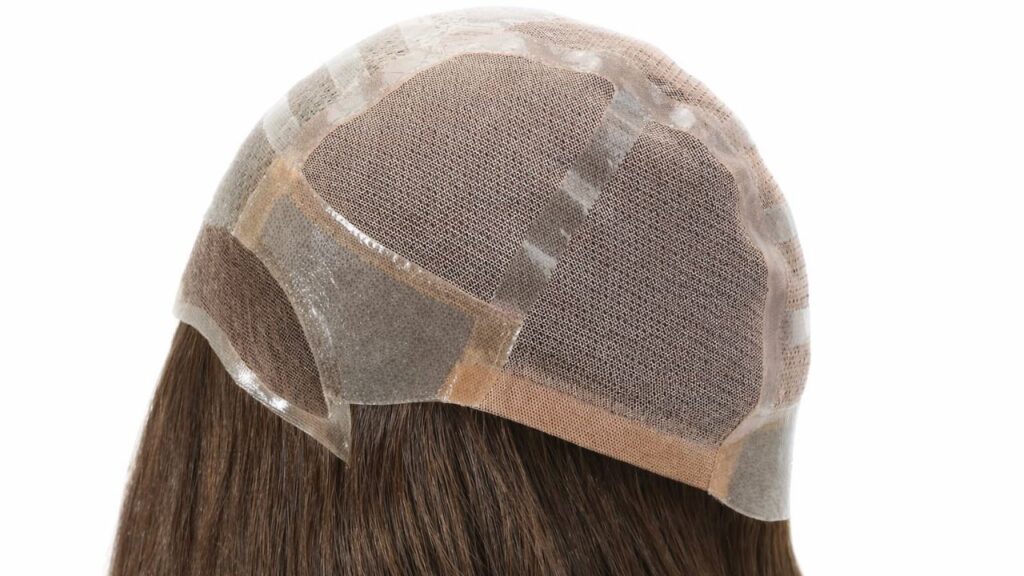
A wig cap usually means the hat-like hair wrapper, which is typically made of nylon, silk, etc. But, to many wig suppliers, like Newtimes Hair, a wig cap actually means a wig base, where the hair gets attached and the whole hairpiece gets attached on the wearer’s head.
A good cap fit matters more than people think. A wig that shifts, rubs, or sits incorrectly will wear out faster. Fit also influences comfort, and comfort influences how a client treats the wig.
Installation Method & Wear Frequency (Glue, Tape, Daily Wear)
Daily wear + heavy adhesive + rough removal is the fastest way to shorten wig lifespan.
Clients who use glue need a gentle routine, and they need to stop “peeling it off like a sticker.”
Maintenance: Washing, Detangling, Heat Styling
Washing the wig hair and cap too often will make the hair dry out quickly. However, that doesn’t mean you don’t need to wash it, because over time, there will be product buildup and dirt on the hair and cap, which can lead to heavy tangling.
Also read our related post: How to Maintain a wig cap.
Heat styling is fine for human hair wigs, but not for their synthetic counterparts (except some synthetic wigs are designed specifically to resist heat). —if it’s controlled. Random high heat every morning? That’s how wigs age fast.
Density, Bundles, and What Wear Looks Like Over Time
Higher density can hide thinning longer, but it can also tangle more if care is poor.
Some builds use bundles to create fullness. Fullness looks great, but it still needs detangling discipline.
A Simple Table You Can Show Clients In-Store
Factor | What It Affects | What You Tell Clients |
Fiber type (human hair vs synthetic) | Overall lifespan | Pick based on lifestyle |
Lace front / HD lace | Hairline durability | Remove gently, keep clean |
Closure / frontal | Stress at hairline | Choose for maintenance level |
Cap fit | Friction + comfort | Correct size = longer life |
Density / bundles | Tangling + shedding | Detangle on schedule |
Styling (curly/wave/bob) | Daily upkeep | Pick a style they can maintain |
Washing + water temp | Dryness vs buildup | Lukewarm water, balanced washes |
Proper care habits | Everything | Simple routine, repeat |
The “7 Things That Make Wigs Wear out Faster” List
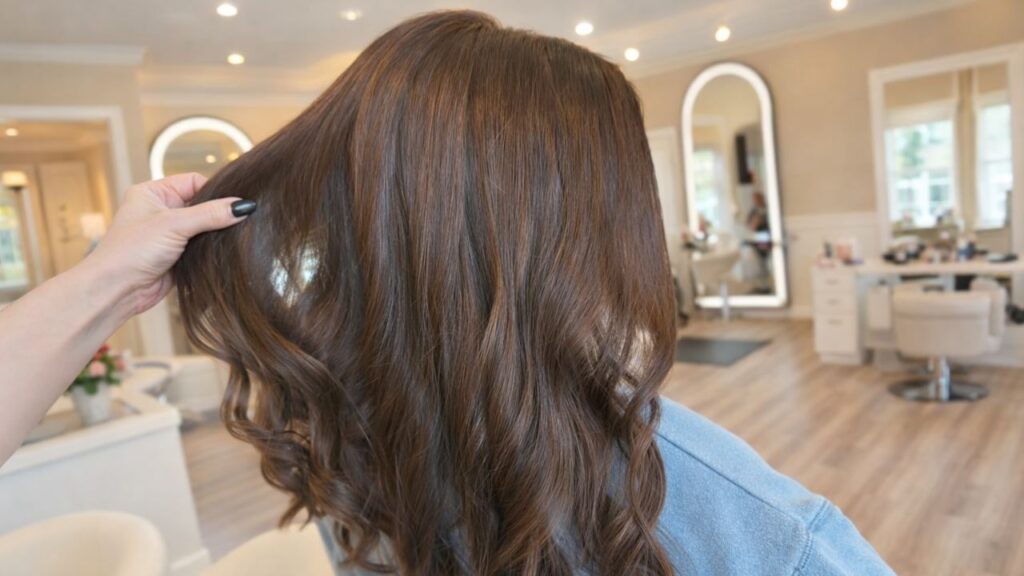
Pass these don’ts with wigs to your clients, and they will thank you for it:
- Sleeping in the wig constantly
- High heat with no protection
- Rough detangling (starting at the roots)
- Glue buildup on the lace
- Hot water washing
- Storing the wig crumpled in a bag
- Wearing wigs daily with zero rotation
How Long Do Human Hair Wigs Last?
Clients keep asking this question because human hair wigs are the most popular hairpieces that deliver the most natural, realistic look. Here’s the clean answer:
Most human hair wigs can last one to three years with proper care. Some premium human hair builds can go three years—especially when the client:
- rotates wigs
- avoids harsh glue removal
- keeps a stable wash schedule
- limits aggressive heat
Also, remind them: the hair can last, but if the lace is damaged, the wig feels “done,” even if the hair still looks okay.
How Long Do Synthetic Wigs Last?
Most synthetic wigs last 3–6 months with daily wear. Some can last over a year if:
- worn occasionally
- kept away from the heat
- protected from friction
- stored properly
Synthetic is not “bad.” It’s just a different promise.
Lace Front Wigs: How Long Do They Last on the Head?
This one matters because “on head” often means “installed.”
A lace front can be worn for short periods or longer installs depending on:
- the adhesive system
- scalp sensitivity
- the client’s daily routine
- sweat and activity
If someone asks, “How long can I wear a lace front wig without taking it off?” your safest pro answer is:
- Follow skin comfort first
- Keep the hairline clean
- Don’t stretch installs beyond what the client can maintain safely
Proper Care: the Salon-Friendly Routine that Extends Wig Lifespan
Here’s a simple routine you can teach any client, even a beginner:
- Detangle gently, starting from ends
- Wash with lukewarm water (not hot)
- Condition mid-length to ends
- Air dry when possible
- Use controlled heat (lower temp, fewer passes)
- Store on a stand or in a soft bag
- Keep the lace clean and free of adhesive buildup
Short sentences. Easy habits. Longer lifespan.
Wig Styles and Lifespan: Curly, Wave, Bob (Yes, It Matters)
Most wigs and topper we supply can be further styled. If your client likes the hairstyle, she can put it on straight out of the box. Otherwise, you can further style the hair into the style she likes. That said, different hairstyles also wear differently.
Curly Wigs / Curly
Curly hair looks amazing. However, it is not the same as straight hair. If you brush it the same way as you brush a straight-hair wig, it can tangle pretty badly. Curly wigs last longer when clients:
- Have the habit of detangling the hair frequently with their fingers
- Use the right products for washing and maintenance
- Never brush the hair when it’s dry
Wave / Wavy Hairstyles
Wavy hair is easier for most clients than tight curls. It holds shape well and can look “fresh” longer.
Bob
A bob is often a cheat code for durability. Less length = less tangling = less daily damage. This way, the hair will last longer.
A Quick “Client Intake Form” for Choosing the Right Wig (Use This in Your Shop)
When you or your client comes to choose the right wig, ask these:
- Are you wearing wigs daily or occasionally?
- Do you want human hair or synthetic?
- Do you prefer lace front realism or durability first?
- Will you use glue, tape, or glueless?
- Do you heat style often?
- What style: straight, wave, curly, bob?
- What’s your maintenance personality: “I love routines” or “I hate routines”?
This saves returns. It saves complaints. It saves your time.
For Salons and Vendors: How We (Newtimes Hair) Help You Choose Better
Newtimes Hair is a B2B supplier for salons, clinics, wig shops, and hair vendors. That means we think the way you think:
- You need wigs that match different clients (newbies, daily wig wearers, lace lovers, low-maintenance clients).
- You need consistent quality.
- You need options in human hair and synthetic wigs, plus lace front and other constructions.
- You need reliable support so you can sell confidently.
If you tell us your client profile, we can recommend:
- the right hair type (human hair vs synthetic)
- the right lace option (lace front, lace wigs, HD lace)
- closure vs frontal setups
- cap options for comfort and stability
- style choices (curly, wave, bob)
- density targets that fit the look and budget
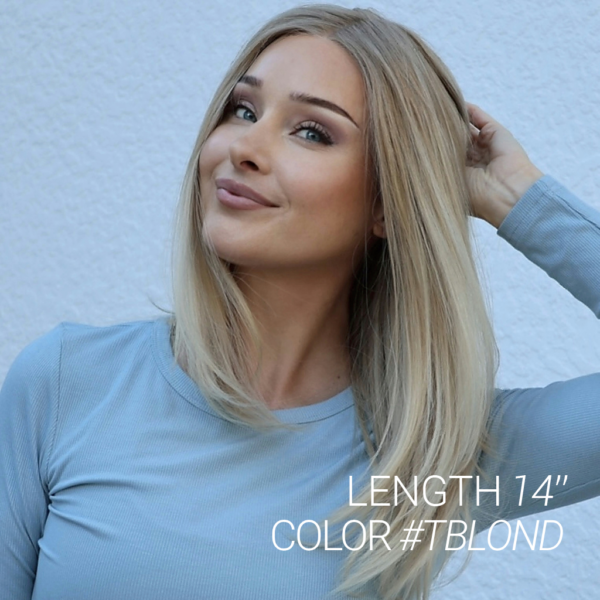
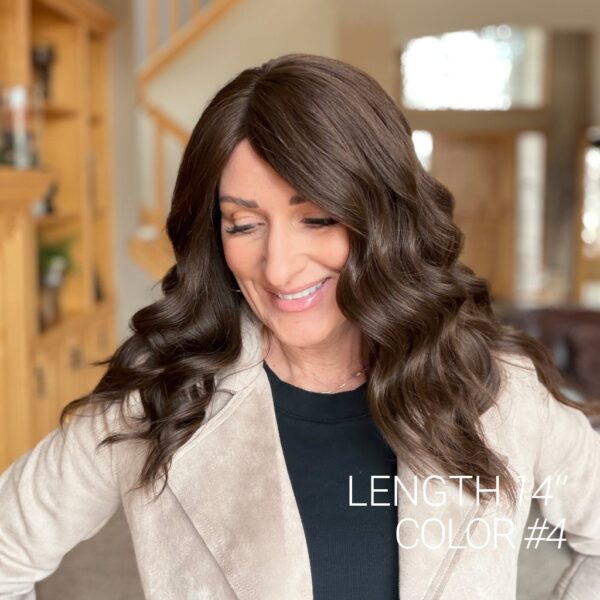
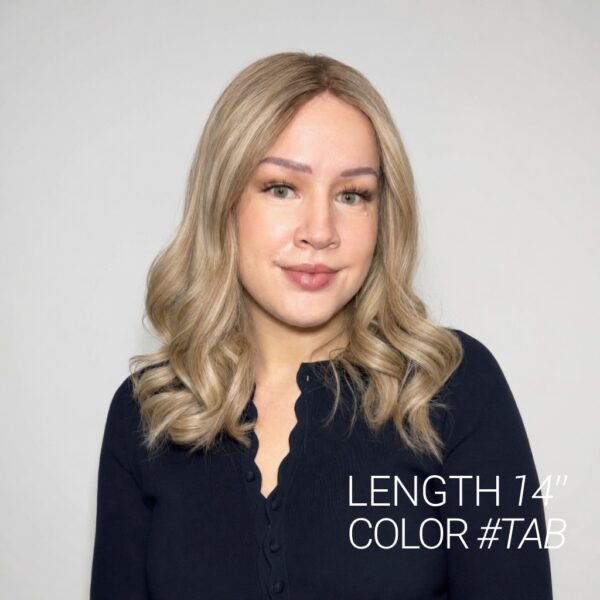
Come to see our human hair wigs made with premium Mongolian hair with aligned cuticles:
When Should Someone Replace a Wig?
When these signs start to appear, it’s probably time to replace your wig:
- Tangling is constant even after proper care
- shedding becomes obvious
- The lace front frays or stretches
- The style won’t hold
- The hair looks dry no matter what
- The cap fit feels “off.”
Sometimes the wig isn’t “dead.” It just needs a refresh or repair. But clients usually feel better with a clear rule. So, give them these guidelines, and they will clearly know.
And when you want a supplier who understands how salons and clinics actually work—we’re here.
About the Author

Julia Griffiths is a UK-based hair professional, educator, and salon owner with over 20 years of hands-on experience in hairdressing, barbering, and men’s hair systems. As the founder of Crosscuts Barbers and Hair Revival Training, she delivers CPD-accredited education for stylists across the UK and Europe. Julia also reviews and writes for Newtimes Hair, sharing practical, real-world insights drawn directly from the salon floor.