



- How Do You Store Human Hair Wigs When Not in Use?
- Choose the Right Wig Storage Method
- How to Store a Wig Without a Head?
- How to Store a Wig for Travel?
- Do's and Don'ts of Wig Storage (No Repeats, Just Rules)
- Wig Storage Comparison Table
- Why Newtimes Hair?
- Final Thoughts on Wig Storage
- About the Author
- FAQs About Wig Storage
How to Store Human Hair Wigs Properly for Long-Lasting Wear?
- How Do You Store Human Hair Wigs When Not in Use?
- Choose the Right Wig Storage Method
- How to Store a Wig Without a Head?
- How to Store a Wig for Travel?
- Do's and Don'ts of Wig Storage (No Repeats, Just Rules)
- Wig Storage Comparison Table
- Why Newtimes Hair?
- Final Thoughts on Wig Storage
- About the Author
- FAQs About Wig Storage

Knowing how to store human hair wigs is one of the most underrated parts of wig care. 90% of wig wearers, and even pros, focus on washing, styling, or choosing the right product, but storage also contributes to how long a wig actually lasts.
Poor wig storage may cause the hair to look flattened. For example, a wig at 120% density may look 90% if the hair is too flattened. It may also lead to tangled ends, stressed clips, and dull hair, no matter how you style it.
This guide covers wig storage from every angle: daily use, overnight breaks, long-term storage, travel, and finally a clear list of dos and don’ts that separate long-lasting wigs from ruined ones.
How Do You Store Human Hair Wigs When Not in Use?
The moment a wig comes off your head, storage begins. What you do next determines whether the hair stays smooth or starts to break down.
The foundation of good storing is consistency. Every time you remove your wig, you should place it somewhere that protects the hair, the cap, and the overall shape.
At a minimum, wigs should be kept in a cool, dry, dark place. Why?
- Because temperatures as high as 50 Celsius (122 Fareheight) will dry out human hair. This can be heat from the sun or heatstyling.
- Humidity levels above 60%-70%, on the other hand, will weaken the knots; humidity levels that keep human hair healthy are around 30%-60%.
- Plus, too much exposure to strong lights can cause color fade. Direct sunlight can damage wigs over time.
Read our related article on how to color human hair wigs safely.
As long as your condition meets these three conditions, your wig should last out its lifespan or even longer with no problem.
Wig Stand for Short-Term Storage
A wig stand is ideal for short-term storage, such as overnight or between wears during the week.
Why this works:
- As the wig is stored in an open space, the airflow reduces moisture buildup. But, make sure the room moisture levels are within the safe range: 30%-60%.
- The cap itself will keep the wig’s natural shape.
- Hair hangs naturally, protecting its density.
- The parting will stay smooth.
Canvas or mesh wig stands are best. Avoid flimsy plastic stands that bend caps or tilt under weight. Always keep stands away from heat sources.
Read our related article on protective hairstyles under wigs.
How to Store Human Hair Wigs Overnight
Overnight wig storage should be simple and repeatable.
Good overnight options:
- Place on a wig stand
- Fold gently into a wig bag
- Set flat on a protected surface
Avoid tossing wigs onto chairs or beds. Even a few hours under pressure can flatten hair and distort the cap.
How to Store Human Hair Wigs Long Term
Long-term storage requires preparation. Never place a wig into long-term storage straight after wearing it.
Before storing:
- Wash the human hair to remove oil and product
- Let the wig dry fully, inside and out
- Detangle gently to avoid stress on knots
Skipping these steps traps residue and moisture, which weakens hair fibers during extended storage.
For a detailed guide, refer to our related article: How to Wash a Human Hair Wig in 6 Steps.
How to Store a Wig in a Bag
A fabric wig bag is best suited for short-term storage, rotation between wears, or travel. Breathable fabric allows airflow while protecting the wig from dust and friction.
Best practice for storing a wig in a bag:
- Place tissue paper inside the cap to support the crown and help maintain its shape
- Fold the wig loosely, never tightly, to avoid creasing or flattening the hair
- Avoid plastic or airtight bags, as these can trap moisture and increase static
This method helps prevent tangles and protects internal features such as clips and combs from bending during storage.
How to Store a Wig in a Box
Storage boxes are ideal for longer-term storage or wigs that need additional structure and protection.
When storing a wig in a box:
- Line the box with soft tissue paper to reduce friction and static
- Position the wig crown-up and lay the hair in its natural direction
- Store the box in a cool, dry place, away from direct sunlight or heat
Boxes offer more protection from pressure and are especially useful when storing wigs for extended periods.
Where Do People Keep Their Wigs at Home?
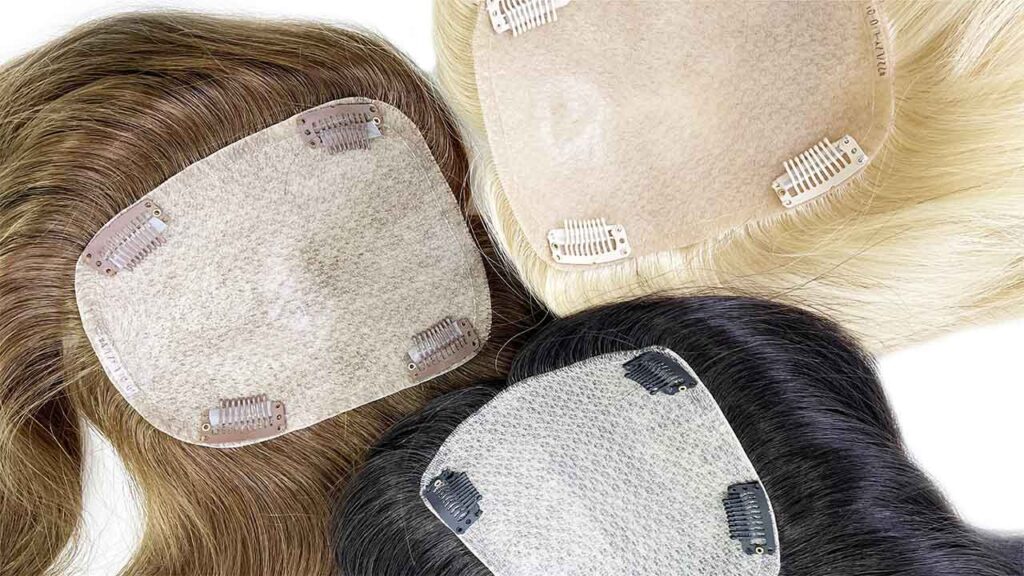
We’ve talked about the perfect conditions for wigs to be stored. But where exactly at home can you store it? Here, let’s break it down.
Common and safe locations include:
- Bedrooms with a stable temperature
- Closets away from the bathroom steam
- Shelves with breathable wig bags
- Dressers using wig stands
If extra wigs are stored, spacing matters more than people expect. When wigs touch each other, the hair strands will rub against one another. The rubbing will lead to tangles. Tangles lead to breakage.
Choose the Right Wig Storage Method
You buy wigs to serve your various needs. Some may only wear wigs for special occasions, while others wear them daily. The best method depends on wear frequency, hairstyle, and how long the wig will stay unused. Consider these before you decide how to store them:
Daily Wear vs. Occasional Wear
If you wear your wig daily, it might cause continuous low-level stress on it. The stress can be your body heat, friction from your clothing, or pillows (when you are asleep). Too much sunlight can also be considered a stress, even if high heat is rarely used.
If you only wear the wig occasionally, the hair will have time to rest and recover between uses. With fewer heat cycles and less friction, the cuticles will remain intact longer. So the hair will stay moisturized and soft.
Straight Hair vs. Curly Hair
Curly hair has more open cuticles, making it harder for oils to travel down the strand. That’s why curly hair tends to dry out faster and is more sensitive to both heat and prolonged sun exposure.
Straight hair usually has flatter cuticles, and oils can be evenly distributed throughout the strand, allowing it to tolerate moderate heat slightly better than curly hair.
Glueless Caps vs. Sewn-In Clips
When wearing a glueless cap, the cap sits closer to the wearer’s scalp and can trap body heat with limited airflow. This trapped heat and sweat may gradually weaken the hair and knots even without styling tools.
Sewn-in clips make the wig easy to wear. As the wig is simply clipped on the natural hair, there will be enough room between the scalp and the cap, allowing for a more stable moisture balance during wear.
Short-Term vs. Long-Term Storage
Short-term storage has little impact, as the hair still retains its moisture. Long-term storage, however, exposes hair to dry air, temperature changes, and friction within packaging, gradually dehydrating the hair.
How to Store a Wig Without a Head?
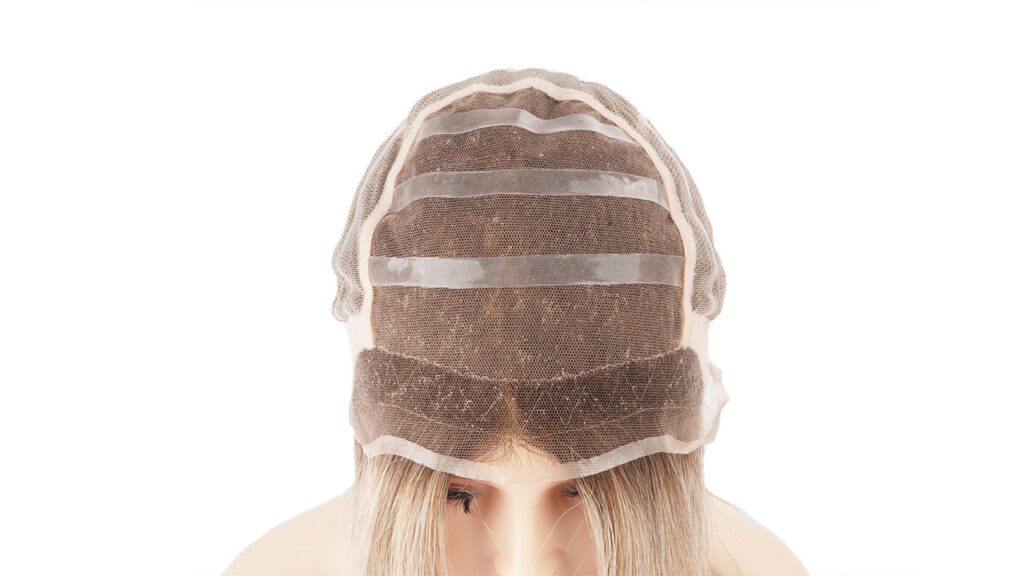
Not everyone owns a wig head, and that’s completely fine. Some household items can be used for short-term storage, whether it’s a human hair wig or a synthetic hair wig. For proper long-term storage:
In a Wig Box, Shoe Box Lined with Soft Tissue Paper
Cardboard boxes are breathable and help regulate moisture. Lining the box with tissue paper or a soft towel reduces friction and static while helping the wig maintain its shape during storage.
In a Clean, Suitable Plastic Container
A rigid plastic container can protect the wig from dust and physical damage. If using this method, ensure the wig is completely dry before sealing to prevent trapped moisture.
In the Original Packaging
Wig boxes are designed to support the cap shape and protect the hair from friction, dust, and light. Many are already labeled, which makes it easier if you own multiple wigs.
In a Clean Zip-Lock or Grip-Lock Bag
Plastic bags are useful for compact storage or travel. Place the wig gently inside, try not to compress the hair, and store the bag somewhere it won’t be punctured or exposed to heat.
These methods are especially helpful for storing curly wigs, where preserving the curl pattern matters more than volume.
Special Tips: How to Prepare a Wig for Storage Without a Wig Head
Before placing your wig into any storage method, follow these simple steps to help maintain its shape, style, and longevity:
- Brush and fold the wig correctly: Gently brush the wig in its natural parting to remove any knots. Fold the wig in half from ear to ear, keeping the parting centred. If the wig doesn’t have a defined part, place a small piece of soft tissue at the crown to help support the shape.
- Secure the style with a hairnet: Placing a hairnet over the wig helps keep the hair in position and reduces friction while stored. This makes it easier to wear the wig again with minimal restyling.
- Store the wig carefully: Once prepared, place the wig into the original packaging or one of the storage options above. Store it in a cool, dry place away from direct sunlight or heat.
How to Store a Wig for Travel?
Travelling adds pressure, movement, and temperature changes — all of which can affect wigs if they aren’t stored correctly. However, if well prepared, storing wigs while travelling doesn’t need to be stressful.
Whether you’re travelling with one wig or multiple wigs, the goal is to protect the wig’s shape, prevent tangling, and avoid compression during your journey.
Tips for Storing Wigs Safely While Travelling
- Use structured wig bags or containers: Structured wig bags help support the wig’s shape and reduce friction during travel. For extra protection, a strong plastic container lined with soft tissue paper can prevent wigs from being crushed inside your suitcase.
- Separate multiple wigs with tissue paper: If you’re travelling with more than one wig, placing tissue paper between them helps reduce static, tangling, and friction.
- Keep wigs crown-up: Positioning wigs with the crown facing upward helps protect the cap construction and maintain the style during transport.
- Avoid compression in luggage: Do not place heavy items on top of wigs. Compression can flatten fibers and distort the wig’s shape, especially during longer journeys.
Whenever possible, carry wigs in your hand luggage rather than checked bags. Carry-on storage keeps wigs under your control and reduces exposure to extreme pressure and temperature changes.
After Arrival at Destination
Once you’ve reached your destination, remove your wig from its travel container and store it as you would at home. If available, collapsible wig stands are a practical travel accessory, as they take up minimal space in luggage and help maintain the wig’s shape between wears.
Do’s and Don’ts of Wig Storage (No Repeats, Just Rules)

This section is where many guides fail — they repeat earlier tips. These do’s and don’ts focus on habits and decisions, not methods already explained.
✅ Do’s of Proper Wig Storage
Do rotate wigs if you wear them often: Rotating wigs allows hair fibers to rest. This preserves density and reduces friction damage.
Do support the cap structure: Whether using wig stands, boxes, or flat storage, always support lace and cap seams.
Do store wigs separately: Even similar wigs should not touch. Separate storage prevents tangling and color transfer.
Do check stored wigs periodically: Long-stored wigs should be checked every few weeks to ensure no moisture or pressure issues develop.
Do keep storage areas clean: Dust, lint, and stray hair settle quickly and affect wig quality over time.
❌ Don’ts of Wig Storage
Don’t store wigs near heat sources: Radiators, windows, and electronics dry out human hair and warp caps.
Don’t store wigs with heavy items: Pressure flattens density and bends clips, even when stored briefly.
Don’t store wigs while damp: Moisture trapped during storage weakens knots and causes odor.
Don’t use airtight plastic long-term: Hair needs airflow. Plastic traps moisture and shortens wig’s lifespan.
Don’t ignore curl patterns: For curly wigs, improper storage stretches curls and changes shape permanently.
Wig Storage Comparison Table
Wig Storage Method | Best Use | Key Benefits |
Wig stand | Daily wear | Maintains shape and airflow |
Wig bag | Travel | Lightweight protection |
Wig box | Long-term storage | Dust and pressure control |
Mannequin head | Display | Full cap support |
A mannequin head is useful for styling and display, but isn’t required for everyday wig storage.
Why Newtimes Hair?
Newtimes Hair is a professional manufacturer and supplier of human hair wigs, toppers, and hair replacement systems. We have been leading the industry for almost 15 years since our founding in 2012. All our products are made from 100% ethically sourced human hair. The majority of wigs and toppers, made from cuticle-aligned Mongolian hair, are high-end options for salons worldwide. Here are some of our most commonly selected human hair wigs:
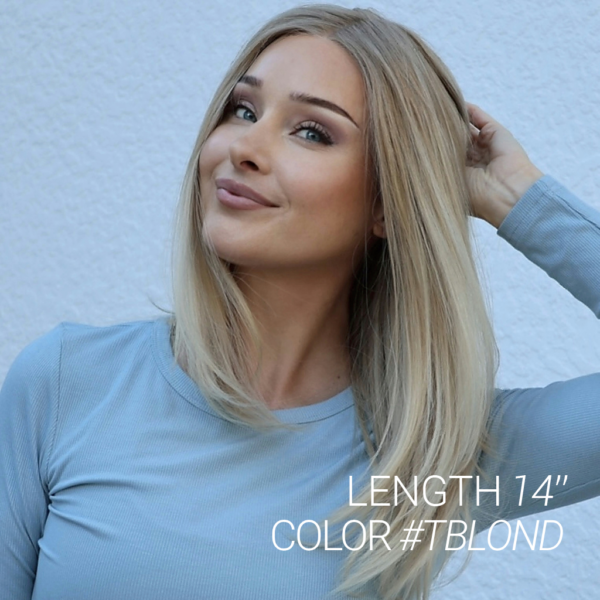


If you are a salon, hair clinic, or wig store looking for the most premium human hair wigs with intact cuticles at factory-direct wholesale prices, contact us today.
Final Thoughts on Wig Storage
Understanding how to store human hair wigs properly is what separates wigs that last months from wigs that last years.
Good wig storage protects human hair, maintains density, and keeps wigs looking natural. Whether you wear wigs daily or occasionally, smart storing habits are just as important as washing or styling.
Treat your wigs well between wears — and they’ll always be ready when you need them.
About the Author

Julia Griffiths is a professional stylist and hair system educator who owns her own studio, Hair Revival Training, with over 20 years of experience in wigs and alternative hair solutions. She contributes expert, salon-grounded insights to Newtimes Hair, focusing on proper care, storage, and long-term performance of professional wigs.