




- Does it matter if a hair system supplier owns its factory?
- How can I audit a hair system manufacturer remotely?
- Remote hair system factory audit checklist
- What are the red flags when sourcing hair systems from China?
- Does a remote audit replace an on-site or third-party factory audit?
- How Newtimes Hair buyers can start their verification
- Final takeaway
- About the author
- Frequently asked questions
How to Verify and Audit a Hair System Factory Remotely: A Buyer’s Checklist
- Does it matter if a hair system supplier owns its factory?
- How can I audit a hair system manufacturer remotely?
- Remote hair system factory audit checklist
- What are the red flags when sourcing hair systems from China?
- Does a remote audit replace an on-site or third-party factory audit?
- How Newtimes Hair buyers can start their verification
- Final takeaway
- About the author
- Frequently asked questions
You don’t need to fly to China before you can learn whether a hair system supplier deserves a trial order. You do, however, need more than a polished website, a certificate scan, and a rehearsed factory video.
A useful remote audit combines five kinds of evidence: legal identity, controlled documents, a live and partly buyer-directed factory tour, product-specific records, and a multi-batch pilot order. None is strong enough alone. Together, they can reveal whether the supplier controls production, maintains consistent specifications, communicates honestly, and has a workable process when something goes wrong.
The short version is this:
- Verify who the company legally is.
- Establish which facility actually makes your products.
- Trace one real order through the process during a live call.
- Test consistency across more than one sample or batch.
- Put quality, change control, delivery, and after-sales rules in writing before scaling.
Does it matter if a hair system supplier owns its factory?
Yes, factory ownership can matter—but it is not proof of quality.
An owned factory may give a supplier more direct control over staff, production scheduling, work instructions, quality records, corrective action, and intellectual property. That can shorten communication chains and make it easier to trace a problem to a specific batch or process.
But the label “factory direct” answers only one question: who claims to own or operate a facility? It does not tell you whether the factory controls hair grading, color processing, base construction, ventilation, knotting, finishing, inspection, or subcontracted work well.
A poorly managed owned factory can produce inconsistent work. A supplier using carefully qualified partner factories can perform well if it controls specifications, production records, inspections, approved subcontractors, and corrective actions. The practical question is therefore not simply, “Do you own a factory?” It is:
Who controls every critical process used to make my hair systems, and what evidence proves that control?
Ask the supplier to distinguish clearly among:
- the legal company that signs the contract;
- the company receiving payment;
- the factory shown during the audit;
- any related company that owns or leases the facility;
- any subcontractors handling coloring, base work, ventilation, finishing, repair, or packaging.
If those names, addresses, and relationships cannot be explained in writing, don’t jump to purchase.
Find out about Newtimes Hair’s quality and compliance approach.
How can I audit a hair system manufacturer remotely?
Structure the audit in five stages. The framework below follows the audit principles in ISO 19011:2026 and the practical risks described in the ISO/IAF Guidance on Remote Audits.
Remote evidence has limitations. A supplier controls the camera, documents may be selectively prepared, and recorded footage may not show current operations. For that reason, use live observation, random sampling, interviews, records, and physical product tests to corroborate one another.
Stage 1: Verify the company before the video call
Request a pre-audit information pack before discussing a large order.
Company identity
Why it matters: A remote audit is only useful if you can identify the legal party responsible for your order. Matching the contract, payment recipient, and facility creates an accountability trail if specifications, delivery, or after-sales support later become disputed.
- Full legal name in Chinese and English
- Business license and unified registration or credit number
- Registered address and actual manufacturing address
- Name of the legal representative
- Business scope showing whether the entity is registered for manufacturing, trading, or both
- Exporting entity, if different
- Corporate bank beneficiary details
- Written explanation of the relationship among the seller, factory, and any affiliated companies
The legal entity on the contract, invoice, and payment instructions should make sense together. A different beneficiary is not automatically fraudulent, but it needs a credible, documented explanation.
For China-related partnerships, the U.S. International Trade Administration advises companies to evaluate partners carefully and conduct their own background research. Buyers can also use local counsel or a qualified verification provider to check Chinese-language registration records.
Quality and compliance documents
Why it matters: Documents turn a supplier’s quality claims into checks you can verify. Matching the certificate scope and procedures to the actual site helps distinguish a working control system from material used only in sales presentations. From a realistic point of view, if a manufacturer or supplier can meet those standards, it is good proof of capacity for your long-term support.
Ask for current, legible copies—not cropped logos—of documents relevant to the products and markets you serve:
- Quality-management certificates, including certificate number, scope, covered site, issuing body, issue date, and expiry date
- Product compliance or safety documents that genuinely apply to the product and destination market
- Organization chart showing production and QC responsibility
- High-level process map
- Incoming-material, in-process, and final-inspection procedures
- Nonconforming-product and corrective-action procedures
- Complaint and warranty handling process
- Approved subcontractor list or written subcontracting policy
Validate management-system certificates through the certification body and, where applicable, IAF CertSearch. Check that the certified company name, address, and scope cover the facility and activity being discussed. A valid certificate can support confidence in a management system; it does not guarantee that a particular shipment meets your specifications.
Stage 2: Set the rules for a live remote factory tour
Agree on the audit agenda, confidentiality, recording, and evidence handling in advance. The ISO/IAF remote-audit guidance specifically highlights data security, confidentiality, connection quality, identity of interviewees, access to records, and the reliability of live images.
Why it matters: A live, buyer-directed tour tests whether the supplier can show current operations rather than a prepared showroom or an old recording. It also lets you compare what you see with the documents and process claims submitted in advance.
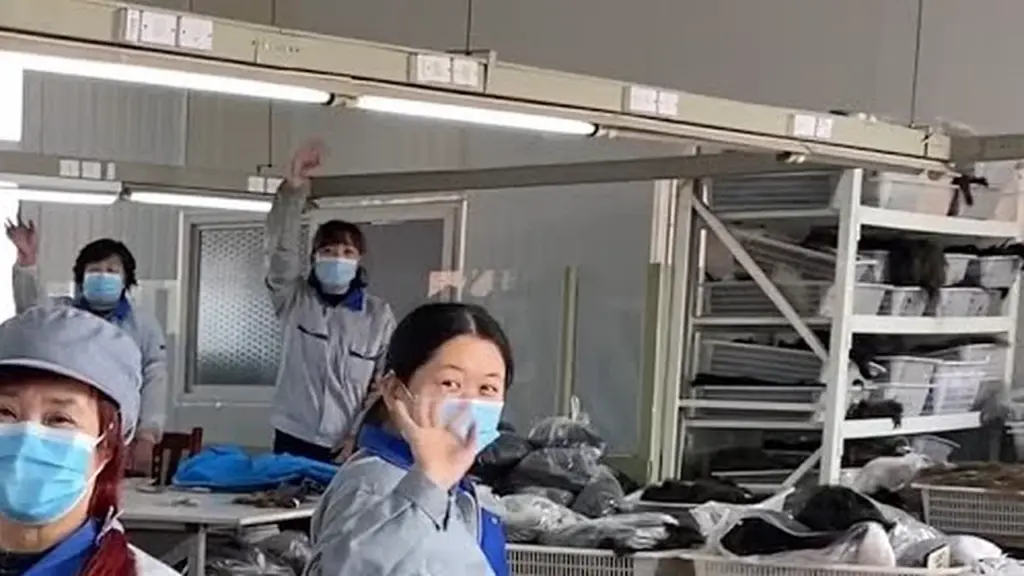
Request a continuous live tour—not only prerecorded clips. A strong protocol includes:
- Start outside the facility and show the entrance, company name, surrounding location, and current live call screen.
- Move through reception and production without stopping the feed unless safety requires it.
- Let the buyer choose at least part of the route and ask for unscheduled views of specific areas.
- Compare the live layout with a floor plan supplied before the call.
- Identify everyone interviewed by name, role, and responsibility.
- Ask permission before recording or taking screenshots, and agree on how confidential files will be shared and deleted.
If the supplier says a production area cannot be shown because of another client’s intellectual property, that can be reasonable. Ask for an alternative: an empty work area, redacted records, a demonstration order, or a third-party auditor under a nondisclosure agreement.
Stage 3: Trace a real hair system through production
Generic factory cleanliness matters less than process control. Ask the guide to select a current work order—ideally one chosen from a list during the call—and trace it from specification to finished-product status.
Raw hair and incoming materials
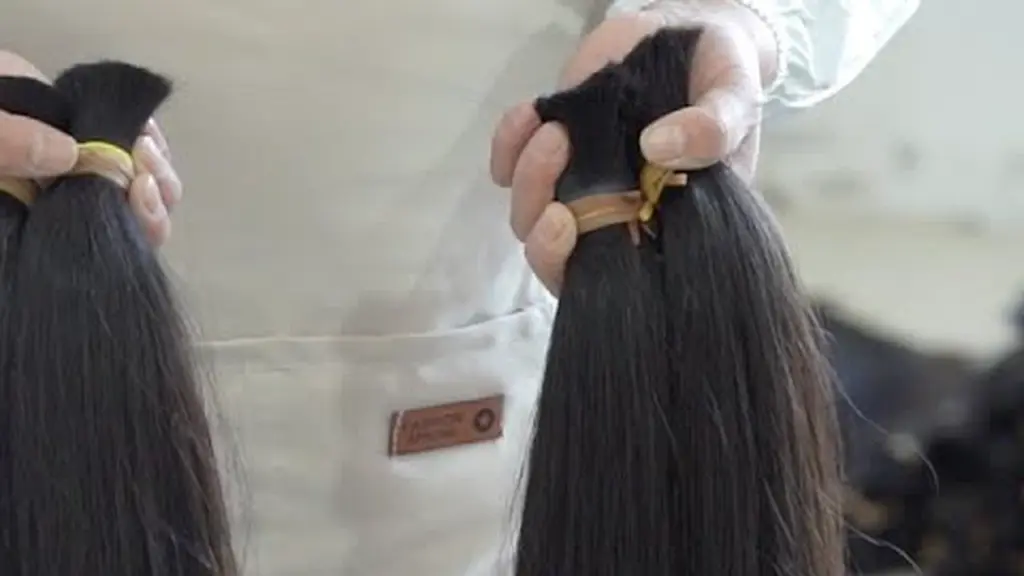
Why it matters: Hair and base materials strongly influence whether repeat orders can match the approved sample. Lot identification, acceptance status, and segregation make it possible to trace a color, density, or workmanship problem back to the material used.
Check how the factory identifies, separates, and approves:
- hair origin and declared grade;
- Remy, non-Remy, virgin, processed, or mixed hair categories;
- hair length and short-hair allowance;
- color lots and gray-hair percentage;
- curl or wave pattern;
- lace, monofilament, polyurethane, and other base materials;
- adhesives, coatings, clips, thread, and packaging materials.
Ask to see quarantine areas for unapproved material and records for at least one accepted and one rejected lot. Bags of hair without lot identification or status labels are a traceability warning.
Coloring and chemical processing
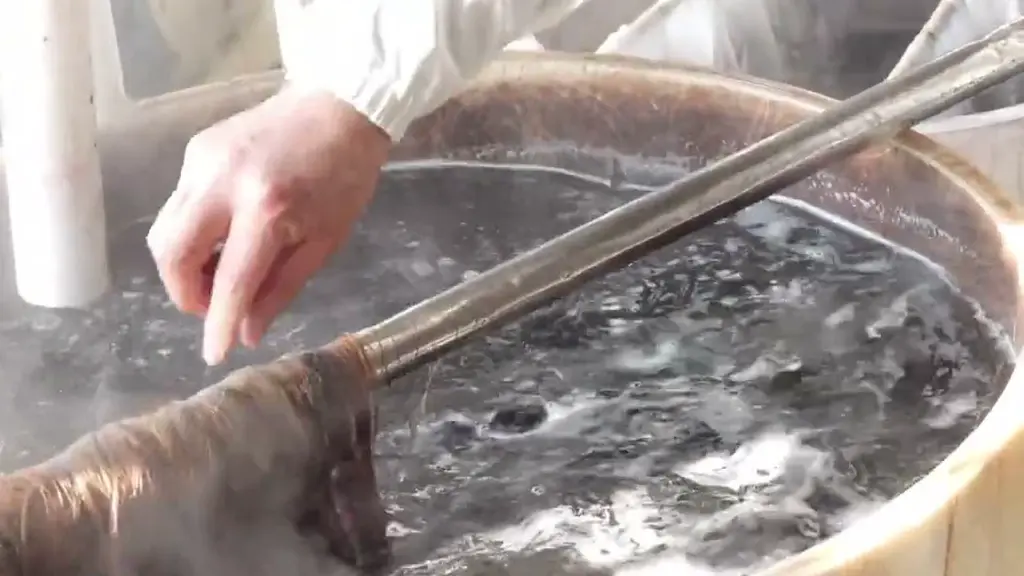
Hair color is one of the easiest places for batch inconsistency to appear. Ask:
- How is a customer color sample translated into a production formula?
- Is the formula stored for repeat orders?
- How are processing time, temperature, and chemical concentration controlled?
- How is color checked before and after drying?
- What happens when the finished lot misses the approved shade?
- How are different lots prevented from being mixed accidentally?
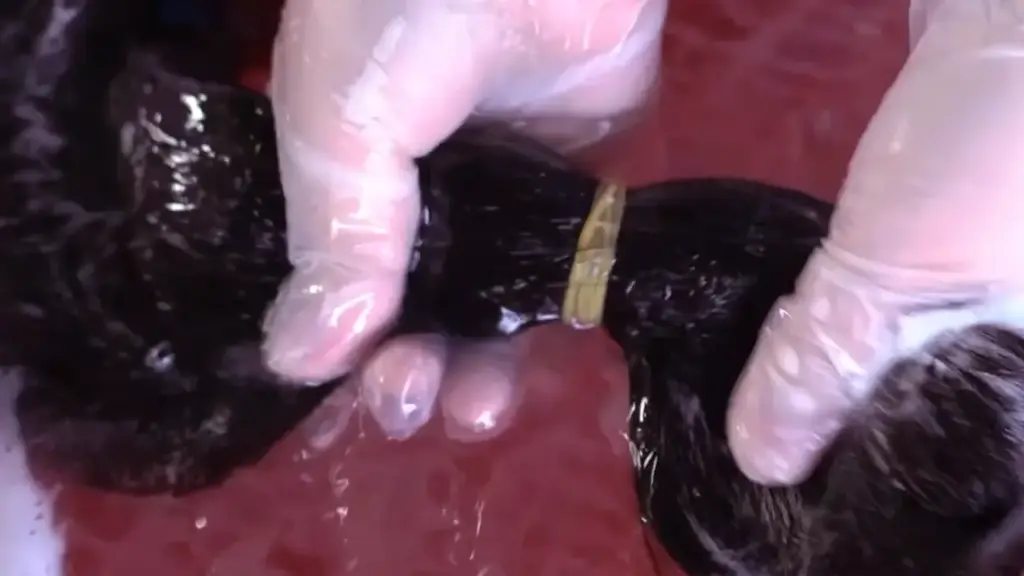
Why it matters: Color variation is difficult to correct after a unit reaches a salon or client. A stored formula and controlled process provide a repeatable reference and make shade deviations diagnosable instead of subjective.
Newtimes Hair’s Inside the Factory YouTube playlist provides useful visual context for the kinds of processes buyers may ask to see live, including hair grading, dyeing, sample color matching, base construction, knotting, density control, and quality inspection. Public videos are a starting point, not a substitute for a buyer-directed audit of current production.
Base construction and ventilation
For men’s hair systems and toupees, request evidence that workers are following the approved specification for:
- base design and dimensions;
- lace, mono, or skin material;
- polyurethane perimeter width and placement;
- front contour;
- knot or injection method;
- hair direction and ventilation pattern;
- density by zone;
- parting, crown, and freestyle requirements;
- clips or other added components.

Ask the factory to measure a work-in-process unit on camera and compare the result with its work order. For density, color, length, curl, and base dimensions, the supplier should have defined methods and tolerances. “Our experienced workers can tell by eye” is not enough for repeatable wholesale supply.
Finishing and final inspection
Why it matters: Final inspection is the release decision before goods leave the factory. A product-specific checklist and a visible route for rework or corrective action show whether defects are identified, contained, and learned from.
Ask to see the actual final-inspection checklist. A hair-system-specific review may include:
- correct model or customer work order;
- base material, design, dimensions, and front contour;
- hair type, length, color, gray percentage, and curl;
- density and distribution by area;
- hair direction, part, and crown;
- knotting, injection, stitching, or bonding condition;
- excessive shedding, tangling, odor, discoloration, or residue;
- base damage, exposed edges, weak seams, or incomplete coating;
- cleanliness, dryness, packaging, labels, and included documentation.
Then ask to see the nonconforming-product area, rework records, and a recent corrective-action example. A factory that claims it never finds defects is usually revealing a weak inspection culture, not perfect production.
Stage 4: Test capacity, delivery control, and change management
A tour shows that a facility exists. It does not prove that it can deliver your volume on time.
Why it matters: A facility can look busy and still miss delivery dates. Capacity and change-control evidence connects the factory tour to your actual order risk: whether the supplier can plan your volume, handle peak periods, and notify you before a material or process change.
Request evidence that connects capacity claims to real operations:
- number of active production workers or workstations by critical process;
- typical shifts and working days;
- current work-in-process volume;
- production planning method;
- recent on-time delivery data;
- peak-season constraints;
- maintenance and downtime records for important equipment;
- backup plan for material shortages, labor constraints, or delayed subcontractors;
- rules for prioritizing rush, stock, and custom orders.
Do not demand confidential customer names. The supplier can redact them while retaining dates, quantities, product families, planned completion dates, and actual completion dates.
Also ask what requires buyer approval before a change. The written agreement should cover changes to hair grade, origin, base material, chemical process, color formula, knotting method, subcontractor, packaging, and production site. Silent substitution is a major sourcing risk.
Stage 5: Run a controlled pilot across multiple batches
The audit is incomplete until physical products support the story.
Why it matters: A single sample proves that one unit can look right; a multi-batch pilot tests whether the supplier can repeat the result. It also reveals how the supplier communicates and investigates issues before a larger order makes those problems expensive.
Do not evaluate only one “perfect” sample. A better pilot is:
- Approve a detailed specification sheet and a physical golden sample.
- Order a small set of comparable units.
- Where practical, split the pilot across different production dates or batches.
- Measure every unit using the same inspection method.
- Record delivery time, packaging, documentation, and communication—not only the product.
- Report at least one controlled question or minor issue to test how the supplier investigates and responds.
Your pilot comparison should cover the factors that affect salon service and client complaints:
- base size and construction;
- color and gray percentage;
- length and curl;
- density by zone;
- front appearance and hair direction;
- shedding and tangling under your agreed test method;
- ease of cutting, fitting, and styling;
- repeat-order consistency;
- response time and quality of root-cause analysis.
Keep one approved sample and signed specification on each side. Photographs are helpful, but physical reference samples reduce arguments about color, density, feel, and workmanship.
Remote hair system factory audit checklist
Use pass, conditional pass, or fail. Legal identity, factory access, traceability, and pilot consistency should be mandatory gates rather than points that can be offset by a good sales presentation.
Why it matters: The table turns a conversation into a decision record. Treating identity, access, traceability, and pilot consistency as gates prevents a persuasive sales presentation from offsetting a basic control failure.
| Audit area | Evidence to request | Pass signal |
| Legal identity | License, registration number, addresses, contract entity, bank beneficiary | Names and relationships are consistent and independently verifiable |
| Factory relationship | Ownership or lease evidence, management structure, subcontractor disclosure | The supplier clearly explains who controls each critical process |
| Quality system | Procedures, responsibilities, certificate verification, audit or review records | Documents match the facility and are used in current operations |
| Traceability | Material lot, work order, in-process records, final QC, shipment label | One item can be traced backward and forward without gaps |
| Raw materials | Hair and base specifications, incoming inspection, quarantine | Approved and rejected materials are identified and segregated |
| Process control | Color formula, work instructions, density and measurement methods | Workers use current specifications and recorded controls |
| Final QC | Product-specific checklist, defect classification, release authority | Random products are checked against defined acceptance criteria |
| Capacity and delivery | WIP, planning records, recent delivery performance, backup plan | Claims are supported by records and realistic constraints |
| Customization | Approved sample, stored specifications, change-control process | Repeat orders can be reproduced, and changes require approval |
| IP and customer protection | NDA, design ownership, access controls, subcontractor rules | Designs and customer data have written protection |
| After-sales | Complaint intake, evidence requirements, root cause, remedy, escalation | Responsibility, response, and remedies are clear before ordering |
| Pilot performance | Multi-unit or multi-batch comparison and service trial | Product and supplier behavior remain consistent beyond one sample |
What are the red flags when sourcing hair systems from China?
Why it matters: Red flags matter as patterns, not isolated accusations. Several connected inconsistencies across documents, live observations, and samples can indicate weak control or unclear accountability and should trigger more evidence before payment.
China has highly capable hair-product manufacturers, but distance and fragmented production can make weak controls harder to see. The following signals deserve investigation wherever a supplier is located:
- The supplier refuses a live tour or permits only edited video.
- The factory name at the entrance does not match the seller’s explanation.
- The contract entity, invoice entity, and bank beneficiary are inconsistent without documentation.
- The business scope or address does not align with the claimed manufacturing operation.
- The supplier cannot explain which processes are subcontracted.
- Certificate images are blurred, cropped, expired, or missing a verifiable number and scope.
- The same QC report is reused for every shipment.
- Workers cannot locate the current specification or work order.
- Raw hair, base materials, work in progress, or rejected goods have no lot or status identification.
- The sample is excellent, but the supplier discourages a small multi-batch pilot.
- The supplier guarantees any specification, any volume, and any delivery date without discussing constraints.
- Quality is described only with adjectives such as “premium,” “top,” or “best,” without tolerances or inspection methods.
- The factory has no visible quarantine, rework, or nonconforming-product process.
- Material or process changes can be made without buyer approval.
- The supplier will not provide a written complaint, warranty, return, or remake process before payment.
- Sales staff answer every technical question, while production and QC employees are unavailable.
- The supplier pressures the buyer to skip verification and send a large irreversible payment quickly.
- Information changes across the website, quotation, sales conversation, and contract.
One red flag may have an innocent explanation. Several connected red flags usually indicate a system problem.
Does a remote audit replace an on-site or third-party factory audit?
Not always.
A remote audit is strongest for legal and document review, management interviews, traceability tests, selected live observations, and follow-up checks. It is weaker when the buyer needs an unrestricted view of a large or complex facility, deeper social-compliance verification, confidential record access, or extensive random sampling.
The ISO/IAF remote-audit guidance recommends deciding whether the objective can be achieved fully remotely, partly remotely with later on-site work, or not remotely at all. Use an independent third-party audit when order value, customization, regulatory exposure, intellectual property, or business continuity risk justifies it.
How Newtimes Hair buyers can start their verification
Newtimes Hair provides several public starting points for due diligence:
- Quality & Compliance
- Custom Hair Systems
- Return Policy
- Shipping Policy
- Customer Copyright Protection
- Inside the Factory video playlist
These resources help a buyer prepare better questions. They should still be supplemented with current certificates, written specifications, live evidence, and a pilot suited to the buyer’s product and market.
For a professional account or a supplier-verification discussion, contact Newtimes Hair or apply for a pro account and request a current audit pack for the product category you plan to buy.
Final takeaway
The best factory audit is not the one with the longest checklist. It is the one that tests the supplier’s claims across independent evidence.
Verify the legal company. Watch current production live. Trace a real order. Interview people outside the sales team. Compare records with physical products. Test more than one unit or batch. Put changes, delivery, and after-sales rules in writing.
Factory ownership can make control easier, but only a functioning quality system makes supply dependable.
Also read:
About the author
Alf Hou has been a hair-system specialist since 2018 and works with Newtimes Hair on quality review and product guidance. His work examines how these products are built, how they perform in use, and how professionals can care for and troubleshoot them. He translates product and manufacturing details into practical guidance for salons, distributors, and cross-border partners.
Connect with Alf Hou on LinkedIn