



- Quick Guide: Match the Cleaning Method to the Hair System
- Before You Start
- How to Remove Glue From a Skin or Poly Hair System
- Before Reapplying the Hair System
- How to Remove Glue or Tape Residue from a Lace Hair System
- How to Remove Adhesive from Human Hair
- How to Tell Whether the Hair System Is Ready for Reattachment
- When to Stop Cleaning and Inspect the Unit
- Common Hair-System Adhesive Removal Mistakes
- The Goal: A Clean, Dry, and Undamaged Base
- About the Author
- FAQs
How to Remove Glue and Tape Residue From a Hair System or wig
- Quick Guide: Match the Cleaning Method to the Hair System
- Before You Start
- How to Remove Glue From a Skin or Poly Hair System
- Before Reapplying the Hair System
- How to Remove Glue or Tape Residue from a Lace Hair System
- How to Remove Adhesive from Human Hair
- How to Tell Whether the Hair System Is Ready for Reattachment
- When to Stop Cleaning and Inspect the Unit
- Common Hair-System Adhesive Removal Mistakes
- The Goal: A Clean, Dry, and Undamaged Base
- About the Author
- FAQs
For both hair system professionals and end users, removing tape or glue residue takes a lot of patience. So, how?
The short answer is: glue and tape residue should be softened before it is removed from a hair system. Do not scrape a thin skin base, pull adhesive through lace, or comb hardened glue out of human hair. The correct method depends on where the residue is located and whether the base is skin, poly, lace, or mesh.
For skin and poly systems, apply a compatible remover and gently roll or wipe away the softened adhesive. For lace systems, release the lace before treating the remaining residue. If adhesive has transferred into the hair, isolate the affected strands, soften the residue, and detangle from the ends upward.
This guide focuses on cleaning a detached hair system. If the unit is still attached, first follow our guide to removing a hair system and cleaning the scalp.
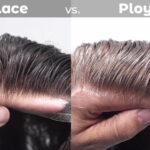
Quick Guide: Match the Cleaning Method to the Hair System
| Where is the residue? | What to do | What to avoid |
| Skin or poly base | Apply a compatible remover, wait until the adhesive softens, then roll or wipe it away | Scraper cards, fingernails and forceful rubbing |
| Lace or mesh base | Release the lace first, support the mesh on a clean towel, then treat the remaining residue | Pulling the lace or brushing it with a nail brush |
| Human hair | Isolate the affected strands, soften the residue and detangle from the ends upward | Combing through hardened adhesive |
| Bonding area before reattachment | Remove all oil, solvent, adhesive and moisture | Applying new adhesive to a damp or oily surface |
If the residue does not release with light pressure, stop and apply a more compatible remover rather than increasing force.
Before You Start
Work in a well-ventilated area away from heat, sparks, and open flames. Read the current directions and warnings on the remover before using it. Patch-test an unfamiliar product on a small, inconspicuous part of the base when the manufacturer recommends testing.
Do not use adhesive remover on cut, broken, or irritated skin. If a client reports burning, persistent redness, or another unexpected reaction, stop the service and follow the product label or seek appropriate medical advice.
Prepare:
- A remover that is compatible with the base and adhesive
- Lint-free wipes
- A mild shampoo suitable for the hair system
- Conditioner for hair lengths, if needed
- A wide-tooth comb
- A clean towel
- A wig stand or drying stand
- Gloves when required by product instructions
Avoid metal tools, scraper cards, fingernails, fine-tooth combs, and stiff nail brushes on delicate bases.
How to Remove Glue From a Skin or Poly Hair System
Skin and poly bases have a smooth bonding surface, so softened adhesive can usually be rolled or wiped away. However, thin skin can stretch or tear when too much force is applied. The safest approach is to support the base, soften the adhesive thoroughly, and clean one small area at a time.
1.Make Sure the System Is Fully Detached
Do not begin cleaning while part of the hair system is still bonded to the scalp. Release the system gradually and do not pull against resistance.
For the full detachment and scalp-cleaning process, follow our guide to hair-system removal and scalp cleaning.
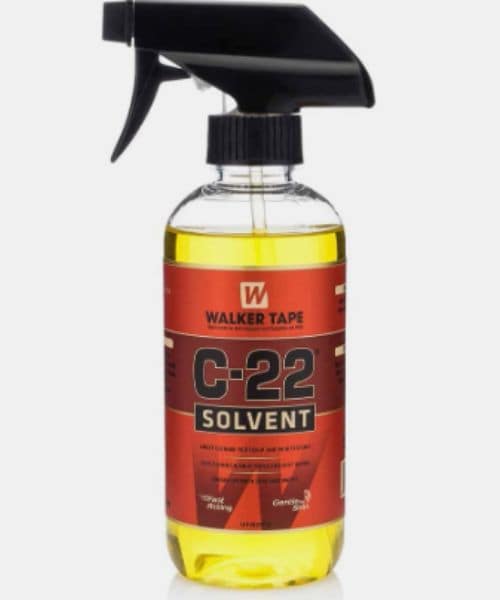
If using Walker Tape C-22, follow the current manufacturer’s directions. Walker Tape identifies Walker Tape C-22 Solvent as an oil-based adhesive remover for hair systems and states that release time depends on the amount of adhesive buildup. It is flammable and should be used with adequate ventilation and away from ignition sources.
If part of the system is still attached to the scalp, do not pull it away while the adhesive is resisting.
2.Soften the Adhesive
Place the detached system base-side up on a clean towel. Apply a compatible adhesive remover to the residue, concentrating on the bonding area instead of saturating the entire unit.
Wait until the adhesive becomes soft enough to move with light pressure. Release time varies according to the adhesive, the amount of buildup, and the remover being used.
If you are performing a full C-22 solvent soak, Walker Tape’s current directions specify approximately 5–30 minutes depending on the system and adhesive. That range applies to its solvent-soak instructions; it is not a universal waiting time for every remover or every hair system.
If the adhesive remains firm, apply more remover and wait. Do not compensate by scraping harder.
3.Roll or Wipe Away the Softened Residue
Hold the base close to the area being cleaned so it does not stretch. Use a lint-free wipe or a gloved fingertip to roll the softened adhesive inward.
Work on one small section at a time. Replace the wipe when it becomes coated with adhesive.
Stop if the base begins to wrinkle, stretch, thin, or distort. Apply more remover and allow additional release time before continuing.
Do not use a scraper card, fingernail, or metal tool on a thin skin base.
4.Wash Away the Remover
After the visible adhesive has been removed, rinse and shampoo the system according to the remover manufacturer’s instructions. The purpose of this wash is to remove solvent, oil, and loosened adhesive from the base and hair.
Support the base while washing. Use gentle downward strokes through the hair instead of rubbing, twisting, or bunching the system.
Rinse thoroughly. If the base still feels oily, slippery, or tacky, repeat the wash before reattachment.
One useful option is SheaMoisture Residue Remover Shampoo
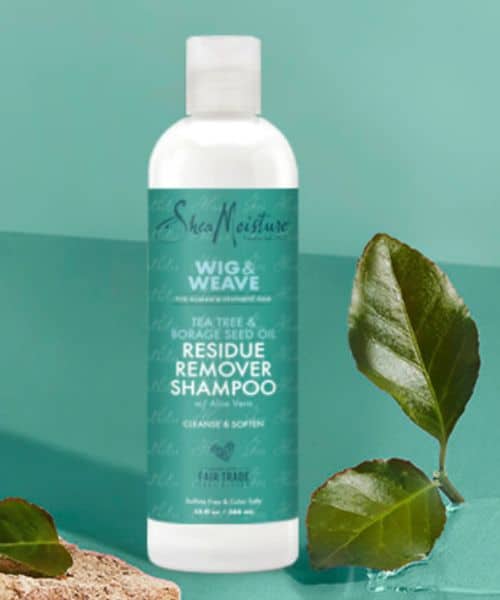
SheaMoisture describes this as a sulfate-free residue-removing shampoo for synthetic and natural hair that can help remove excess buildup from bonding glue after a wig or weave is removed. The brand specifically identifies Tea Tree and Borage Oil in the product.
Work gently through the hair rather than rubbing, twisting, or bunching the strands together.
5.Condition the Hair Lengths
Apply conditioner only after the base has been cleaned and rinsed. Concentrate the conditioner on the mid-lengths and ends of the hair.
Keep heavy conditioner, oil, and silicone-rich products away from the bonding surface unless the hair-system manufacturer specifically approves them for that area. Residue on the bonding surface can weaken the next attachment.
Rinse according to the conditioner directions.
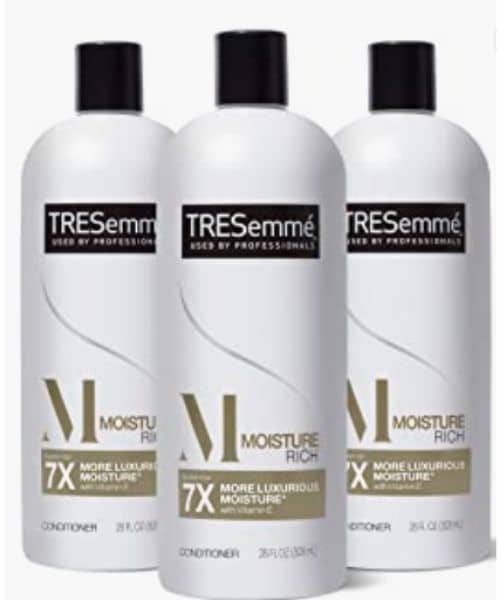
TRESemmé conditioner is currently marketed by TRESemmé as a moisturizing conditioner for dry hair and is designed for all hair types.
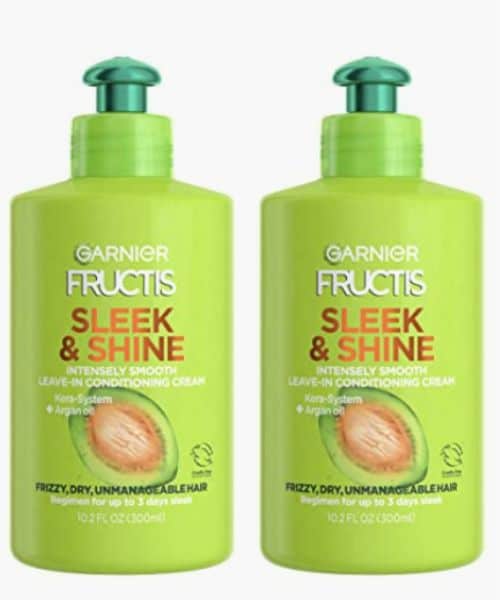
Another option is Garnier Fructis Sleek & Shine Leave-In Conditioner. Garnier currently formulates the product with argan oil and vegan keratin and recommends applying it mainly from the mid-lengths to the ends.
6.Dry the System Completely
Blot the hair and base with a clean towel. Do not twist or wring the unit.
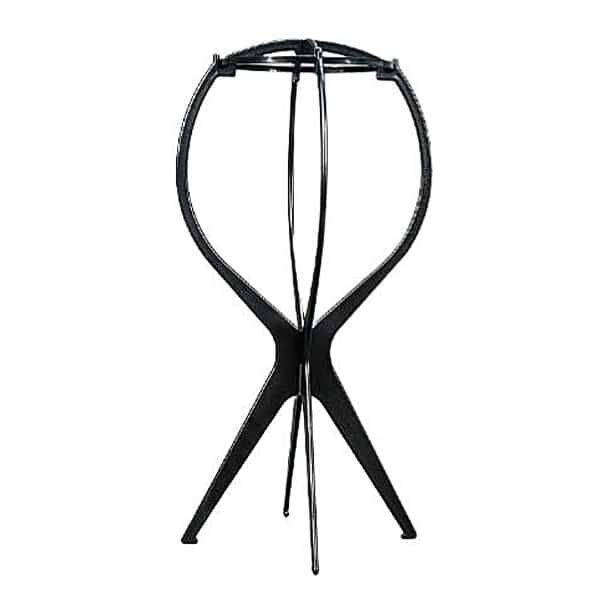
Place the system on a suitable wig stand and allow the base to dry completely before applying new tape or liquid adhesive. A bonding surface that feels cool, damp, oily, or tacky is not ready for reattachment.
7.How to Remove Tape Residue From a Skin or Poly Base
Tape should release after the adhesive underneath it has softened. Do not lift one corner and pull the strip across the base while it is still strongly bonded.
- Place the detached system base-side up on a clean towel.
- Apply a compatible remover around and over the old tape.
- Wait until an edge lifts with minimal resistance.
- Hold the base close to that edge and slowly roll the tape back over itself.
- Apply more remover if resistance increases.
- Roll or wipe away the remaining adhesive.
- Shampoo and rinse the base until it no longer feels oily or tacky.
If the tape pulls the base upward, stop. The adhesive has not released enough.
Tape residue on poly is usually easier to control than adhesive trapped in lace, but the base still needs gentle handling.
Before Reapplying the Hair System
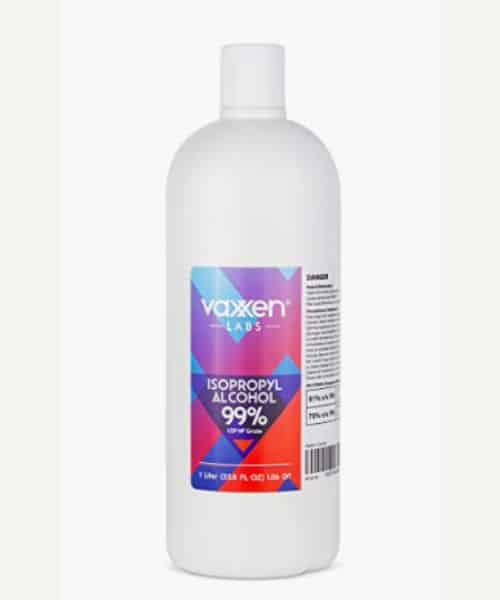
Once the hair system is clean and completely dry, make sure the scalp is also properly prepared before applying fresh tape or adhesive. After any remaining adhesive has been removed from the scalp, 99% isopropyl alcohol. can be used as a final scalp-prep step to help remove surface oils and light residue. Allow the scalp to dry completely before applying new adhesive. Do not use 99% isopropyl alcohol as the primary adhesive remover for the hair system itself, and avoid applying it to broken or irritated skin.
How to Remove Glue or Tape Residue from a Lace Hair System
Lace and mesh bases require a gentler approach than skin or poly because adhesive can settle into the openings in the material. Pulling or scrubbing too firmly may stretch the lace, loosen the knots, or cause shedding. The safest method is to release the lace first, support the base throughout the process, and soften the remaining residue before removing it.
Release the Lace Before Cleaning It
If the lace is still attached, apply a release product intended for mesh systems before lifting the unit. Work gradually from one edge and do not pull against resistance.
Walker Tape describes Lace Release as an alcohol-based product intended to release mesh systems. Its current directions say to spray it on the bonded area, wait approximately one minute, and then gently lift the system.
An alcohol-based remover can still be used.
Lace Release is intended to separate the lace from the adhesive. It is not designed to complete the entire adhesive-cleaning process, so remaining residue may require a compatible follow-up remover.
Soften the Remaining Adhesive
Place the detached lace system on a clean towel with the base visible and supported.
Apply a compatible adhesive remover to the affected area. If C-22 is used, follow the current label directions and thoroughly wash the oil-based residue from the system afterward.
Allow the adhesive to soften. Blot or roll the loosened residue away while supporting the lace underneath.
Do not scrape the lace, drag a fine-tooth comb across the mesh, or scrub it with a nail brush. If adhesive remains inside the mesh openings, repeat the softening step instead of increasing pressure.
Wash and Dry the Lace
Shampoo the base and hair gently to remove the remover and loosened adhesive. Support the lace during washing and avoid rubbing the mesh against itself.
Apply conditioner mainly to the hair lengths rather than the bonding area. Rinse thoroughly.
Blot the unit with a towel and allow it to dry completely on a suitable stand. Inspect the lace for stretched areas, enlarged openings or loose knots before reattachment.
After the adhesive and solvent residue have been removed, rinse the unit gently with cool or lukewarm water.
How to Remove Adhesive from Human Hair
Adhesive that has transferred from the base into the hair should be softened before combing. Pulling a comb through hardened residue can break the hair or pull it from the base.
- Separate the affected strands from the rest of the unit.
- Apply a small amount of compatible remover to the adhesive rather than coating the entire hair system.
- Allow the residue to soften.
- Hold the hair above the affected area to reduce tension on the base.
- Use your fingers or a wide-tooth comb to work from the ends upward.
- Shampoo the treated area thoroughly.
- Condition the mid-lengths and ends if needed, then rinse and dry the system.
If the adhesive is close to lace knots or the hair begins shedding, stop and have the system inspected by an experienced hair replacement professional.
How to Tell Whether the Hair System Is Ready for Reattachment
Do not apply new tape or liquid adhesive until all five statements below are true:
- No visible pieces of old tape or glue remain.
- The bonding surface does not feel oily, slippery, or tacky.
- The base is completely dry.
- The base lies flat without stretched or distorted areas.
- The hair around the bonding surface is clean and out of the way.
If any item fails, repeat the appropriate cleaning or drying step before reattachment.
When to Stop Cleaning and Inspect the Unit
Stop cleaning instead of applying more force if:
- Thin skin begins to stretch, wrinkle, or tear
- Lace openings become enlarged
- Knots loosen, or hair begins shedding from the base
- The base changes shape
- The adhesive does not soften after the approved process is repeated
- The client’s scalp shows persistent redness, broken skin, or an unexpected reaction
A damaged base or irritated scalp should be assessed before the system is reattached.
Common Hair-System Adhesive Removal Mistakes
- Pulling before the adhesive has softened: This can stretch thin skin, distort lace, and pull hair from the base.
- Using a scraper card or fingernail: Hard edges can score or tear a delicate base.
- Treating lace like poly: Lace must be supported and cleaned with minimal pulling.
- Combing hardened adhesive: Soften residue before using fingers or a wide-tooth comb.
- Leaving oil or solvent on the bonding area: Residue can weaken the next attachment.
- Applying conditioner to the bonding surface: Conditioner can leave a film that interferes with adhesion.
- Extending the soak indefinitely: Follow the remover’s current instructions instead of assuming that longer is safer.
- Reattaching a damp system: The base must be completely clean and dry.
The Goal: A Clean, Dry, and Undamaged Base
Successful adhesive removal is not measured only by whether the visible glue or tape is gone. Before reattachment, the base should also be free from oil, solvent, and moisture, with no stretched skin, enlarged lace openings, or loosened knots.
For salons and hair replacement professionals, using the same base-specific cleaning and inspection process for every service can reduce avoidable damage, improve attachment consistency, and help each hair system remain serviceable for longer.
About the Author
Alf Hou is a hair system and hair replacement specialist with Newtimes Hair. With an in-depth background in hairpiece construction, base materials, and maintenance troubleshooting, he creates practical, salon-tested guides to help hair studios, stylists, and wearers maximize the longevity, realism, and comfort of their hair systems. His work focuses on bridging technical manufacturing insights with safe, everyday hair care solutions.FAQs
How do you remove glue from a hair system without damaging it?
Apply a remover that is compatible with the adhesive and base, allow the residue to soften, and roll or wipe it away with light pressure. Do not scrape thin skin, pull lace, or comb through hardened adhesive.
How do you remove tape residue from a skin or poly hair system?
Apply adhesive remover around the old tape and wait for the bond to soften. Once it releases easily, slowly peel or roll the tape away. If it still pulls on the base, apply more remover instead of forcing it off.
Can C-22 be used on lace and poly hair systems?
Yes. Walker Tape currently lists C-22 as suitable for all hair-system types. However, lace requires gentler handling than poly because the mesh can stretch and the knots can be stressed.
How long should you leave adhesive remover on a hair system?
There is no universal release time. It depends on the remover, adhesive, amount of buildup, and base construction. Follow the product label. For a C-22 solvent soak, Walker Tape currently specifies approximately 5–30 minutes depending on the system and adhesive.
Can 99% isopropyl alcohol be used to soak a hair system?
No. Walker Tape describes 99% isopropyl alcohol primarily as a scalp-preparation and light-cleanup product and states that it should not be used to soak or remove a hair system. Keep it away from heat, sparks and open flames, and do not use it on broken or irritated skin.
How long should adhesive remover stay on a hair system?
There is no universal waiting time. It depends on the remover, adhesive, amount of buildup, and base construction. Follow the current product label. For a C-22 solvent soak, Walker Tape currently specifies approximately 5–30 minutes, depending on the system and adhesive.
How do you know when a hair system is ready for reattachment?
The base should have no visible adhesive, oiliness, tackiness, or moisture. It should lie flat without stretched or damaged areas. Do not apply new adhesive until the bonding surface is completely clean and dry.
Does the same cleaning process apply to a lace-front wig?
The same base-first principles apply. Release the lace before lifting it, support the mesh during cleaning, soften the remaining residue, and avoid stiff brushes or scraping tools. Follow the wig manufacturer’s instructions for the hair.