



- Key Takeaways
- Common Myths About Hair Systems vs Truths: A Fast Reality Check
- Myth 1: Hair Systems Look Fake. Truth: No, only if the Setup is Wrong.
- Myth 2: Hair Systems Are for Older Men. Truth: No, They are for Both the Younger and Older
- Myth 3: Wigs and Hair Systems Are the Same. Truth: They Are Similar, but Not Identical
- Myth 4: Hair Systems are Uncomfortable. Truth: Comfort Depends on the Base, Fit, and Routine
- Myth 5: Hair Systems Fall Off. Truth: No, They Do Not Just Fall Off During Normal Life
- Myth 6: Hair Systems are Hard to Maintain. Truth: Maintenance Is Not Hard, but It Is Not Magic Either
- Myth 7: Hair Systems are Costly. Truth: Human Hair Systems Can Be Worth the Cost
- What Newtimes Hair Can Offer
- About the Author
7 Common Myths About Hair Systems: What’s True About Hair System Options and Wigs
- Key Takeaways
- Common Myths About Hair Systems vs Truths: A Fast Reality Check
- Myth 1: Hair Systems Look Fake. Truth: No, only if the Setup is Wrong.
- Myth 2: Hair Systems Are for Older Men. Truth: No, They are for Both the Younger and Older
- Myth 3: Wigs and Hair Systems Are the Same. Truth: They Are Similar, but Not Identical
- Myth 4: Hair Systems are Uncomfortable. Truth: Comfort Depends on the Base, Fit, and Routine
- Myth 5: Hair Systems Fall Off. Truth: No, They Do Not Just Fall Off During Normal Life
- Myth 6: Hair Systems are Hard to Maintain. Truth: Maintenance Is Not Hard, but It Is Not Magic Either
- Myth 7: Hair Systems are Costly. Truth: Human Hair Systems Can Be Worth the Cost
- What Newtimes Hair Can Offer
- About the Author
Heard about the common myths about hair systems and wigs? Quick Answer: Modern hair replacement is not what people think.
A lot of people still judge hair systems by bad movie toupees, shiny costume wigs, and old stories from guys who never tried a modern solution.
That is the problem.
Most fear comes from outdated information. Today, a good hair system can look natural, feel light, and fit into normal life. The catch? It has to be chosen well, fitted well, and maintained well. That part matters.
Newtimes Hair works with hair replacement businesses, wholesalers, private-label brands, and professional buyers, so we see the same doubts again and again. Men worry the front will show. Buyers worry clients will complain. First-time wearers worry everyone will stare.
Fair concerns. But most of them have practical answers.
Key Takeaways
- Modern hair systems can look natural when the color, density, base, hairline, and cut are chosen correctly.
- Hair systems are not only for older men. Many younger men use them for early thinning, receding hairlines, or crown coverage.
- Wigs and hair systems are related, but they are not always the same. Wigs often cover more of the head, while systems are usually designed for closer daily wear and blending.
- Comfort depends on the base design, fit, adhesive, scalp care, and maintenance routine.
- A properly bonded system should not fall off during normal life, including work, travel, light exercise, and daily activity.
- Human hair systems and human hair wigs can be worth the cost when realism, styling flexibility, and everyday confidence matter.
- The biggest secret is not the product alone. It is the full setup: base + bond + hair quality + cut + maintenance.
Common Myths About Hair Systems vs Truths: A Fast Reality Check
First, let’s start with a side-to-side comparison.
Claim People Believe | The Practical Truth |
Hair systems always look fake | A good match in color, density, base, and haircut can look very natural. |
They are only for older men | Men of many ages use them, including younger men with early thinning. |
Wigs and systems are the same | Some overlap exists, but daily bonded systems are usually designed for closer fit and integration. |
They feel hot and itchy | Comfort depends on base design, fit, adhesive, scalp care, and maintenance. |
They fall off easily | Professional bonding and regular servicing make systems secure for daily life. |
Human hair options cost too much | Quality human hair can be worth it when realism, styling, and durability matter. |
Bottom line: The product is only half the story. The fit, cut, bond, and care routine does the heavy lifting.
Myth 1: Hair Systems Look Fake. Truth: No, only if the Setup is Wrong.
Let’s start with the big one: “hair systems look fake.”
Sometimes they do. Let’s not pretend otherwise. Bad color, too much density, a harsh front line, or a poor cut-in can make any piece look obvious.
But that is not proof that hair systems are fake-looking. It is proof that details matter.
A natural result usually comes from five things:
Color match. The shade must work in daylight, not just under salon lighting.
Density. Too much hair can be worse than too little. Real hair is not perfectly thick everywhere.
Hairline design. A soft, graduated front usually looks more believable than a wall of hair.
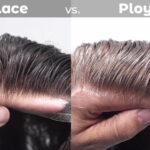
Base choice. Lace, poly, mono, and hybrid systems all behave differently on the scalp.
Cut and styling. The final haircut has to blend with the wearer’s face, age, and remaining hair.
This is why Newtimes Hair offers different base designs, natural-looking front options, stock units, custom systems, and human hair choices. The goal is not to make someone look like a different person. The goal is to make the result look like their own hair on a very good day.
Myth 2: Hair Systems Are for Older Men. Truth: No, They are for Both the Younger and Older

Another myth says this is only for older men.
Nope.
Hair loss can start early. Some men notice thinning in their 20s. Others begin losing density in their 30s or 40s. Some are not bald at all, but their crown or front hairline is so weak that it bothers them every morning.
And honestly, waiting until things feel “bad enough” is a strange rule. Nobody says you must wait until your teeth are completely crooked before using braces. Nobody says you must wait until your vision is terrible before getting glasses.
A hair system can help men at different stages:
Men with early thinning may use partial systems.
Men with advanced loss may use more extensive coverage.
Men in public-facing jobs may want a consistent look.
Men who tried fibers, hats, or awkward styling may want something more stable.
This is not only about vanity. It is about feeling normal in photos, at work, on dates, in meetings, and in daily life. That matters more than people like to admit.
Myth 3: Wigs and Hair Systems Are the Same. Truth: They Are Similar, but Not Identical
People often mix up wigs, hair wigs, toppers, toupees, and hair systems. No wonder the topic feels confusing.
A wig usually covers most or all of the head. Many wigs are removable and are used for fashion, medical hair loss, convenience, or full coverage. Human hair wigs can look beautiful, especially when the cap construction, hair quality, and styling are right.
A hair system is often designed to replace hair in a specific area, such as the top, crown, front, or full scalp. Many systems are bonded with tape or adhesive and worn for days or weeks before servicing.
So yes, there is overlap. Some hair wigs and systems use similar human hair. Some use lace or skin-like materials. Some are custom-made. But the wearing experience can be different.
A good daily system is not just something placed on the head. It is measured, cut, attached, blended, and styled for the wearer.
That is the part many wig myths miss. The result depends less on the label than on the construction, fit, and use case.
Refer to our related article: Wig vs Toupee, What are the Differences?
Myth 4: Hair Systems are Uncomfortable. Truth: Comfort Depends on the Base, Fit, and Routine
The next myth is that systems are hot, itchy, or annoying all day.
A bad one can be. So can bad shoes.
But a well-selected system should not feel like a helmet. The base matters. Lightweight lace can be breathable. Thin skin can give a clean scalp-like look and easy cleanup. Mono or reinforced designs can add durability. Hybrid systems can balance comfort, realism, and strength.
The right choice depends on the wearer.
Someone who sweats a lot may need a breathable base and a shorter maintenance cycle. Someone who wants easy cleaning may prefer a thin skin design. Someone who needs longer wear may need stronger construction.
Itching is usually not “just how it is.” It can come from scalp oil, adhesive buildup, poor cleaning, sensitive skin, or wearing the unit too long between services.
A good hair replacement professional or supplier should help match the system to the lifestyle, not just sell whatever is on the shelf.
Myth 5: Hair Systems Fall Off. Truth: No, They Do Not Just Fall Off During Normal Life
This myth has done real damage.
People imagine wind, sweat, or an awkward hug causing disaster. But modern attachment is much better than the old cartoon version.
A properly bonded hair system can handle normal daily wear. Work, errands, dinners, travel, light rain, and gym sessions are not automatically a problem. Many wearers exercise, shower, and live normally.
The real rule is simple: security comes from preparation and timing.
The scalp should be clean before attachment. The adhesive or tape should match the wearer’s skin and lifestyle. The bond should be refreshed before it breaks down. The system should be removed gently, cleaned properly, and reattached on schedule.
Can a system loosen? Yes. If someone uses the wrong adhesive, sweats heavily, skips maintenance, or leaves it on too long, problems can happen.
That is not failure. That is maintenance being ignored.
Myth 6: Hair Systems are Hard to Maintain. Truth: Maintenance Is Not Hard, but It Is Not Magic Either
Another myth says systems are impossible to care for.
They are not. But they do need care. This is hair, after all. Even growing hair needs washing, conditioning, brushing, and styling.
A simple routine usually includes:
- Use gentle shampoo and conditioner made for replacement hair.
- Brush carefully, especially when the hair is damp.
- Avoid heavy oils near the bond area.
- Limit high heat unless the hair type allows it.
- Keep the scalp clean between services.
- Follow a regular reattachment or professional maintenance schedule.
That is one list. And it is enough.
Human hair systems and human hair wigs usually give more styling freedom than many synthetic options. You can often create a more natural movement and finish. But human hair still needs moisture, protection, and careful handling because it is no longer growing from the scalp.
Think of it like a good leather jacket. It can last and look great, but not if you treat it like a plastic raincoat.
Myth 7: Hair Systems are Costly. Truth: Human Hair Systems Can Be Worth the Cost
Let’s talk money.
Some people hear “custom” or “human hair” and assume it is not worth it. That is not always true.
A cheaper option may work for short-term use, testing, or simple styling needs. But for daily wear, realism and comfort matter. Human hair can often look softer, move better, and offer more natural styling. Human hair wigs can also be a strong choice for full coverage when the construction is right.
The better question is not, “What is the cheapest?”
The better question is, “What result do I need, and how often will I wear it?”
For hair replacement businesses and wholesalers, this matters even more. A client who wants a natural front, reliable density, and repeatable quality may need better materials and better production control. Newtimes Hair supports stock and custom options, plus wholesale and private-label buyers who need consistency across orders.
Some hairpieces may be covered by Medicare. Refer to our related article on how to get your hair system covered by insurance.
A poor match is expensive even when the unit is cheap. It costs time, trust, and repeat business.
What Newtimes Hair Can Offer
For hair replacement businesses and professionals, the biggest problem is not just finding hair systems. It is having the right options ready when clients need them.
Newtimes Hair keeps a large inventory to support professional hair replacement demand, from everyday replacement needs to more specific client requests. Professionals can choose lengths from 5″ to 20″ and density options from 80% to 135%, with custom choices available for clients who need a more exact match.
That gives hair replacement businesses more flexibility. You can stock popular systems, handle urgent appointments, and still order custom pieces when color, density, base design, or coverage needs are more specific.
Hair replacement businesses, professionals, wholesalers, and private-label buyers can log in or register with Newtimes Hair to access discounted wholesale deals.
About the Author

Julia Griffiths is a seasoned stylist, barber, educator, and Newtimes Hair author/reviewer. She owns Crosscuts Barbers and runs Hair Revival Training, where she teaches CPD-accredited men’s hair system courses for stylists.