

- Key Takeaways: Choosing a Lightweight Hair Topper
- How to Choose a Lightweight Hair Topper Without Over-Covering the Crown
- Hair Topper Basics: What a Lightweight Topper Should Actually Do
- Measure Your Thinning Area Before Choosing a Topper Size
- Base Type: Mono, Lace, Silk, or Clipless Hair Toppers for Thinning Hair
- Hair Length and Density: Why 120%-130% Can Cover the Scalp Without Looking Bulky
- Color Match: the Quiet Detail that Makes Human Hair Toppers Look Natural
- Selecting Human Hair Toppers, Synthetic Toppers, and Wigs
- How to Choose a Lightweight Hair Topper Female Clients Will Actually Wear
- How to Choose a Lightweight Hair Topper for Short Hair
- Product Notes from Newtimes Hair: MT3x5, Eloise 4.75x6.5, and MT5x6.5
- Styling After Washing: Side Swoop Bangs, Middle Part, and Side Part
- What is the Most Natural-Looking Hair Topper?
- What are the Disadvantages of Hair Toppers?
- How to Choose a Lightweight Hair Topper - Reddit Advice Gets Right and Wrong
- Final Thoughts on Choosing a Lightweight Hair Topper
- About the Author
- FAQs
How to Choose a Lightweight Hair Topper for Partial Crown Coverage: Tips on Choosing a Natural Hair Topper
- Key Takeaways: Choosing a Lightweight Hair Topper
- How to Choose a Lightweight Hair Topper Without Over-Covering the Crown
- Hair Topper Basics: What a Lightweight Topper Should Actually Do
- Measure Your Thinning Area Before Choosing a Topper Size
- Base Type: Mono, Lace, Silk, or Clipless Hair Toppers for Thinning Hair
- Hair Length and Density: Why 120%-130% Can Cover the Scalp Without Looking Bulky
- Color Match: the Quiet Detail that Makes Human Hair Toppers Look Natural
- Selecting Human Hair Toppers, Synthetic Toppers, and Wigs
- How to Choose a Lightweight Hair Topper Female Clients Will Actually Wear
- How to Choose a Lightweight Hair Topper for Short Hair
- Product Notes from Newtimes Hair: MT3x5, Eloise 4.75x6.5, and MT5x6.5
- Styling After Washing: Side Swoop Bangs, Middle Part, and Side Part
- What is the Most Natural-Looking Hair Topper?
- What are the Disadvantages of Hair Toppers?
- How to Choose a Lightweight Hair Topper - Reddit Advice Gets Right and Wrong
- Final Thoughts on Choosing a Lightweight Hair Topper
- About the Author
- FAQs
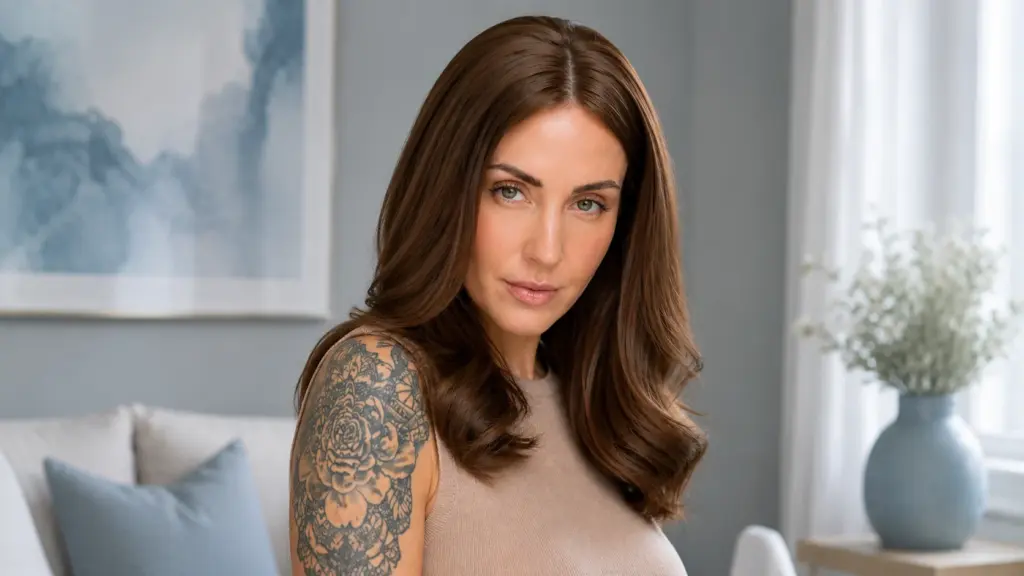
How to choose a lightweight hair topper to cover just the top of the crown: most people do not need a huge topper when their hair loss is just taking place in a small crown area. They need the right hair topper. That usually means light and small coverage. All they need is a believable base, with hair of the right color and enough density to hide the small section of the crown without making the top look fake.
A lot of women suffering from early-stage hair loss make the same mistake. As soon as they start to see their scalp at the crown, they’d panic a bit. Then, after a rushed decision, they buy a hairpiece for the coverage. And it might be too big, too thick, or too “perfect.” Then the topper sits on the head like it has its own personality. Not ideal.
The better move is calmer: measure first, match second, choose comfort third, then think about style.
At Newtimes Hair, this topic came up from one of our real client conversations. She operates a hair replacement clinic, and asked about one of our small-sized hair toppers to cover a small section of the crown. She did not want something super full that covers the whole top. She just wanted a small/palm-size topper that looked like her own natural hair, just with the scalp hidden.
That is the sweet spot for a lightweight hair topper for partial crown coverage.
Key Takeaways: Choosing a Lightweight Hair Topper
- Choose the smallest base that fully covers the thinning crown area and clips into strong surrounding hair.
- For the lightest Newtimes Hair option, start with Eloise 4.75 × 6.5 because it has 100% density and a breathable mono base.
- MT5x6.5 is better for wider crown thinning when the wearer still wants a breathable daily-wear topper.
- MT3x5 is best described as a small/palm-size crown topper, not the lightest topper, because it has a compact base but fuller 130% density.
- A natural result depends on size, color match, density, base type, and comfort, not just how much hair the topper has.
How to Choose a Lightweight Hair Topper Without Over-Covering the Crown
The best lightweight topper covers the thinning spot, not the wearer’s whole identity. If the crown is the only issue, start with a small or medium base size, then check whether the clips can attach to strong surrounding hair.
A hair topper should do one job well. It should cover your thinning area, blend with the surrounding hair, and sit comfortably all day. It should not feel like a full wig unless the client actually needs full coverage.
This is where many buyers get tricked by fear. They think bigger means safer.
Usually, bigger just means hotter, heavier, and harder to blend.
For a small crown section, a small hair topper, such as a 3×5 hair topper, can be enough. For wider crown thinning, a 5×6.5 base may make more sense. The right answer depends on the size of the thinning spot and how strong the hair remains around it.
Hair Topper Basics: What a Lightweight Topper Should Actually Do
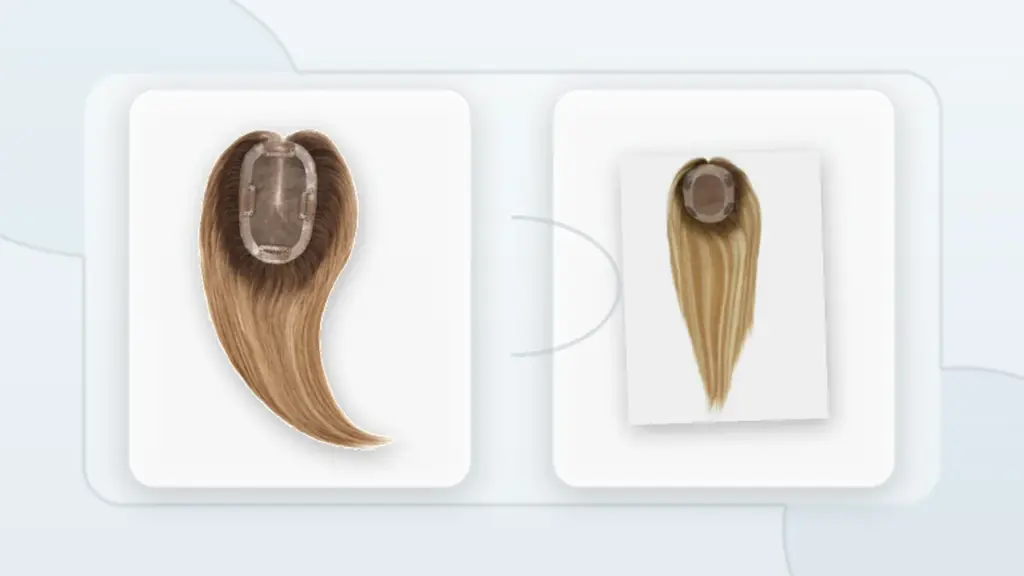
A lightweight hair topper should add coverage and volume without shouting, “Hello, I am a hairpiece.” That is the whole point.
A good topper should blend with the client’s natural hair in four ways: color, density, texture, and movement. Miss one of those, and the eye catches it. Maybe not right away. But eventually, yes.
Small/Palm-size Topper vs Full Top Coverage
A small/palm-sized topper is for early or localized thinning hair. Think crown, part line, or a small visible scalp patch.
A full top topper is different. It is for wider hair loss across the top, usually when the wearer needs more coverage from front to crown.
This matters because the wrong topper size creates a weird tradeoff. Too small, and the scalp still shows. Too large, and the piece may feel heavy or look too full.
Nobody wants either version of that drama.
Measure Your Thinning Area Before Choosing a Topper Size
Measure the thinning zone before choosing a topper. Use a soft tape. Check front-to-back length and side-to-side width, then add enough room so the clips land on stronger surrounding hair, not fragile shedding areas.
This is also where salons should slow clients down a little. A client may say, “It’s just a tiny spot.” Maybe it is. Maybe it is not. The tape does not care about feelings. The tape tells the truth.
Width, Length, and Clip Placement Matter
For partial crown coverage, width matters as much as length. If the visible scalp spreads sideways, a narrow base may fail even if the front-to-back measurement looks fine.
A practical rule: the base should cover the visible scalp and give the clips enough healthy hair to hold. If the clips pull on weak hair, comfort dies fast.
And comfort matters more than people admit.
Base Type: Mono, Lace, Silk, or Clipless Hair Toppers for Thinning Hair
The base type controls breathability, realism, attachment, and daily comfort. Mono bases are durable and breathable. Silk bases can create a very natural scalp effect. Lace is soft and light. PU perimeters help with clips, tape, glue, and easier cleanup.
For partial crown use, a mono base with a PU edge is often a practical choice. It gives the stylist room to attach clips or adhesive, and it holds its shape well.
Clipless Hair Toppers for Thinning Hair are not Always the First Answer
Clipless hair toppers for thinning hair can be useful when clips are uncomfortable or when the client has very fragile hair. But clipless does not automatically mean better.
Some clients do well with clips. Some need tape. Some need a glued perimeter. Some need a totally different solution.
The point is not to chase a trend. The point is to protect the client’s remaining hair and make the topper wearable.
Hair Length and Density: Why 120%-130% Can Cover the Scalp Without Looking Bulky
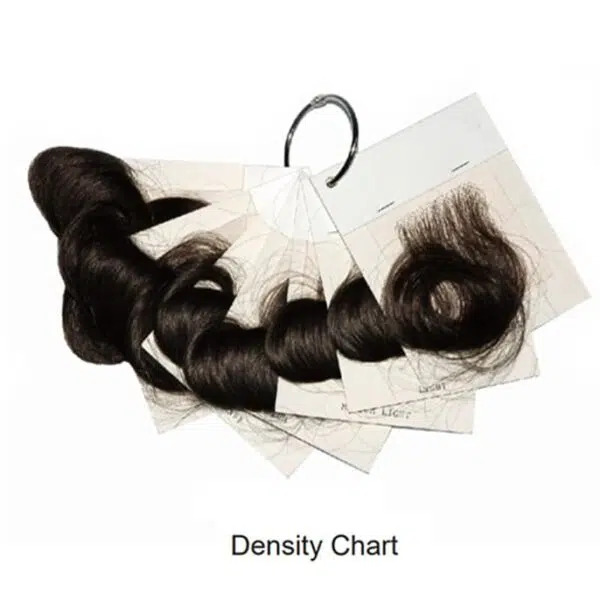
For many crown cases, 120%-130% density gives enough volume to cover the scalp without creating a helmet effect. It is not super full. It is not flat. It is the middle lane, which is often where the most natural result lives.
This is why Newtimes Hair’s MT5x6.5 at 120% density and MT3x5 at 130% density can be useful for crown coverage. The density helps hide the scalp, while the base keeps the topper targeted.
How Many Grams Should a Hair Topper Be?
Do not choose a hair topper by grams alone. Choose by comfort, base size, density, and coverage need.
Yes, grams matter. A lighter piece usually feels easier for daily wear. But a low-weight topper that does not cover the scalp is not a win. And a heavy topper that looks amazing for ten minutes but annoys the client all day is also not a win.
Comfort over fantasy. Every time.
Color Match: the Quiet Detail that Makes Human Hair Toppers Look Natural
A good color match is what makes human hair toppers disappear into the client’s own hair. The base can be perfect. The density can be perfect. But if the color is off, the whole thing looks off.
Human hair gives stylists more control than synthetic fibers because it can often be cut, toned, curled, or styled more like real hair. Still, the safest choice is to match as closely as possible before any salon adjustment.
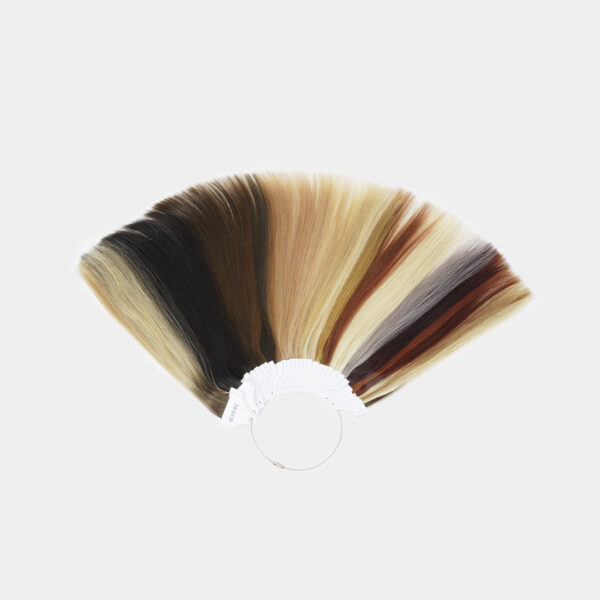
Match Natural Hair Color, Texture, and Shine
Color is not just “brown” or “blonde.” It is root shade, mid-length tone, ends, grey, highlights, warmth, and shine.
Hair texture matters too. Straight, silky human hair will not blend with coarse, wavy natural hair unless the stylist plans the finish. That is not a small detail. That is the whole game.
Selecting Human Hair Toppers, Synthetic Toppers, and Wigs
Selecting between human hair toppers, synthetic toppers, and wigs depends on the client’s hair loss stage, styling habits, and budget. For a small crown area, human hair toppers usually give the most flexible and natural result.
Synthetic toppers can be easier to maintain and more budget-friendly. But they usually offer less heat-styling freedom and may not move like human hair.
Human Hair Toppers vs Synthetic Toppers
Human hair toppers are best when the wearer wants styling freedom, a softer blend, and a more realistic finish. They can be cut and shaped with the client’s own hair, which is especially useful for short hair or layered styles.
Synthetic toppers can work for simple styles. But if the client wants side swoop bangs, a middle part, or a side part after washing, human hair is usually easier to reset and restyle.
Toppers vs Wigs for Partial Crown Coverage
Toppers are not wigs. That is the part people often miss.
Wigs cover the whole head. Toppers cover a targeted area and blend with the wearer’s existing hair. For partial crown coverage, toppers usually feel lighter and more natural than wigs because they do less.
Less can be better.
But if hair loss spreads across most of the top or the sides, wigs may become more secure and comfortable than forcing clips into weak hair.
How to Choose a Lightweight Hair Topper Female Clients Will Actually Wear
A female client will wear a lightweight topper only if it feels like part of her routine. If it hurts, pulls, shines, slips, or looks too full, it will sit in a drawer. Expensive drawer decoration. Very glamorous. Completely useless.
This is why the consultation matters. Ask how she wears her hair. Ask where the scalp shows. Ask if she wants more volume or just coverage. Ask whether she needs daily wear or occasional wear.
Hair Toppers for Women Should Solve Comfort First
Hair toppers for women should not punish the wearer for wanting to feel normal. The best result is not the fullest result. It is the one she forgets about during the day.
That usually means a breathable base, secure attachment, realistic density, and a natural finish around the part.
How to Choose a Lightweight Hair Topper for Short Hair
For short hair, the topper must be cut and blended more carefully. Long hair hides mistakes. Short hair reports them immediately.
A lightweight hair topper for short hair should have a compatible length, soft ends, and enough density near the crown to cover the scalp without creating a thick shelf.
Short Hair Needs Clean Blending at the Ends
If the client has short hair, the stylist may need to trim the topper into layers. This helps the topper hair fall into the client’s cut instead of sitting above it.
A 10-inch, 12-inch, or 14-inch option can work depending on the haircut. The goal is not just matching length. The goal is to match the shape.
Product Notes from Newtimes Hair: MT3x5, Eloise 4.75×6.5, and MT5x6.5
Newtimes Hair offers several human hair toppers that fit different crown coverage needs. The key is not “which one is best?” The key is “which one fits this client’s thinning pattern?”
Newtimes Hair Option | Best Fit | Base and Density | Why it Helps |
MT3x5 | Small crown spot | 5" x 3" mono top with poly perimeter, 130% density | Good for a small/palm-size topper need when the client does not want to cover the whole top |
Eloise 4.75x6.5 | Light, refined daily wear | 4.75" x 6.5" mono base, 100% density | Good for a softer, lighter look with cuticle-aligned Mongolian Remy hair |
MT5x6.5 | Wider crown thinning | 5" x 6.5" mono base with 1" PU perimeter, 120% density | Good when the thinning area is larger and needs more stable coverage |
MT3x5 for a Small Hair Topper and 3×5 Hair Topper Crown Need
MT3x5 is the obvious conversation starter for a client who asks for a small crown topper. Newtimes Hair lists it as a mono hair topper with a PU perimeter, Chinese Remy Hair, 130% density, and a 5″ x 3″ base.
That 130% density matters. It can help cover the wearer’s scalp without turning the crown into a mountain.
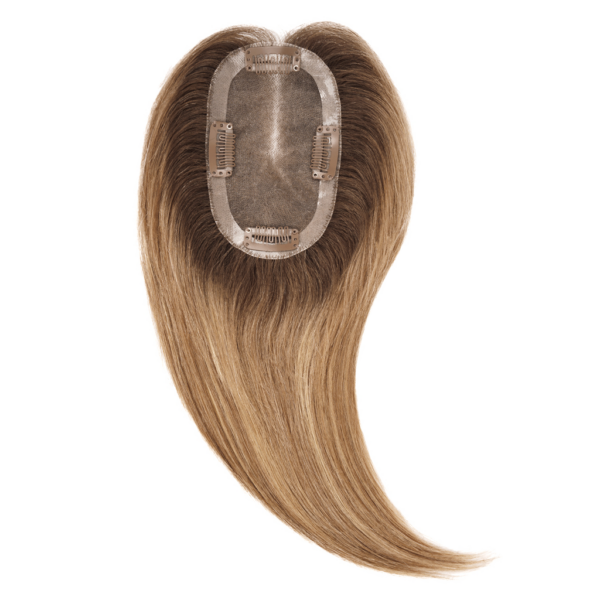
Eloise 4.75×6.5 for a Softer, Lighter Look
Eloise 4.75×6.5 is a better fit when the client wants a lighter, more refined daily-wear result. Newtimes Hair lists Eloise with a 4.75″ x 6.5″ mono base, 100% density, and Prime Mongolian Remy Hair.
It is not the choice for someone who wants a big volume. It is the choice for someone who wants the topper to feel believable.
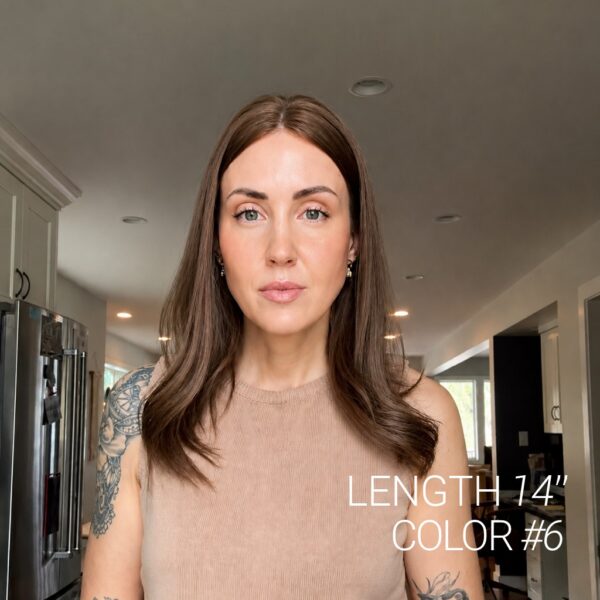
MT5x6.5 When the Area Grows Beyond the Palm
MT5x6.5 works when your thinning area is larger than a small crown spot. Newtimes Hair lists MT5x6.5 with a 5″ x 6.5″ mono base, 120% density, and 100% Chinese Remy human hair.
This is the better move when a tiny topper would leave exposed scalp around the edges.
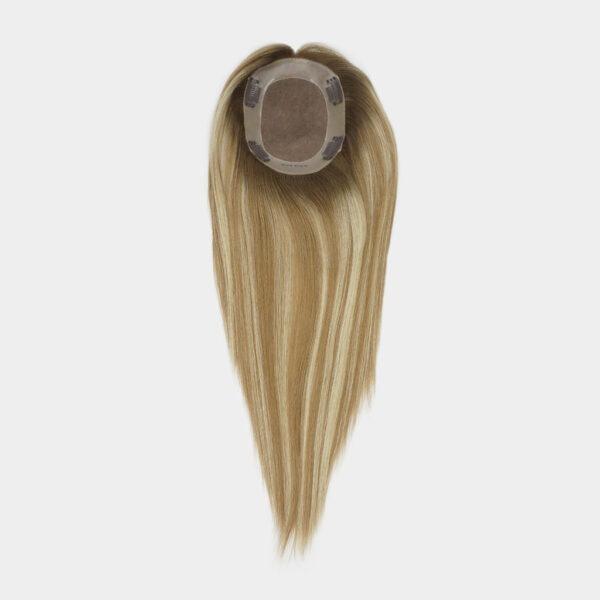
Have a thorough look at Newtimes Hair’s inventory of human hair toppers at wholesale discounts to meet all your clients’ needs.
Styling After Washing: Side Swoop Bangs, Middle Part, and Side Part
Yes, a human hair topper can usually be styled into side swoop bangs, a middle part, or a side part after washing, especially when the base allows free parting. But the style should be set while the hair is damp and finished with proper drying.
This was one of the client’s real questions, and it is a good one.
After washing, the hair topper may not fall the same way it did out of the box. That does not mean something is wrong. It means the wearer or stylist needs to reset the direction.
Do the Part While the Topper Hair is Damp
For side swoop bangs, set the direction while damp, then blow-dry with light tension. For a middle or side part, place the part first, then dry the hair into position.
Do not blast it randomly and hope for elegance.
Hope is not a styling method.
What is the Most Natural-Looking Hair Topper?
The most natural-looking hair topper is usually a human hair piece with a realistic scalp effect, correct base size, matching color, matching texture, and density that fits the wearer’s real hair.
For partial crown coverage, “most natural” rarely means “biggest.” It means the topper covers the scalp and blends without adding strange height.
A silk top may look very scalp-like. A mono base may offer durability and breathability. A lace front may help if the front hairline is involved. For a crown-only client, the front hairline may not matter much at all.
That is why diagnosis beats guessing.
What are the Disadvantages of Hair Toppers?
The main disadvantages of hair toppers are clip tension, blending, color mismatch, maintenance, and the need for existing hair for support.
A topper is not magic. It is a tool. A good tool, yes. But still a tool.
If the client has very fragile, thinning hair, clips may pull. If the color is wrong, the blend fails. If the base is too small, the scalp shows. If the base is too big, comfort suffers.
The fix is not fear. The fix is better selection.
How to Choose a Lightweight Hair Topper – Reddit Advice Gets Right and Wrong
Reddit-style advice is useful when real wearers talk honestly about comfort, clip pulling, and whether a topper looks too full. That kind of lived experience matters.
But Reddit can also get messy fast. One person’s perfect hair topper may be wrong for another person’s hair loss stage, color, base needs, and daily routine.
Use Reddit for real-life warnings. Use a stylist or supplier for specs.
That balance is boring.
It is also smart.
Final Thoughts on Choosing a Lightweight Hair Topper
A lightweight hair topper should cover the scalp, blend with the wearer’s natural hair, and feel comfortable enough for real life.
For a small crown area, do not jump straight to full top coverage. Start by measuring the thinning zone. Then pick the right topper size, base type, density, color, and styling plan.
For Newtimes Hair options, MT3x5 is useful for small crown coverage, Eloise 4.75×6.5 suits a lighter, refined look, and MT5x6.5 is best for wider crown thinning. The best choice depends on the client’s actual scalp exposure.
Comfort wins.
Natural wins.
A topper that gets worn beats a “perfect” one that sits in a box.
About the Author
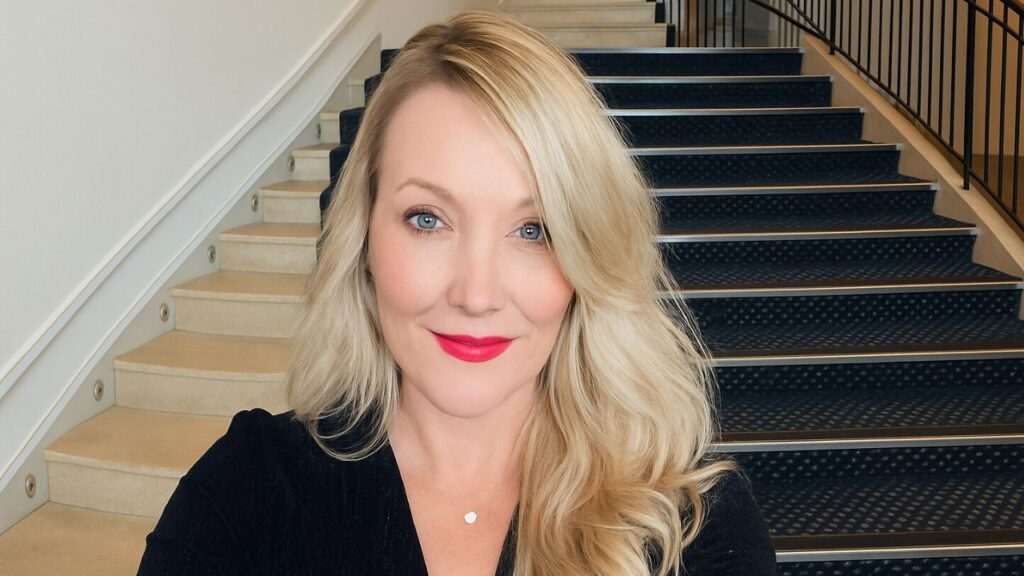
Julia Griffiths is a UK-based barber, educator, salon owner, and Newtimes Hair author/reviewer. She owns Crosscuts Barbers and runs Hair Revival Training, where she teaches CPD-accredited Men’s Hair Systems courses. With more than two decades of hands-on salon experience, Julia brings practical expertise in barbering, hair systems, Remy hair quality, and client-focused hair replacement education.