



- Quick Answer: Why Does a Reordered Hair System Look Different?
- Is the New Hair System Different, or Has the Previous Unit Changed?
- Which Hair System Specifications Should Be Checked on a Repeat Order?
- A Troubleshooting Table for Common Repeat-Order Differences
- What Should an HRC Do When a Repeat Hair System Appears Incorrect?
- How Can Multi-Location Hair Restoration Centers Keep Repeat Orders Consistent?
- How Does Newtimes Hair Support Repeat Hair System Orders?
- When Should a Hair Replacement Center Repeat the Same Specifications—and When Should It Change Them?
- Which Repeat-Order Option Offers the Best Value for Your HRC?
- Final Words: Repeatable Results Begin with Verifiable Specifications
- About the Author
- References
- Frequently Asked Questions
Why Does a Repeat Hair System Order Look Different? A Hair Replacement Center Checklist
- Quick Answer: Why Does a Reordered Hair System Look Different?
- Is the New Hair System Different, or Has the Previous Unit Changed?
- Which Hair System Specifications Should Be Checked on a Repeat Order?
- A Troubleshooting Table for Common Repeat-Order Differences
- What Should an HRC Do When a Repeat Hair System Appears Incorrect?
- How Can Multi-Location Hair Restoration Centers Keep Repeat Orders Consistent?
- How Does Newtimes Hair Support Repeat Hair System Orders?
- When Should a Hair Replacement Center Repeat the Same Specifications—and When Should It Change Them?
- Which Repeat-Order Option Offers the Best Value for Your HRC?
- Final Words: Repeatable Results Begin with Verifiable Specifications
- About the Author
- References
- Frequently Asked Questions
Does your repeat hair system order look different?
You ordered a hair system and liked it. Then you want to order it again, but when the next one arrives, the color looks warmer, and the front looks either fuller or scarcer, and the base sits differently compared to the previous one. You question whether you should order from the same supplier again.
Before making adjustments, the best thing to do is to compare the new one with the confirmed order and approved reference. The hair system looks different now; that reflects a product discrepancy, a change in the older unit, and it will make fitting and styling different.
This guide helps hair replacement centers work through those possibilities, collect useful evidence, and decide what needs clarification before the client’s appointment.
Quick Answer: Why Does a Reordered Hair System Look Different?
A reordered hair system can look different because the delivered specification differs, the previous unit has changed through wear, or the two systems are being compared under different conditions. Client requirements and salon finishing may also have changed.
Check the confirmed order, physical references, and original fitting record. Keep an unexplained mismatch unaltered while you ask the supplier to review it.
Is the New Hair System Different, or Has the Previous Unit Changed?
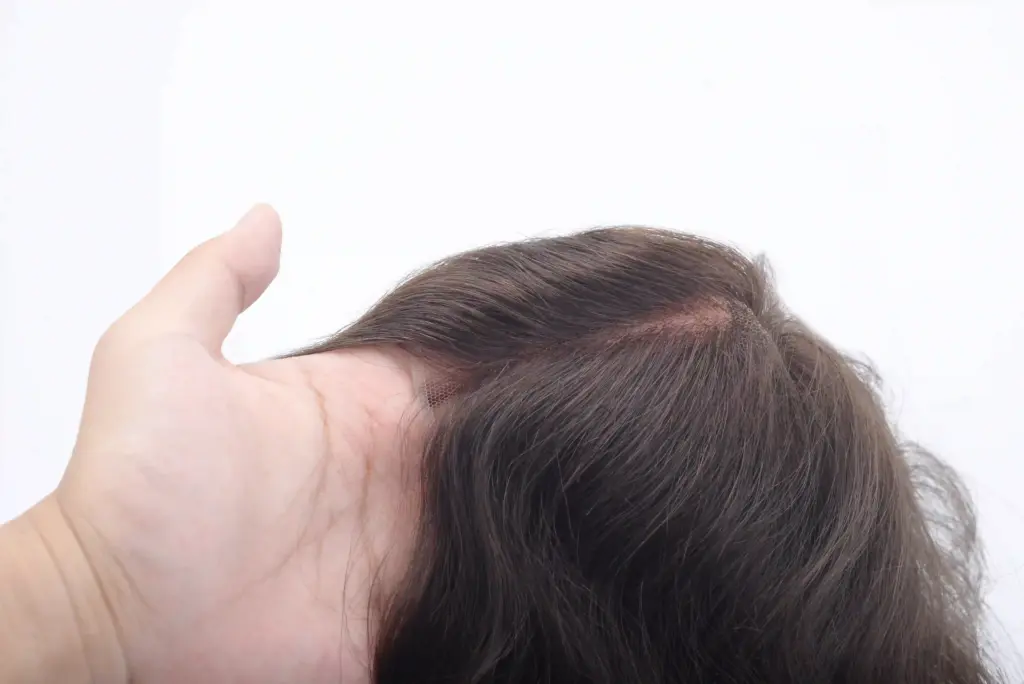
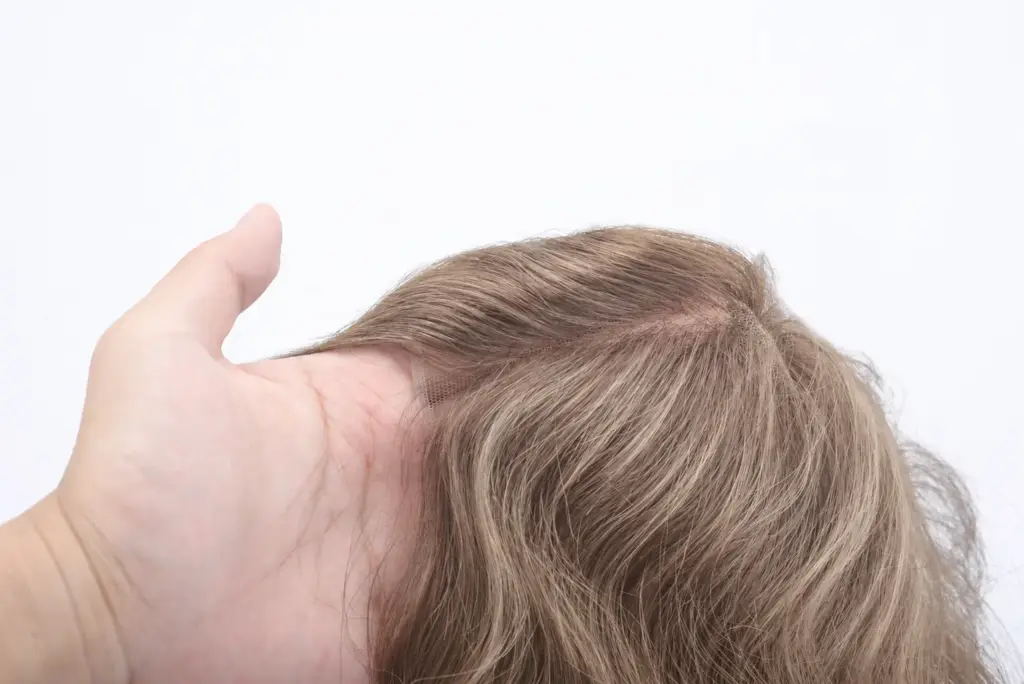
Before investigating a possible manufacturing problem, consider what has happened to the previous hair system since its original installation.
A client may have worn the same unit for several months. During that time, it may have been washed repeatedly, exposed to sunlight, styled with heat, trimmed, or subjected to regular attachment and removal.
These factors can affect its appearance.
Won-Soo Lee’s review, Photoaggravation of Hair Aging, describes how ultraviolet exposure can damage human hair fibers. It supports considering the condition of a worn human-hair system when comparing replacements, but it does not establish the cause of a mismatch in an individual order.
This creates an important distinction:
The previous unit shows what the client has been wearing. It does not necessarily show what the approved unit originally looked like.
For example, a returning client may complain that the replacement is darker than their previous system.
There are at least three possibilities:
- The new unit has a different hair color from the approved specification.
- The original system has lightened or changed in appearance through wear.
- The two units are being compared under different lighting conditions.
These situations require different responses.
Whenever possible, compare the new system against the original approved color reference, specification sheet, physical sample, or photographs taken when the previous unit was new.
That provides a more useful starting point than judging the replacement against an older unit alone.
Which Hair System Specifications Should Be Checked on a Repeat Order?
For repeat purchasing, the product model or SKU is only the starting point.
A hair system contains several characteristics that influence its appearance, fit, attachment, and styling.
Hair replacement centers should verify the following specifications when investigating a mismatch.
| Specification | What to verify | Why it matters |
| Order and reference version | Previous order number, confirmed specification date, template/sample identifier, and approved changes | Establishes which version the replacement should reproduce |
| Base size and contour | Ordered dimensions and units, approved template and contour, and separately recorded dimensions after salon trimming | Separates the supplied specification from the finished fit |
| Hair type and gray-fiber type | Approved hair type and whether gray fibers are human or synthetic | Prevents the shade code or gray percentage from becoming the entire specification |
The aim is not to make every client order unnecessarily complicated. It is to preserve the details that produced a successful result.
Hair Color: The Same Shade Number May Not Tell the Whole Story
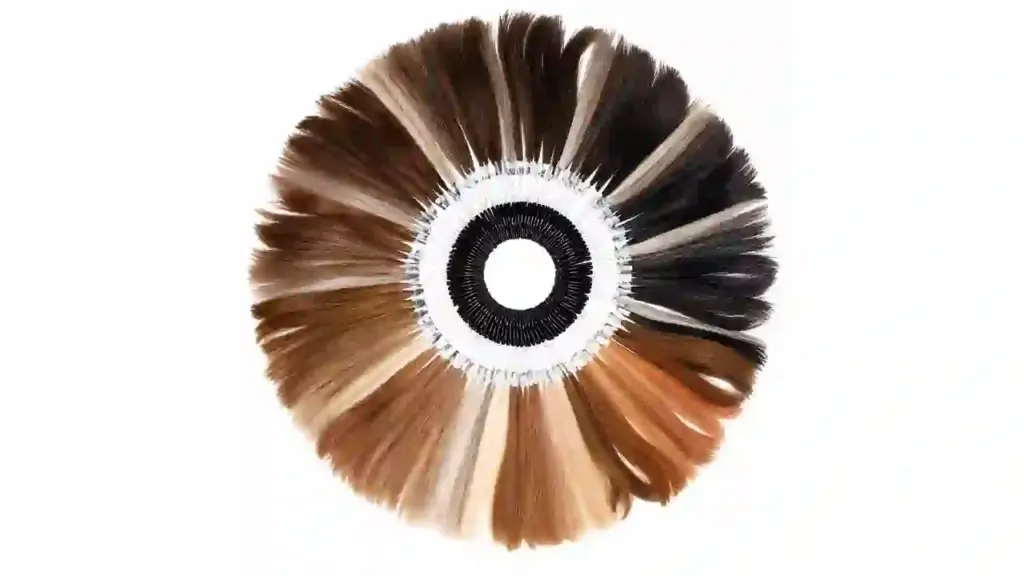
Color matching is particularly important when a hair system must blend with a client’s existing hair.
Professionals should distinguish between the shade specified in the purchase order and the color visible in the finished hairstyle.
Lighting, hair condition, undertones, and gray distribution may all affect how the result is perceived.
When assessing a suspected color mismatch:
- Check the original shade code and the applicable supplier color ring.
- Compare physical samples under consistent, neutral lighting.
- Confirm whether the approved order included mixed colors or a particular gray percentage.
- Check whether the client’s remaining hair has changed color since the original fitting.
Newtimes Hair recommends physical color rings or client hair samples for more accurate matching because colors shown on digital screens may vary.
Professionals can consult the Newtimes Hair Color Charts when preparing or checking an order.
Hair Density: Why Two Systems Can Appear Fuller or Thinner
Use the density percentage together with the supplier’s density reference and the approved distribution. The percentage alone does not describe how full the front, top, or crown should look.
Curl, hair direction, ventilation, and the final haircut can also change perceived fullness. When comparing suppliers, do not assume that the same percentage will produce the same appearance.
For repeat orders, an HRC should verify the approved density distribution and compare it with the supplier’s own density references or an approved sample.
If the unit looks too dense, do not immediately assume the wrong overall percentage was used. First determine whether the difference is concentrated at the hairline, crown, or another area.
Base Fit: Why the Same Dimensions May Not Produce the Same Fit
A base may have the correct stated width and length while still requiring attention to its shape or construction.
For custom hair systems, front contour, curvature, and the position of different materials can be important.
A hair replacement professional should examine the approved template, base dimensions, and construction details when a replacement appears to sit differently.
It is also worth reassessing the client before installation. Their coverage area, surrounding hair, or preferred hairline may have changed since the original fitting.
A fit issue is not automatically a manufacturing defect. It must be investigated against both the approved order and the client’s current requirements.
For more information on construction differences, see our guide to skin, lace, mono, and hybrid hair system bases.
Curl, Hair Direction, and Finishing: Check the Original Instructions
Two hair systems with the same length and color may produce different results if their curl patterns or hair directions are different.
The position of the crown, direction of ventilation, and parting instructions all influence the finished style.
Packaging and styling can also influence how the hair initially appears.
Before making adjustments, compare the new unit with the approved specifications and original photographs. If the difference is substantial or unclear, ask the supplier to review it before washing, heat-styling, cutting, or chemically treating the hair.
A Troubleshooting Table for Common Repeat-Order Differences
The following table can help hair replacement professionals identify what to investigate first.
It is a diagnostic starting point, not a final determination of whether a manufacturing defect exists.
| What the HRC notices | Possible explanations | First action |
| New system looks darker | Previous hair has faded; lighting differs; shade reference differs | Compare with original color sample |
| Hairline looks too dense | Front density distribution differs; hair direction or styling differs | Check approved front-density and ventilation details |
| Base does not sit correctly | Dimension, contour, template, or client-fit change | Compare base measurements and the approved template |
| Curl looks tighter | Different curl specification or initial styling condition | Verify approved curl reference before altering the hair |
| Hair falls in another direction | Different parting, crown, or ventilation instructions | Check the order record and construction |
| New unit appears much fuller | Previous unit has experienced wear or shedding; density may differ | Compare new-unit density with the approved reference |
| Edge is more noticeable | Base thickness, contour, material placement, or finishing differs | Check the construction and fitting plan |
A useful rule: investigate differences in measurable or documented specifications before trying to correct an appearance problem through styling.
If the wrong construction or specifications were supplied, cutting or coloring the unit may complicate the subsequent review.
What Should an HRC Do When a Repeat Hair System Appears Incorrect?
A consistent inspection process is particularly useful when several employees handle incoming orders, client consultations, or installations.
The following five-step process can help.
Step 1: Keep the Unit Unaltered Until the Difference Is Understood
If a new system appears significantly different from the approved order, avoid immediately cutting the base, trimming the hair, coloring it, or attaching it to the client.
First establish whether the difference relates to the order specification, the product received, or the expected finished appearance.
This also helps preserve the unit’s condition for any supplier assessment.
Step 2: Retrieve the Previous Approved Order
Locate the original purchase order, supplier order number, product model, and relevant specifications.
For a custom system, verify that the correct approved template or specification version was used.
For a stock system, confirm the complete variant rather than the product name alone.
Example: Newtimes Hair currently lists AERO (SKU: HS7) as a full French lace system, with published density options of 90%, 100%, and 110%. Recording “AERO” or “HS7” alone leaves out the selected density, color, and base size. Retain the complete order confirmation and check the availability of that exact combination when reordering
Compare the order confirmation with the delivered unit before deciding whether the difference arose during ordering or supply.
Step 3: Compare the New Unit Under Consistent Conditions
Photograph the new hair system and the available references under similar lighting.
When practical, record:
- The product label and order number.
- Base dimensions with a measurement reference.
- Front hairline and base construction.
- Hair color and gray distribution.
- Visible density differences.
- Curl, texture, and hair direction.
Avoid using filtered photographs as the main evidence for color matching.
If a physical sample was approved for the original order, include it in the comparison.
Use a separate entry for each unexplained difference so the supplier can compare your observation with the approved requirement.
| Inspection field | What to record |
| Order identity | Supplier order number, model/SKU, and delivery date |
| Approved requirement | Exact instruction and its order, template, or sample reference |
| Received condition | The observed difference, including measurements where relevant |
| Comparison conditions | Lighting, viewing angle, and whether the comparison unit is new or worn |
| Evidence | Label photograph, relevant close-up, and measurement photograph where useful |
| Alterations | Whether the base or hair has been cut, washed, colored, or installed |
| Requested clarification | The specific requirement you want the supplier to check |
| Review outcome | Agreed next action, responsible contact, and date |
Step 4: Identify the Type of Difference
A repeat-order concern will generally fall into one of three categories.
Order information issue: The reorder used an incomplete record, an incorrect variation, or outdated specifications.
Appearance or service-related issue: The difference is influenced by the worn condition of the previous unit, styling, fitting, or changed client requirements.
Potential product discrepancy: The received unit appears inconsistent with the confirmed specifications or approved sample.
Use these categories to organize the review. Where an acceptance tolerance was agreed, refer to that requirement. Do not invent a pass/fail threshold from photographs or treat an unexplained difference as acceptable simply because the unit is handmade.
Step 5: Contact the Supplier with Specific Evidence
When the difference cannot be explained by the order record or normal appearance factors, request a supplier review.
Provide the order number, approved specifications, and clear photographs showing the concern.
Explain what was expected, what arrived, and whether the unit has been altered.
For example, a more actionable inquiry would be:
Our repeat custom order appears to have a fuller front density than the previously approved specification. We have attached both order records and photographs of the unaltered replacement. Could you review the density and ventilation requirements against the approved reference before we proceed with the client’s installation?
Ask which requirement will be checked, whether further evidence or a physical inspection is needed, and what the next step will be. Obtain return authorization before sending the unit back.
This gives the supplier a specific issue to investigate instead of a general complaint that the product “looks different.”
For Newtimes Hair orders, professionals can contact their sales representative or use the Feedback and Complaints channel.
How Can Multi-Location Hair Restoration Centers Keep Repeat Orders Consistent?
For a single studio, product records may be managed by the owner or an experienced technician.
For a multi-location hair replacement business, the challenge becomes more complex.
A client may receive their first installation at one branch, maintenance at another, and their next replacement from a different team member.
Without a shared record, each employee may rely on an incomplete description of the previous successful result.
This can introduce avoidable inconsistencies.
Create One Approved Specification Record Per Client
Once a client is satisfied with a hair system, record the specifications responsible for the approved result.
The record should include the supplier’s product reference, base construction, measurements, hair characteristics, color reference, and approved custom instructions.
Keep photographs of the original fitting and any relevant physical samples.
For confidentiality, use an internal client reference instead of including unnecessary personal information in supplier communications.
Separate Product Specifications from Salon Finishing Instructions
These are related, but they are not the same.
The product specification describes what should be manufactured or supplied.
The salon finishing record describes how the professional trims, blends, positions, styles, and maintains that unit.
For example, two branches may receive the same correctly manufactured product, but different cut-in techniques can produce noticeably different final results.
Standardizing the product specification alone cannot eliminate variation in professional services.
Record Every Approved Change
Client preferences may evolve.
A returning client might want a softer front hairline, a lighter density, more gray hair, or a shorter hairstyle.
When a change is approved, record it as a new specification version rather than silently replacing the original reference.
This helps the next employee distinguish an intentional adjustment from an ordering error.
Verify the Next Unit Before the Appointment
Where practical, inspect replacement systems sufficiently early to allow time for supplier clarification.
For commonly reordered stock products, check availability and the exact variant before confirming the client appointment.
For custom hair systems, confirm the approved specifications and the current production estimate when placing the order.
A well-organized repeat-order process should reduce uncertainty—not imply that a supplier can guarantee every possible variation will always be immediately available.
How Does Newtimes Hair Support Repeat Hair System Orders?
Newtimes Hair supplies stock and custom hair systems for professional buyers. For custom reorders, we retain custom specifications and template samples, as described on our custom hair systems page.
That page also describes six inspection stages and 40 quality checkpoints. Before reordering, identify the approved reference and record any changes. When the replacement arrives, compare it with the confirmed order before installation.
When Should a Hair Replacement Center Repeat the Same Specifications—and When Should It Change Them?
Not every returning client should automatically receive an unchanged specification.
A repeat order is appropriate when the original base, color, density, fit, and hairstyle continue to meet the client’s needs.
But there are situations where an updated assessment is useful.
For example:
- The client’s surrounding hair has become thinner or grayer.
- Their hairline or coverage requirements have changed.
- Their preferred style is different.
- They want to change the balance between hairline realism, durability, and maintenance.
- The existing system is no longer comfortable or suitable for their current routine.
In these situations, an intentional specification change may be more appropriate than reproducing the previous unit without reassessment.
The important distinction is whether the change was requested and approved, or whether it occurred unexpectedly.
A reliable replacement program needs both repeatable specifications and professional judgment.
Which Repeat-Order Option Offers the Best Value for Your HRC?
Compare the next order against the client’s approved requirements and your actual purchasing conditions. A unit-price comparison is incomplete if the options involve different specifications, quantities, finishing work, or delivery arrangements.
Start with the following situations:
| Situation | Option to assess | What to confirm before buying |
| The existing stock variant still meets the client’s needs | Reorder that variant | Complete specification, availability, and any finishing services |
| The approved design requires non-stock specifications | Repeat the custom order | Correct template or sample, approved changes, quotation, and production estimate |
| You are considering a different product or supplier | Validate the proposed alternative before increasing volume | Specification interpretation, physical references, purchase conditions, and after-sales process |
For your own comparison, record the quoted product cost, shipping and applicable import charges, paid finishing, and any additional staff work the option requires. Record the quantity and mix of variants covered by each quote.
The best-value choice depends on which option meets the approved requirement at an acceptable total cost and delivery time. Neither stock nor custom is automatically the better purchase.
For the broader comparison, see stock versus custom hair systems.
Final Words: Repeatable Results Begin with Verifiable Specifications
For hair replacement centers, a successful repeat order is not simply another unit with the same product name.
It is a replacement that meets the client’s approved requirements and supports the professional’s intended service.
When a new hair system looks different, the first step should be to establish why. Compare the original specifications, assess the previous unit’s condition, examine the new product, and document any unexplained discrepancy.
That process helps professionals distinguish a genuine product concern from an ordering, styling, or client-fit issue.
For growing hair replacement businesses, especially those operating across multiple locations, documented specifications and consistent inspection practices are essential parts of dependable service.
Need help reviewing a repeat custom order?
Newtimes Hair works with professional hair replacement centers, studios, and stylists on stock and custom hair system requirements.
Contact Newtimes Hair about your custom or repeat order and share your existing order reference, approved specifications, and any questions about the next replacement.
About the Author

Alf Hou is a Hair Replacement Consultant at Newtimes Hair with industry experience dating back to 2018. He works with hair replacement centers, salons, stylists, and wholesale partners on product selection, custom specifications, base construction, and professional hair replacement solutions.
His work focuses on translating manufacturing and technical product knowledge into practical guidance that helps professionals make informed purchasing decisions and manage repeat client requirements.
Connect with Alf Hou on LinkedIn.
References
- Newtimes Hair. Custom Hair Systems: Product Specifications, Custom Manufacturing, and Repeat Orders. Official product and service information.
- Newtimes Hair. Hair Color Charts & Guidelines. Professional color references and matching recommendations.
- Newtimes Hair. Quality and Compliance. Manufacturing and quality-management information.
- Newtimes Hair. How Hair Replacement Centers Should Evaluate a Hair System Manufacturer. Professional supplier evaluation and specification verification.
- Lee, W.-S. (2009). Photoaggravation of Hair Aging. International Journal of Trichology, 1(2), 94–99. https://doi.org/10.4103/0974-7753.58551