



- Key Takeaways
- I. Matching Base Size to the Stage of Hair Loss
- II. Matching Base Type to Client Lifestyle and Aesthetic Goals
- III. How to Blend a Human Hair Topper Naturally
- Common Mistakes Stylists Should Avoid
- What Salon Professionals Should Look for in a Topper Supplier
- What Makes Newtimes Hair a Practical Option for Salon Buyers
- Final Thoughts
- FAQs on Hair Topper Matching
Professional Guide: How to Match the Best Human Hair Topper for Your Salon Clients
- Key Takeaways
- I. Matching Base Size to the Stage of Hair Loss
- II. Matching Base Type to Client Lifestyle and Aesthetic Goals
- III. How to Blend a Human Hair Topper Naturally
- Common Mistakes Stylists Should Avoid
- What Salon Professionals Should Look for in a Topper Supplier
- What Makes Newtimes Hair a Practical Option for Salon Buyers
- Final Thoughts
- FAQs on Hair Topper Matching
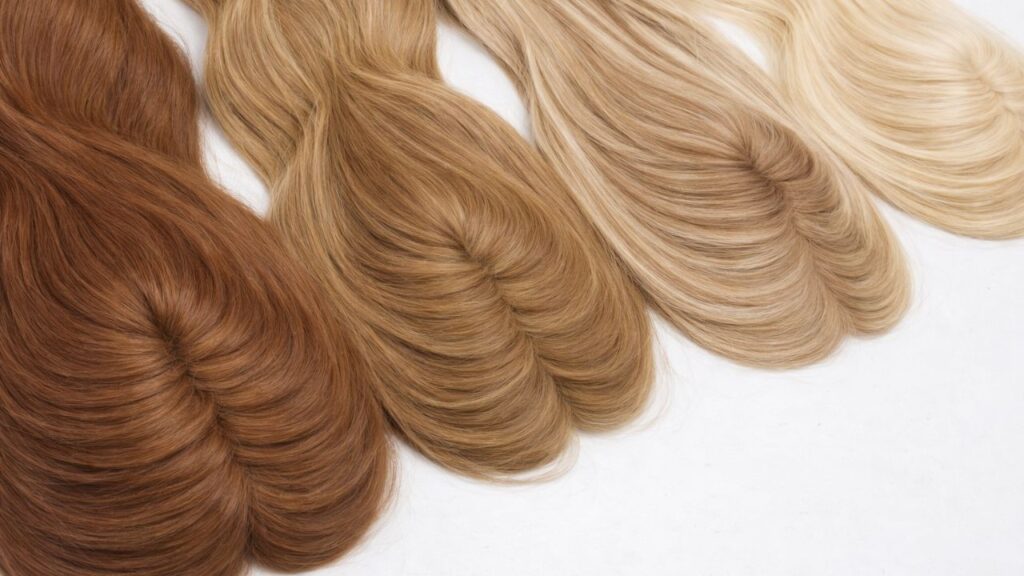
A perfect-matching human hair topper depends on three things: the stage of your client’s hair loss, the base size, and her lifestyle.
First, the size of the topper needs to be correct. So it fits exactly where the hair is thinning. Then, you need to consider the client’s priorities, such as realism, durability, her lifestyle, and how she is going to wear it.
In this guide, we’ll take a closer look at each of these things so that you can create a natural, seamless blend for your client.
Key Takeaways
- A matching human hair topper depends on hair loss stage, base size, and lifestyle needs.
- Choose the right base type for realism, comfort, and wear.
- Blend carefully through density, colour, and cut for a natural result.
- The best topper should look balanced, secure, and seamless.
I. Matching Base Size to the Stage of Hair Loss
Base size is one of the first decisions that can either make the fitting easier or create problems later. And the size of the area(s) the topper is going to cover is closely related to the stage of hair loss.
For example, if the client’s hair loss is at the progressive stage, and if the base is too small, there’s a risk that you clip the topper to the client’s hair that’s already thin and weak. This may cause traction alopecia. If the client is at the beginning stage and the cap is too big, the topper will not sit as cleanly as it should.
Here, let’s get the stages right.
1. Beginning Stage (Stress/Partition Thinning)
This is usually the early stage, where thinning is small and focused. Often, it shows around the part line or in a light crown area before the rest of the top has really opened up.
Coverage needed: Small, focused area Suggested base size: Around 2″ x 4″ to 4″ x 4″
A smaller hair topper is ideal for clients at the beginning stage. It patches the thinning area without loading the top of the head with unnecessary density or weight, and makes it easy to manage, too.
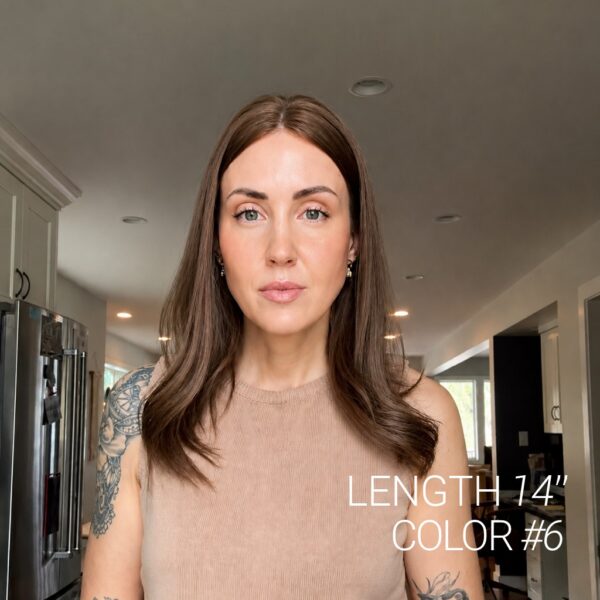
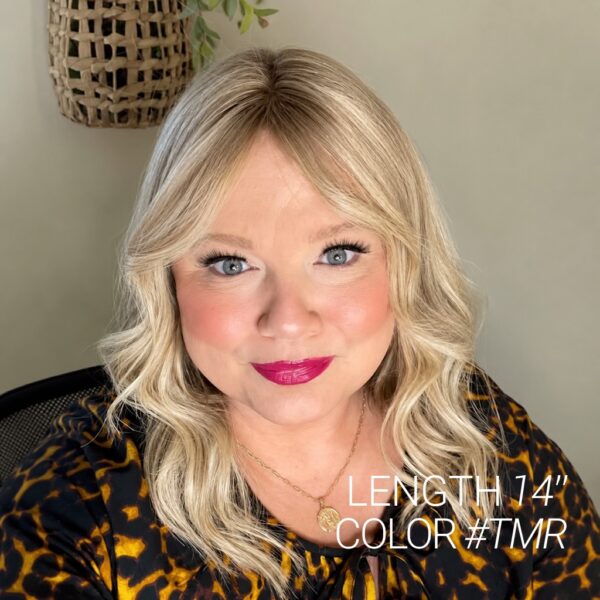
Stylist Recommendation: For clients just starting to notice thinning at the crown, a small Silk Top topper will deliver the most natural look. As the silk material looks just like a human scalp, your client will be positive to show off her hair part.
2. Progressive Stage (Noticeable Scalp Exposure)
This is the stage many salon clients are in by the time they come looking for help. The scalp is starting to show more clearly across the top or crown, and styling tricks are not doing the job anymore.
Coverage needed: Larger coverage for the crown and front Suggested base size: Around 5″ x 5″ to 7″ x 7″
This is usually where stylists need to think more carefully about both the size and the base type for perfect blending. Most clients want something they can rely on regularly, not just something that looks good for an hour.
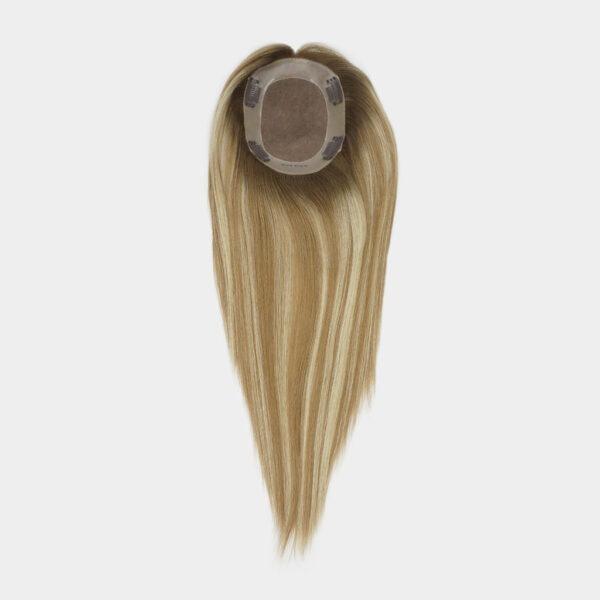
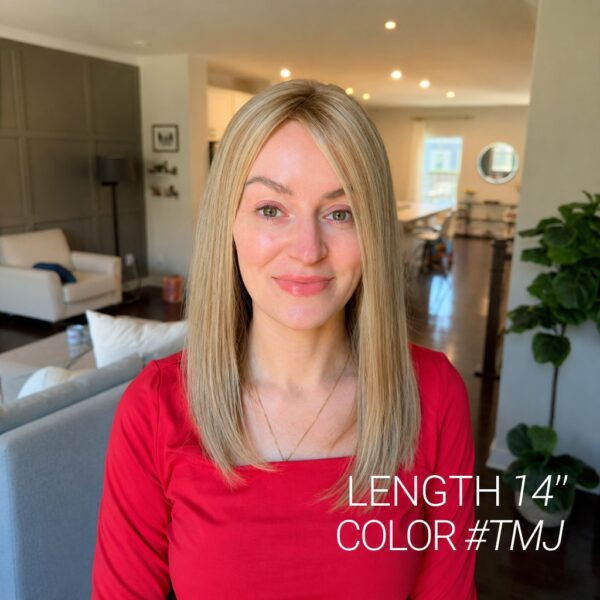
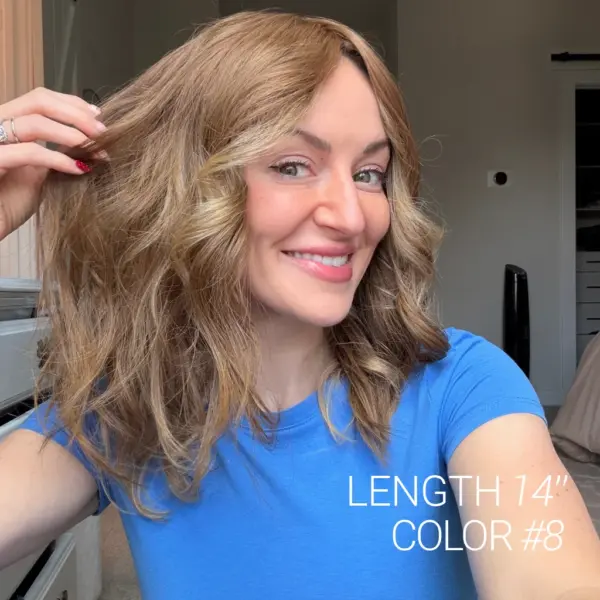
Stylist Recommendation: This size fits most salon clients. A Monofilament (Mono) /lace base is preferred here for its durability and breathability during daily wear.
3. Advanced Stage (Extensive Hair Loss)
When the hair loss stretches further across the top and begins moving toward the temples or side transition areas, a larger topper is usually needed to make the result convincing.
Coverage needed: Full top-of-head coverage Suggested base size: Around 8″ x 8″ to 10″ x 10″
At this stage, it is not just about coverage. It is about stability and proportion. The topper has to sit securely, cover enough area to avoid looking narrow, and still blend into whatever natural hair remains around it.
This is where weak planning shows quickly. A topper that is technically “covering” the area can still look wrong if the proportions are off.
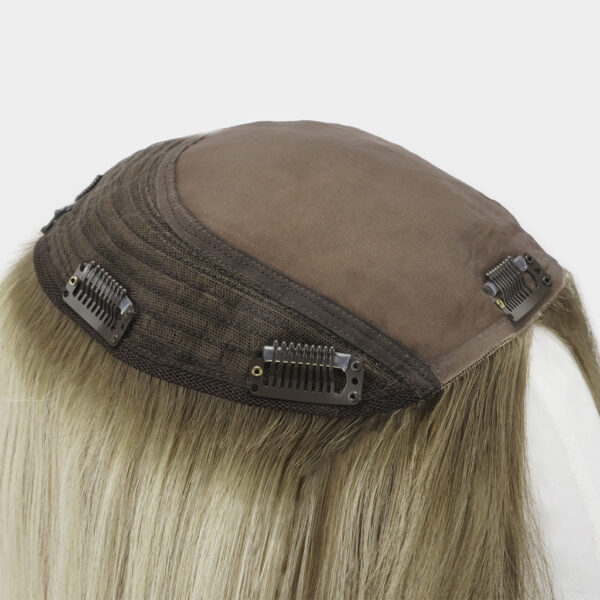
Stylist Recommendation: At this stage, your client needs a “half-wig” or large-base wholesale human hair topper to ensure the clips attach to the stronger hair at the perimeter.
II. Matching Base Type to Client Lifestyle and Aesthetic Goals
Once the size is right, the next question is the base type.
This is the part that often decides whether a topper works beautifully in daily life or becomes something the client never fully gets comfortable wearing.
Base type affects how the “scalp” looks, how breathable the topper feels, how durable it is, and how it behaves once it is actually being worn and styled.
Newtimes Hair offers various base constructions for different professional purposes.
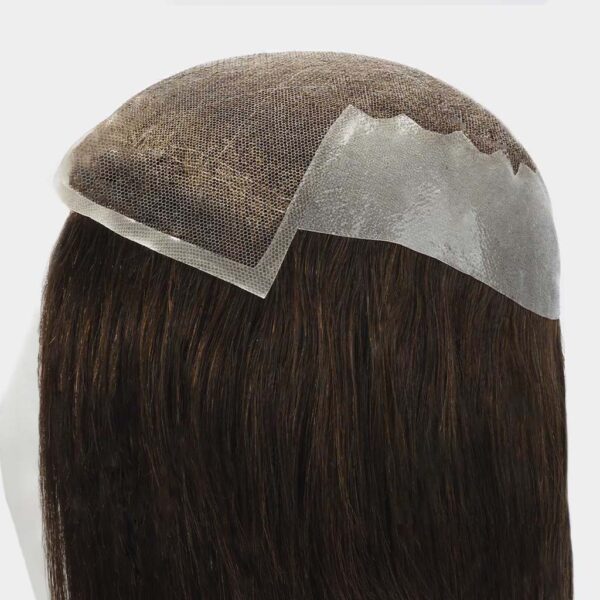
Silk Top
A silk top is usually the choice when scalp realism matters most.
Best for: Clients who want the most natural scalp look Main features: Hidden knots for a scalp-like finish
This is often a good option for clients who part the hair visibly and are likely to notice fine details. It gives a polished, realistic finish and tends to work well when the overall goal is a very natural-looking part line.
Monofilament
Monofilament is a strong everyday option.
Best for: Daily wear and active clients Main features: Durable, breathable construction
This base type is often a safe recommendation for clients who need regular wear and want something dependable. It tends to balance comfort and durability well, which makes it one of the more practical salon-friendly choices.
Lace Base
Lace bases are lighter and softer.
Best for: Lightweight comfort and seamless blending Main feature: Fine lace that sits close to the scalp
This can work well for clients who want something breathable and easy to wear, especially in warmer conditions or when a softer finish matters more than structure.
Skin or Poly Base
Skin or poly bases are often chosen when a smooth scalp effect and secure attachment are priorities.
Best for: Smooth finish and adhesive-friendly wear Main feature: Thin membrane that mimics scalp
This type of base can suit clients who prefer adhesive wear or want a sleek, neat-looking result that feels very controlled.
Quick Reference Table: Best Base Type by Client Need
| Base Type | Best For | Key Benefits | Professional Insight |
| Silk Top | Maximum Realism | Hidden knots; hair looks like it grows from the scalp. | The “Gold Standard” for high-end boutique clients. |
| Monofilament | Durability & Airflow | Hand-tied mesh that is strong and breathable. | Best for “all-day” comfort and ideal for active clients. |
| Lace Base | Seamless Hairlines | Ultra-thin lace that disappears on the skin. | Perfect for off-the-face styling and summer wear. |
| Skin/Poly | Adhesive Attachment | A thin membrane that mimics skin. | Ideal for clients who prefer medical-grade tape over clips. |
III. How to Blend a Human Hair Topper Naturally
Even when the topper itself is right, the final result can still fall apart if the blending is poor.
That is why this part matters so much.
A well-fitted topper should stop looking like a separate item and start looking like it belongs to the client’s own style. That does not happen by accident.
To make a professional human hair topper match perfectly, follow these integration steps:
Follow the One-Inch Rule
Stylists usually follow this: the topper base should reach about one inch beyond the thinning area. This helps avoid clipping into weak hair and gives the topper a more stable placement zone.
It sounds simple, but it saves a lot of avoidable fitting mistakes.
Match Density Carefully
Density is one of the first things people notice, even if they do not know they are noticing it.
If the topper is too dense, it can sit on top of the client’s own hair instead of blending into it. If it is too light, it may not create enough correction to make the fitting worthwhile.
Most Newtimes Hair toppers come in natural densities (110%-130%). You can use thinning shears to customize the topper density to match the client’s natural hair density.
Match Colour and Tone, Not Just Shade
A close colour match is not always enough.
Stylists should also look at:
- warmth or coolness of tone
- root depth
- lowlights or highlights
- how the hair reads in natural light
A topper can be the “right” shade and still look wrong if the tone is off. Sometimes what makes the result believable is not the original colour but the salon finishing after it arrives.
Try ordering a topper that matches the client’s root color. Then, you can always perform a “root smudge” on a human hair topper to create a perfect transition.
Cut the Topper Into the Existing Style
This is where a lot of salon-quality results are won or lost.
A topper should never look like something placed on top after everything else is done. It should be cut into the final hairstyle so it moves and sits as it belongs there.
Layers, bob shapes, soft blow-dries, everyday volume — whatever the client’s look is, the topper has to be part of that look, not separate from it.
Common Mistakes Stylists Should Avoid
Here are some of the most common mistakes stylists make. And you, after reading this part, can avoid it.
Choosing the base by size alone
A topper may technically cover the area and still be completely wrong if the construction does not suit the client’s routine or comfort needs.
Ignoring density balance
Too much density is just as risky as too little. Natural-looking results usually come from proportion, not excess.
Matching by shade code only
Color rings help, but tone, depth, and finishing work still matter.
Skipping lifestyle questions
A client wearing a topper every day needs a different recommendation from someone who wants occasional wear for confidence or special events.
What Salon Professionals Should Look for in a Topper Supplier
A good supplier should make the stylist’s job easier, not harder.
In practice, that usually means:
- Consistent hair quality — The hair should feel reliable from order to order, with a natural look, soft texture, and predictable performance to keep clients coming back.
- Dependable base construction — The base should be well-made, secure, and comfortable enough to hold up properly during fitting, cutting, and daily wear.
- Useful size options — A good range of base sizes helps stylists match different stages of hair loss more accurately instead of forcing one solution onto every client.
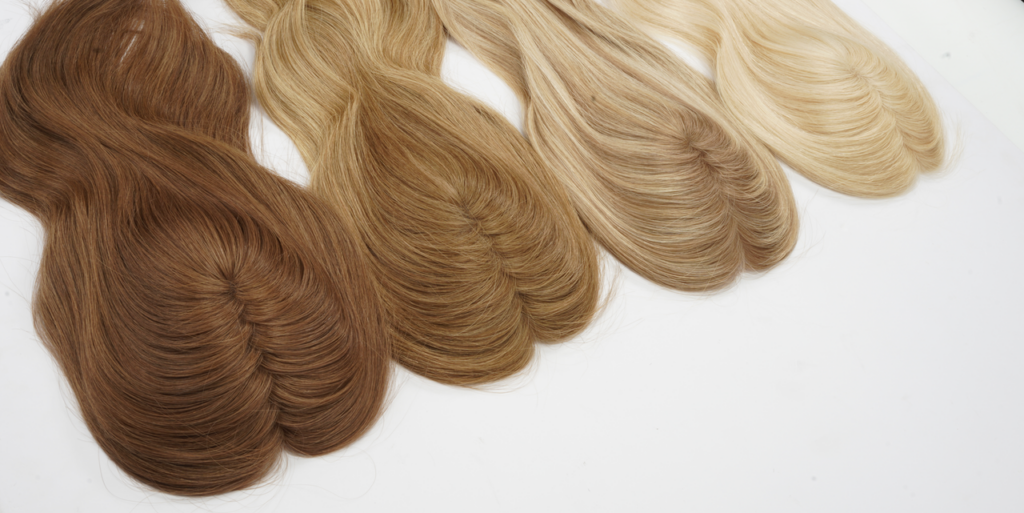
- Realistic colour range — The supplier should offer shades and tones that make natural matching easier, including options with depth, dimension, and realistic root effects where needed.
- Support for professional matching — Stylists need clear product information and practical support so they can choose the right topper for the client, not just guess from photos.
Stylists need pieces that behave properly in real appointments, not just products that look good in a photo.
What Makes Newtimes Hair a Practical Option for Salon Buyers
For salon professionals, the value of a topper supplier usually comes down to consistency, hair quality, and how well the pieces perform in real appointments. Newtimes Hair is often chosen for:
- 100% Remy human hair — for a more natural feel and look, your clients can rely on.
- Hand-crafted bases — to support better fitting, styling, and blending.
- Flexible wholesale pricing — to help salons offer more options across different client budgets and maximize your margin.
Final Thoughts
Matching the best human hair topper for a salon client comes down to reading the full picture properly. The visible thinning is part of it, but so are comfort, routine, realism, and the way the topper will behave once it is actually worn.
In most cases, the best results come from getting four things right:
- the correct base size
- the correct base type
- realistic density and colour matching
- a proper integration cut
When those things line up, the topper stops feeling like an add-on and starts feeling like part of the client’s own hair again.
That is usually what makes the difference.
Explore the Full Collection:
Check out Newtimes Hair’s Wholesale Human Hair Toppers here.
Would you like a specialized quotation for your salon?